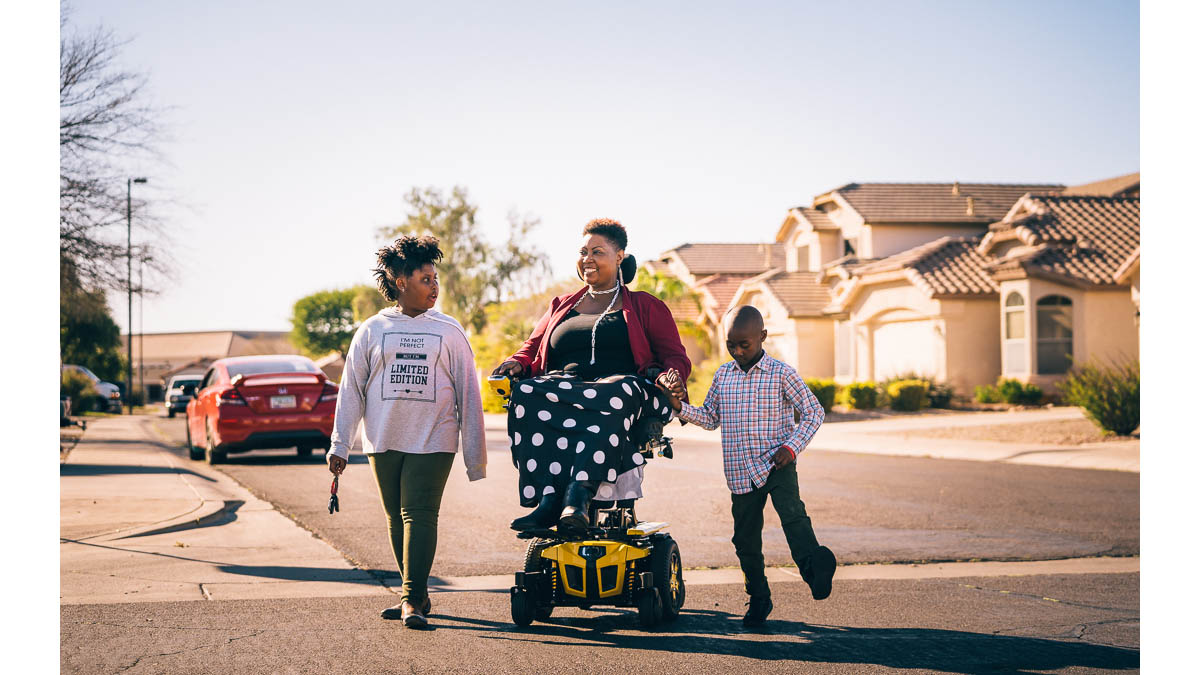
How I Clean with My Quantum Rehab Wheelchair

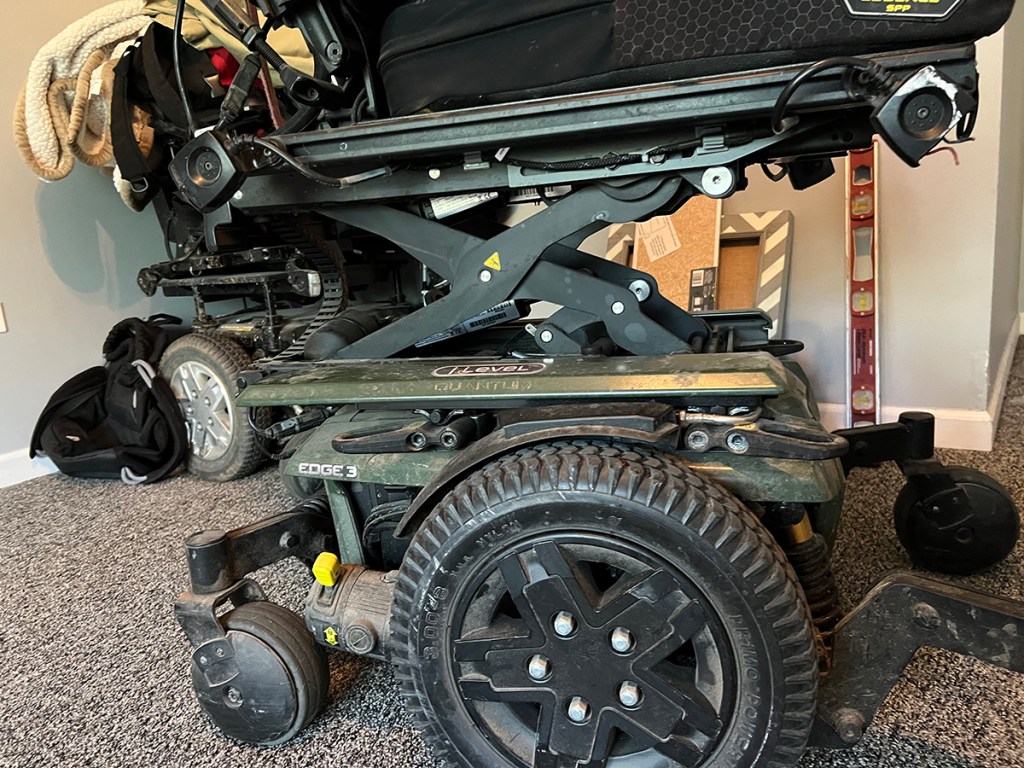
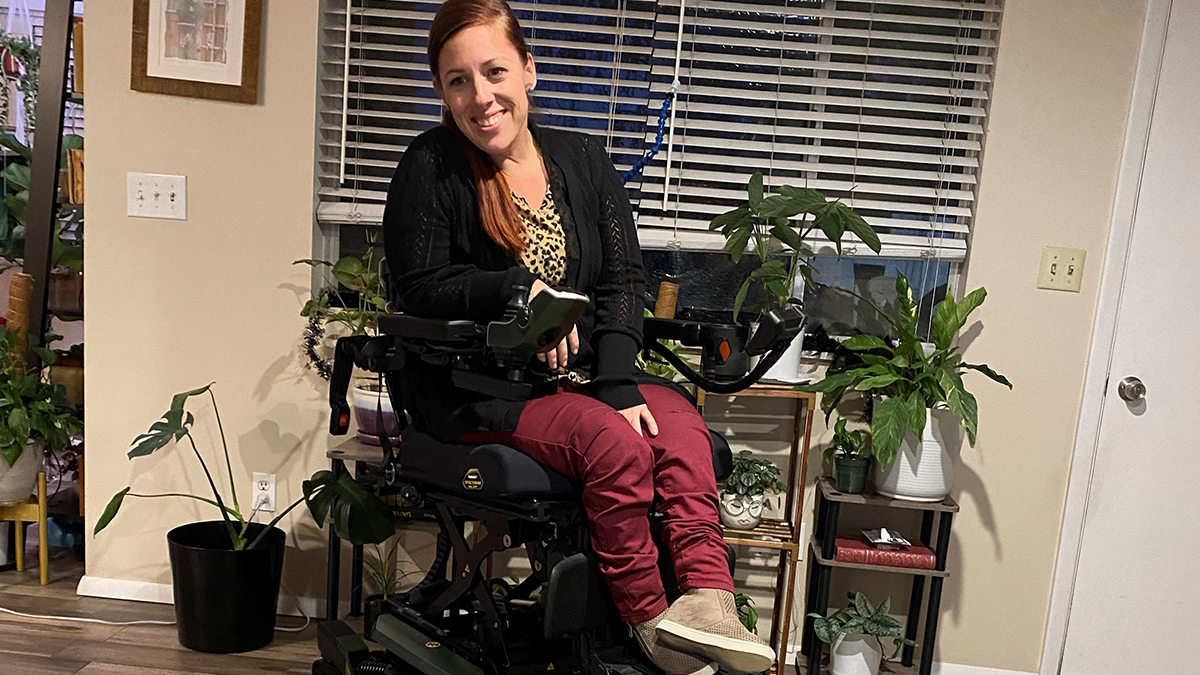
I have begun to gather my cleaning tools and formulate my plan to get the homestead prepared for the fall with its barrage of holidays, guests and visiting family members. I am a little limited on what I can handle since I rely heavily on my Edge® 3 Power Chair with iLevel® technology to move through life. Luckily, due to some of the features on my Quantum Rehab Wheelchair, I can still help my hubby to get all the chores done.

My To-Do List

My list includes dusting, washing walls, baseboards and door frames; cleaning all the custom blinds on the almost twenty windows; cleaning the windowsills and window screens; cleaning behind and under all the heavy appliances. Removing expired medications, creams, and ointments in all the medicine cabinets. Not to mention, rotating the wardrobe for the kids and my husband. We live in a very warm climate and most of the year is temperate to hot. In the fall and winter months, however, longer sleeves, light jackets, and some heavier fabrics are essential.

Reaching with My Quantum Rehab Wheelchair
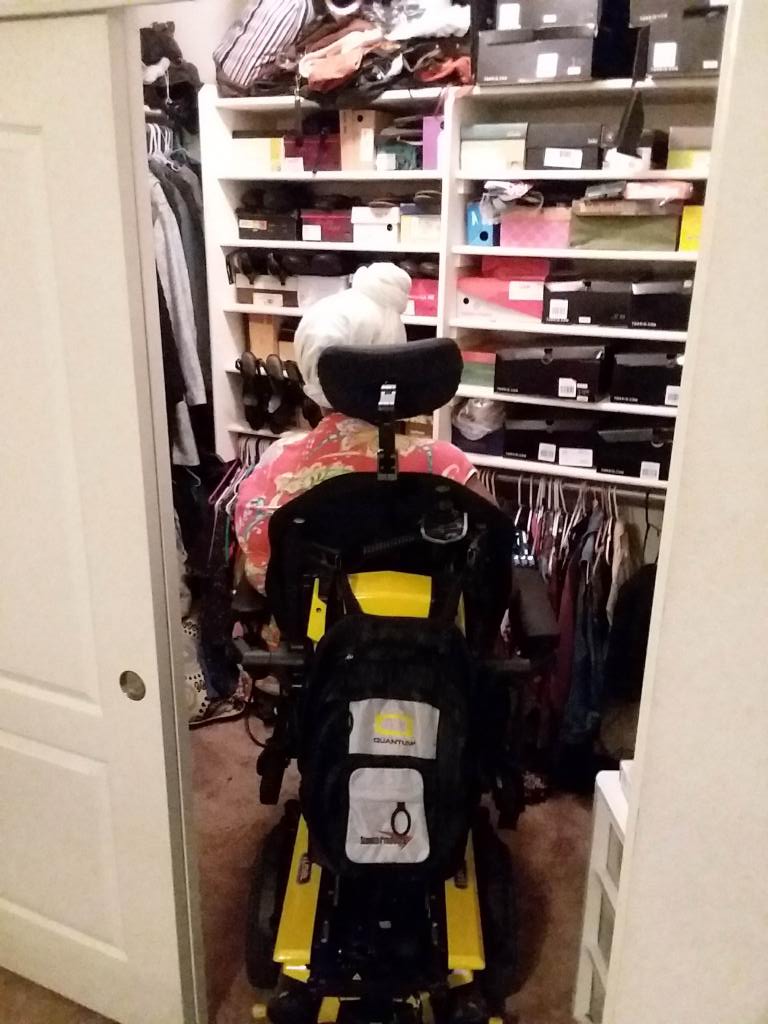
Quantum Rehab Wheelchair with iLevel

When doing chores around the house, reaching is important. Because I can adjust the height on my Quantum Rehab Wheelchair, up to 12 inches. The wheelchair is functional and stable even at maximum height. I can get into every drawer, many shelves and access almost any space.

I love the fact that my Edge 3 assists me reaching the top drawers on the dresser and most of the shelves in everyone’s closet. I can get most of the clothing items down from the closet rod if they are not too heavy.

Holding Things While Driving My Power Chair

My husband is the heavy lifter in the family. Although I can’t help with moving heavy appliances, I can drive my power chair with one hand and use a push broom with the other to sweep away the accumulated dust and small kids’ toys that end up under the washing machine or fridge. The front fender lights on my wheelchair also come in handy to help me get every speck of grime!

I am still learning how to use the features on my Edge 3. I’m sure there will be more benefits that come to light in the future. Still, my all-time favorite feature is iLevel!

About Merlisha Henderson: Merlisha uses an Edge 3 Power Wheelchair for mobility and lives in Arizona with her family. As a wife, mother and disability advocate in her community, she stays active and independent, working toward bringing equality and access to all. Click here to learn more about Merlisha.


For more great blogs from our brand ambassadors and Q Roll Models, visit lifeatilevel.com today!

Return to the Life At iLevel page

Return to Lifestyle
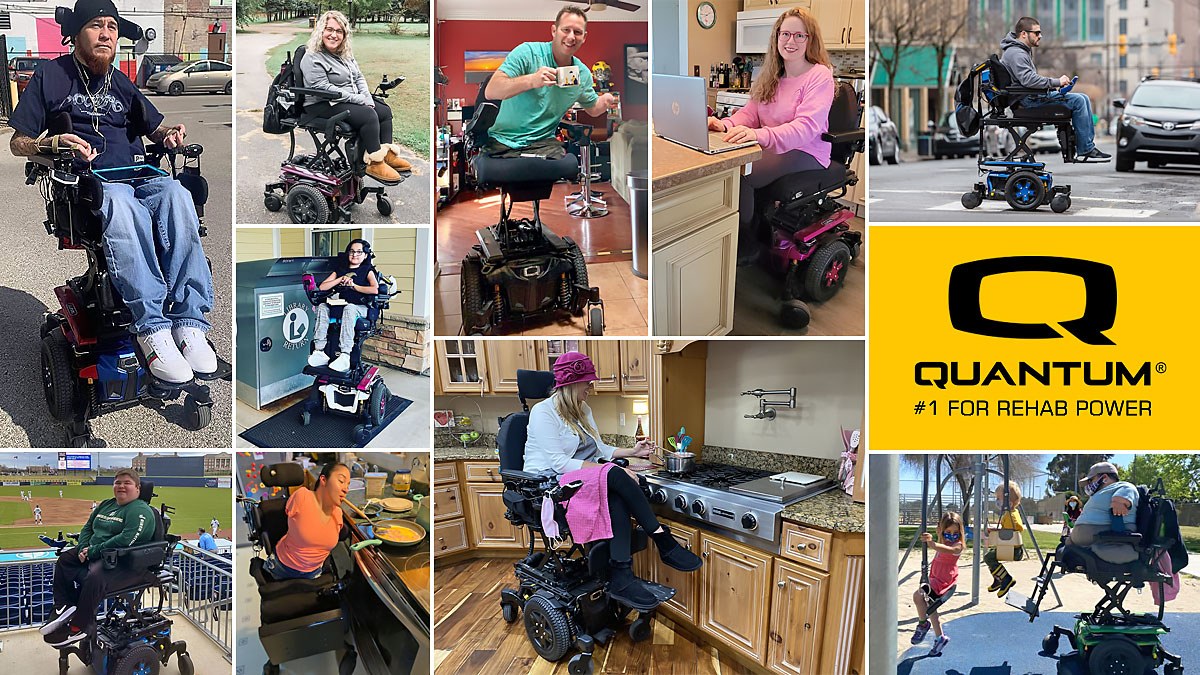
Living Life with a Spinal Cord Injury

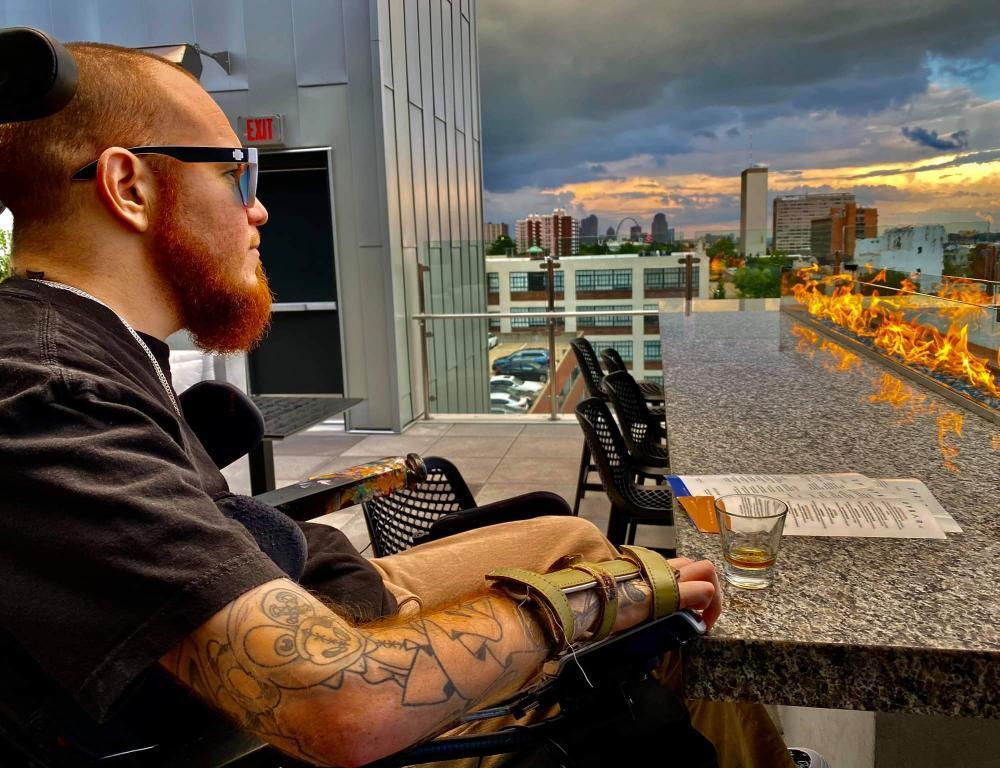
Jesse Cuellar uses an Quantum Rehab Wheelchair

This September, let’s celebrate National Spinal Cord Injury Awareness Month! A spinal cord injury (SCI) is a life altering condition that significantly impacts individuals and families. With an SCI, a patient sustains damage to the spinal cord that results in a loss of function, movement and/or feeling. There are two types of spinal cord injuries: complete and incomplete. The spinal cord does not have to be severed for a loss of function to occur. Often, the cord is intact, but damage leads to a loss of function.

In this heartfelt interview, Paul Amadeus Lane and Jesse Cuellar discuss his spinal cord injury and how his graffiti and art saved his life.

Statistics on Spinal Cord Injuries

According to the United Spinal Association, approximately 17,700 Americans acquire a spinal cord injury every year. Roughly 78 percent of those are men, and their average age is 43. Most spinal cord injuries happen as a result of a vehicle accident, about 39.3 percent. Falls are another cause, approximately 31.8 percent. About 13.2 percent is due to violence and 4.3 percent is caused by medical/surgery complications.

Life After SCI with a Quantum Rehab Wheelchair

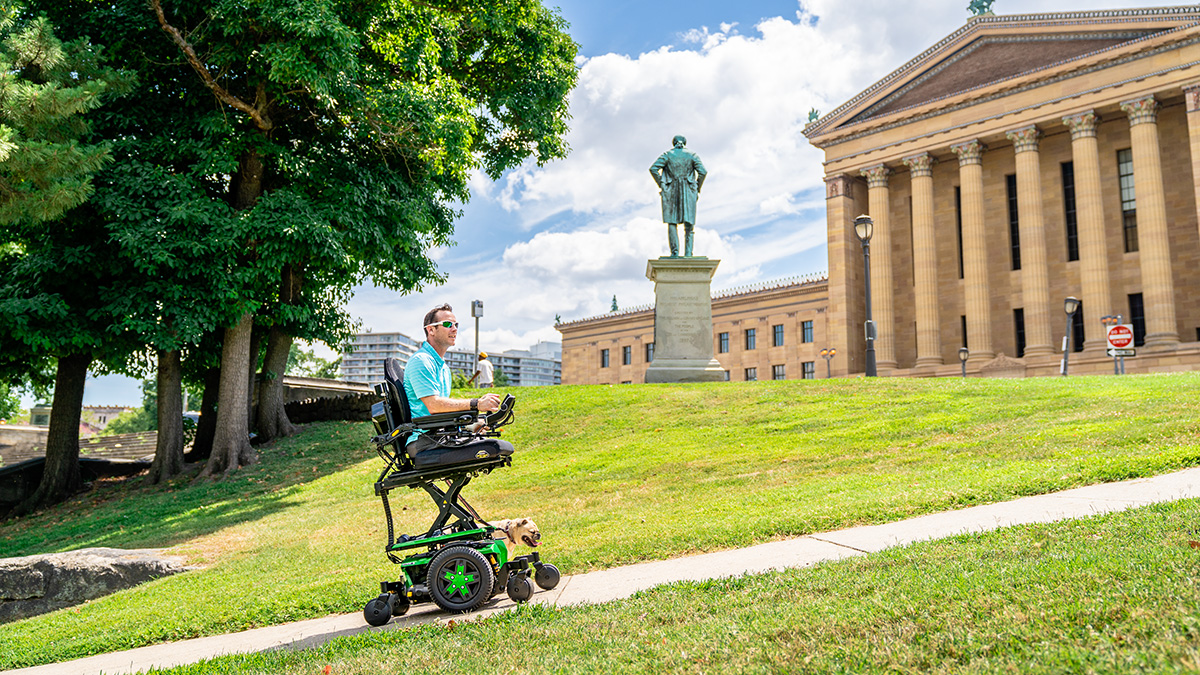
Today, individuals who become paralyzed or sustain a spinal cord injury are fortunate to have access to power wheelchairs and complex rehab technology. A Quantum Rehab wheelchair is customized with different seating and positioning components, as well as electronics to meet the needs of those living with a spinal cord injury. The Edge 3 and Stretto Power Chairs are compatible with optional iLevel® technology, which allows users to elevate up to 12 inches and drive while elevated. iLevel assists individuals with completing activities of daily living, such as cooking, grooming, toileting and transferring.

Mobility equipment, such as a Quantum Rehab Wheelchair, allows SCI patients to live independently in their homes. It enables people to dance, compete and perform as athletes. Thanks to complex rehab, those living with SCI can determine how to live their lives, to push forward and to enjoy each day.

Resources for SCI Patients

There are thousands of groups and organizations throughout the country that help people navigate their spinal cord injury and live their lives the way they choose. You can have a job, live in your community and have a family, all while living with a spinal cord injury. Advancements in medicine, technology, equipment, employment, laws and housing have afforded people with spinal cord injuries greater opportunities to choose a better future, post injury.

If you’ve recently been diagnosed with a spinal cord injury, there are many organizations and resources available to you. Here are some websites to help you as you begin to explore your options living with SCI.


Return to Health and Wellness

Return to Lifestyle

Tell Medicare How iLevel Makes a Difference in Your Life

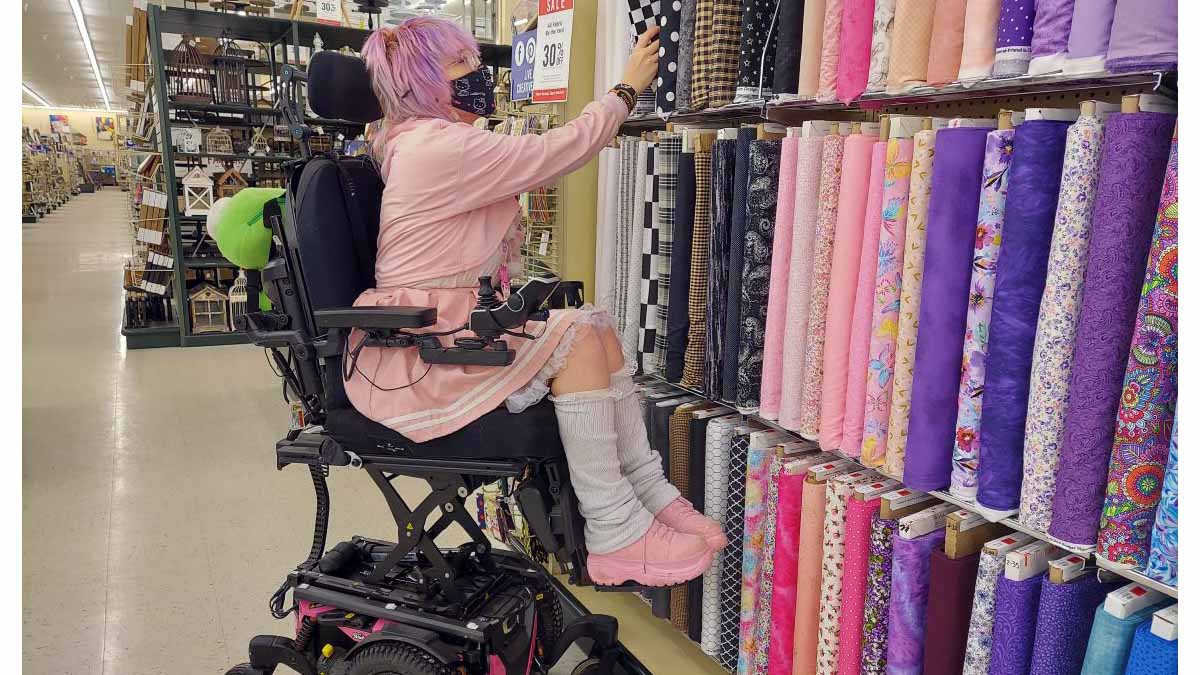
I have been talking about my Stretto Power Chair with iLevel® technology a lot, and there is a super good reason for that. CMS is having an open comment period about whether they should cover iLevel. While I tend to talk about and show off the iLevel feature on my Stretto Power Wheelchair a lot, I think that now more than ever, its importance and role in my life (and many others) needs to be stressed. In this blog, I will focus on how iLevel helps me in my home.

Before using iLevel, I was very restricted within my home environment in terms of what I could do unassisted. There are many places in my house that I could not access: many shelves, cabinets, and even our microwave. Heck, our TV is mounted to our living room wall and I couldn’t even reach the power button. It’s not even placed that high on the wall! While the TV thing is a bit more of a recreational activity, the other inaccessible places are more vital to my overall wellbeing.

Accessing Items in My Kitchen

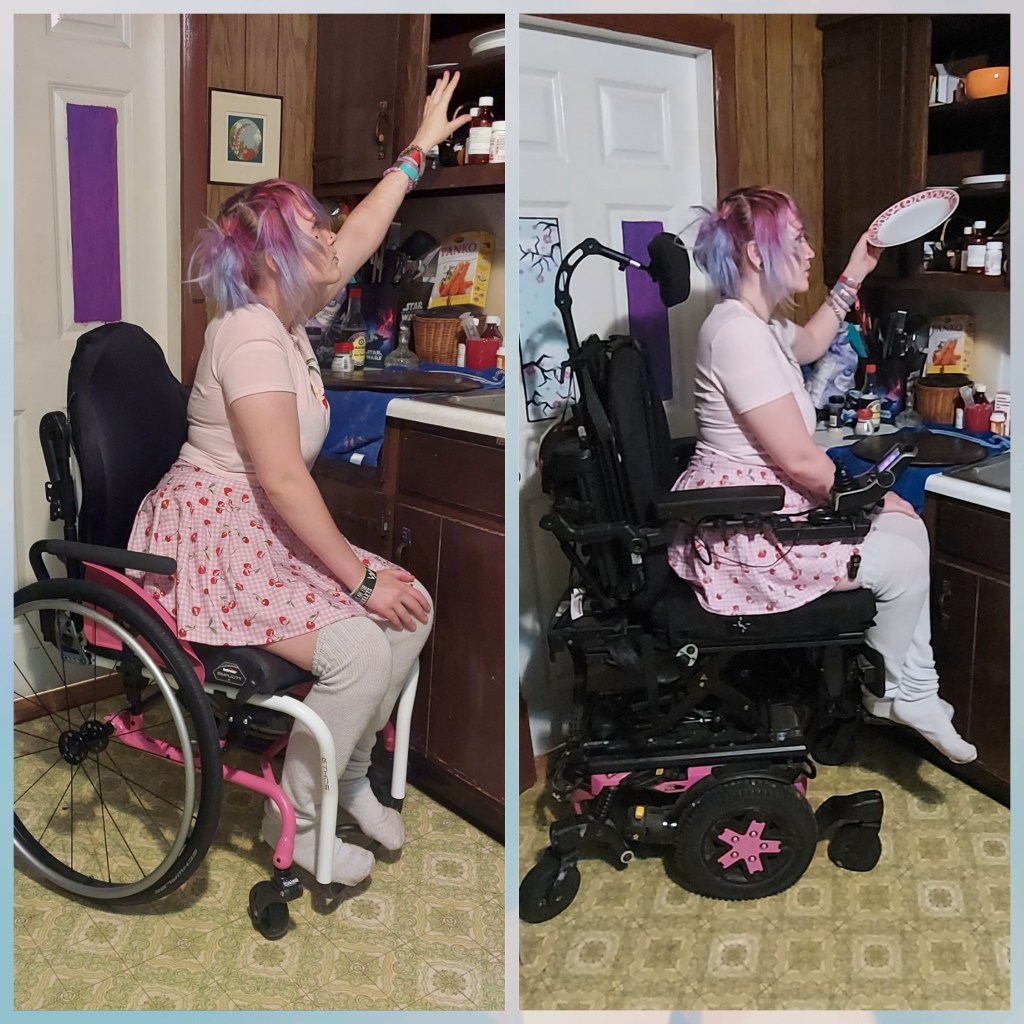
Everyone’s kitchen is important. It’s where food is stored and cooked, where dishes are cleaned and stored. You can usually find a microwave if you wanted to heat something up quickly. Before iLevel, utilizing these amenities and doing basic cleaning was rough. I have chronic Orthostatic Hypotension, which basically means my blood pressure tends to run low when I am in a straight upright position. Trying to reach even just the bottom of one of our wall cabinets, with my arm reaching over my head while my body stretches to reach, often resulted in me dismounting my wheelchair to lie on the floor. iLevel allows me to reach what I need with minimal effort.

Cooking on the Stove

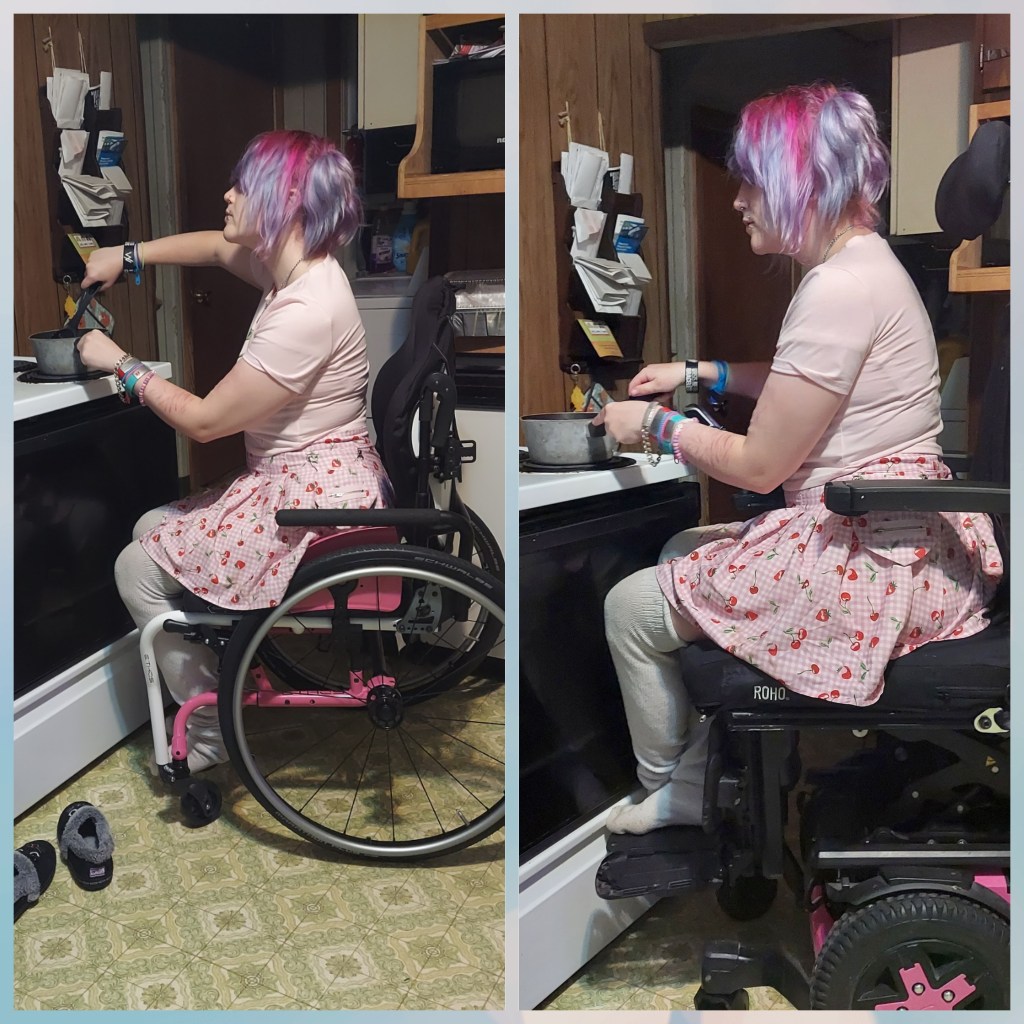
iLevel power adjustable seat height has been especially useful when cooking on my stove. Trying to cook something on the stove top that needs constant attention, while remaining in a regular height seated position, was awkward and uncomfortable. My arms pretty much jut out to the sides, while my elbows have to point slightly up over whatever I am doing. It’s painful, to say the least. Thanks to iLevel, I don’t have to strain to see what I’m doing when cooking, making the activity much more enjoyable.

Reaching My Medicine Cabinet

Within my kitchen also lies our medicine cabinet. Well, more like a shelf in one of our wall cabinets. While it’s still on a bottom shelf, reaching it from a seated position is hard. I constantly utilize the tilt function on my power wheelchair to help regulate my body. Sometimes, I just can’t go from being tilted to an immediate sharp/stretched upright position. Plus, my partner works an 8-5 job and isn’t home during the day. I need to take my meds at three intervals during the day, two times when they are not home. Before iLevel, I would have to skip doses of my medicine because I was unable to independently access the medicine cabinet. Now, I can access my medicine independently and can take every dose.

While I do love showing off my Stretto with iLevel and making funny jokes about how I drive a lifted pink truck everywhere, iLevel power adjustable seat height is a very important and vital tool to help power wheelchair users like me live a more independent and comfortable life, especially within one’s own home.

Please go to rise4access.org to leave a comment for CMS about how iLevel technology makes a difference in your life.

About Chrysanthemum: Chrysanthemum is an award-winning cosplayer and Quantum brand ambassador. She enjoys fashion, cosplay and music and has a TikTok channel with over 380,000 followers. Click here to learn more about Chrysanthemum.


For more great blogs from our brand ambassadors and Q Roll Models, visit lifeatilevel.com today!

Return to the Life At iLevel page

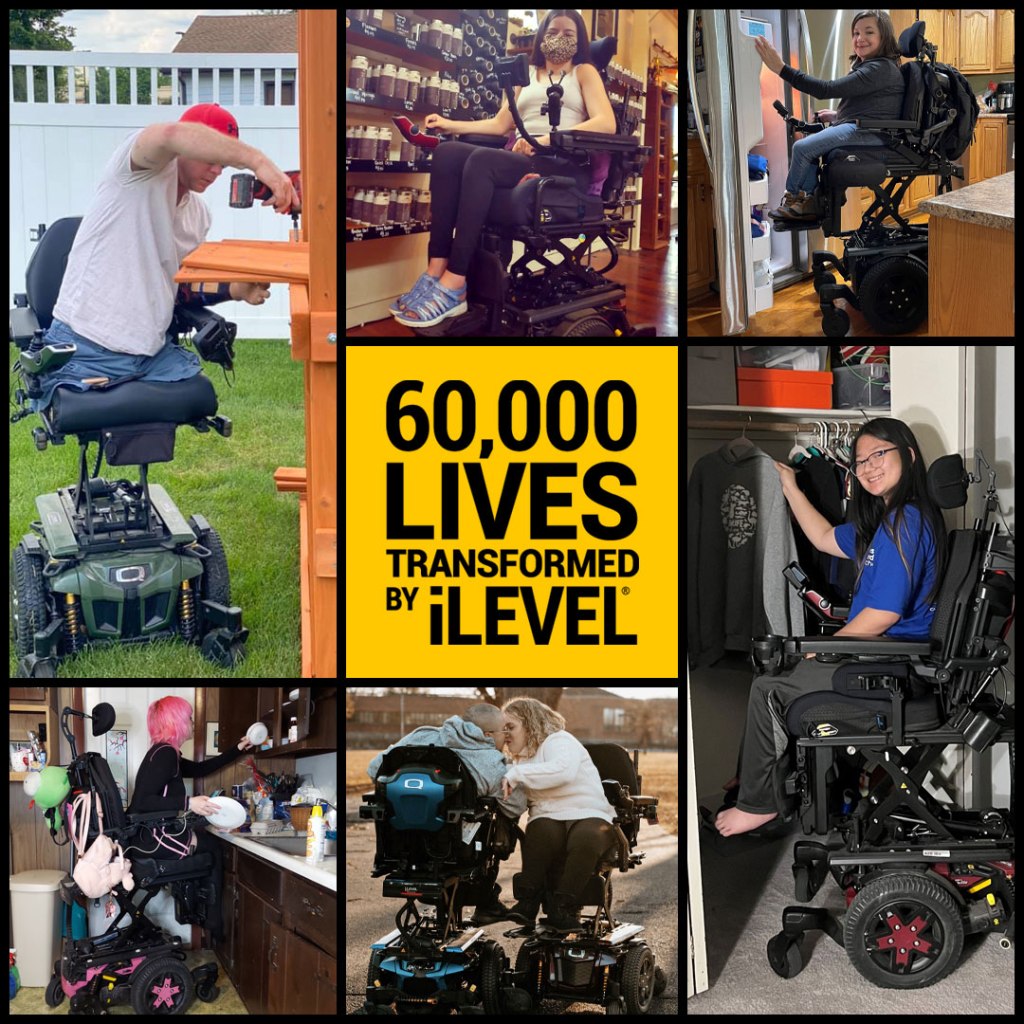
60,000 Lives Transformed by iLevel®

iLevel® seat elevation technology by Quantum Rehab® reached a landmark today as power chair number 60,000 was built with iLevel.

Released in 2015, iLevel is a power seat elevating system that promotes independence and social inclusion. As iLevel elevates, the power base reinforces stability electronically and mechanically to ensure safety at 12 inches of elevation while driving up to 4.5 mph, an industry first! iLevel’s patented Extra Stability Technology® enhances safety for transfers, reach and numerous other activities of daily living.

Return to News

Tips on Navigating College Life for Quantum Rehab Wheelchair Users

A college education is hard to achieve. It’s even harder for the Disability Community. Factors that play into our academic success like class-to-class transportation, accommodations and classroom accessibility are often overlooked by the college. As a second-year student, I have encountered many of these problems. Below are some tips on how to navigate your college campus and find accommodations.

Disabled Student Services

Talking to Disabled Student Services (DSS) can be daunting at first, but you will benefit from their resources. Because colleges don’t have an equivalent to a 504 plan or IEP, you must advocate for your own accommodations. DSS is there to help. Not only do they help advocate for accommodations, but many also offer peer-mentoring and academic support programs. If you are starting the college application process, research what the college’s DSS program looks like. Many DSS programs will show up on a search engine if you enter the college’s name and “Disabled Student Services.” You can also reach out to the admissions staff and ask for more information.

College Campus Tours

College campuses are notorious for their size. Every incoming freshman gets lost at least a few times during their first semester (from personal experience). The main office or student center will offer tours to new students and those who are interested in applying. If you are either of those, definitely take advantage of tours. Not only will it give you an inside look, but you can also examine the accessibility of the campus. If you are specifically looking for accessible entrances and other accommodations, ask for a tour from Disabled Student Services. They can answer accessibility-related questions better than a general tour guide.

Plan Your Transportation Route

After you tour the campus, the next step is to plan your route. This will help minimize stress and confusion. I recommend writing down each class and the corresponding building. Then, plan a timeline that includes when you should leave your dorm, how you will get to campus (car, walking, public transportation, etc.), and an outline of your class-to-class route. Familiarize yourself with this routine and keep a hard copy of a campus map in your backpack.

Battery Life and Outlets for Quantum Rehab Wheelchairs

light inside library
Photo by Janko Ferlic on Pexels.com

On a campus map, mark the location of charging outlets that will work with your mobility aid. As a power wheelchair user, I always rely on study areas like the library or common area to have accessible outlets for my chair charger. This allows me to charge my Quantum Rehab Wheelchair in between classes. Running out of battery in between classes is not fun. Ask your Disabled Student Services staff if they can help you advocate to not be marked absent in the event your mobility aid dies, although you should always try to plan ahead.

About Riley Hurt: Riley lives in Salem, Oregon, and uses a Stretto Power Wheelchair for mobility. Riley is enrolled in college, pursuing electrical and computer engineering. She hopes to make her future field more inclusive for people with disabilities. Click here to learn more about Riley.


For more great blogs from our brand ambassadors and Q Roll Models, visit lifeatilevel.com today!

Return to the Life At iLevel page

Return to Lifestyle page
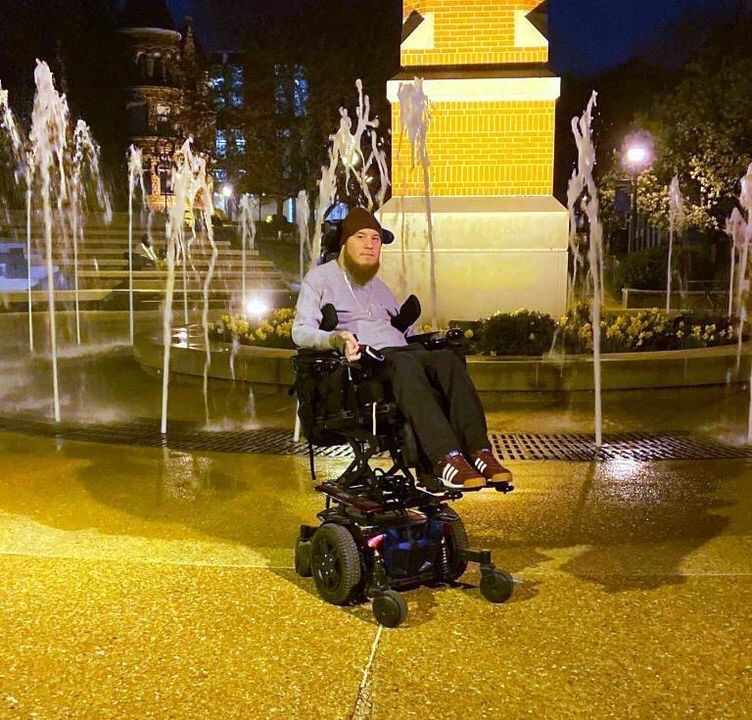
My Quantum Power Wheelchair is a Great Tool

I often get asked about the differences between using a manual wheelchair compared to using a power chair. I use both very frequently. So, here are the benefits of each and how my Quantum Power Wheelchair serves as a tool.

The Benefits of a Manual Wheelchair When I Travel

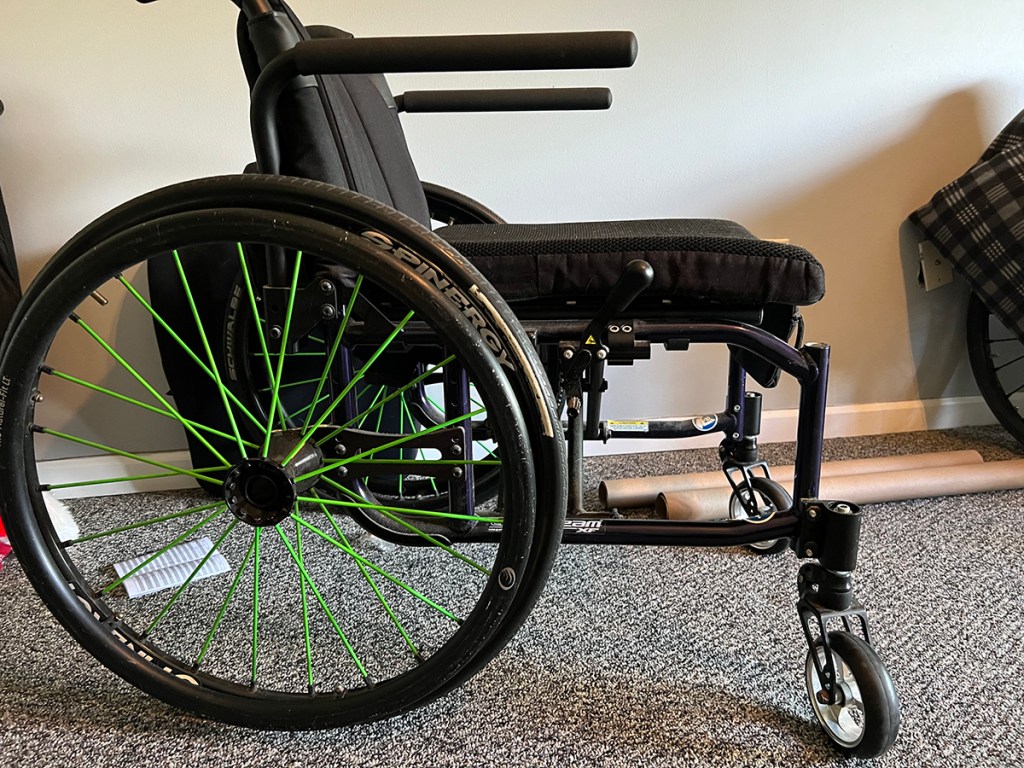
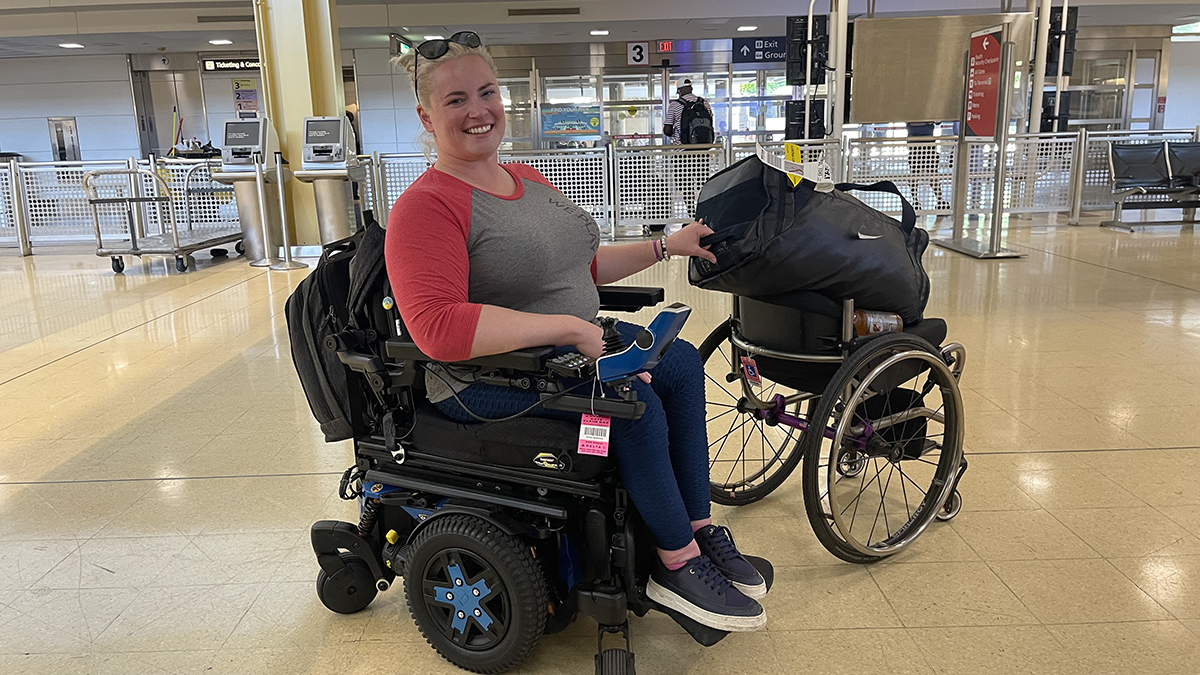
When I need to travel, it’s so much simpler to use a manual wheelchair. A manual wheelchair is lighter, so the process of loading and unloading to and from the airplane by airline staff goes much smoother. There is definitely less risk of damage to occur with a manual wheelchair over a power wheelchair. When I use a taxi service or rideshare like Uber, it’s easier for the driver to load and unload the chair from the vehicle.

While there are perks to using a manual wheelchair, there are drawbacks. I only have one good hand, so it’s tough to hold things and push my manual chair. I feel a bit hindered. So, if I need to do things around my house, such as taking out the trash or carrying stuff, it’s more challenging. That’s why my Quantum Rehab Wheelchair makes those tasks so much easier.

Using My Quantum Rehab Wheelchair at Home

My Quantum Rehab Wheelchair is an Edge® 3 with iLevel® technology. I can elevate the seat on my wheelchair, up to 12 inches, which is great for cooking and reaching stuff in my refrigerator and cabinets. iLevel makes taking out the trash much simpler and easier. My power chair allows me to have total independence, so I can live alone. It’s freeing!

So, while my manual wheelchair does offer some flexibility when traveling, I have greater independence when I use my power chair.

How My Quantum Power Wheelchair is a Tool

The Quantum Rehab Power Wheelchair, Edge 3

The first thing I learned about being in a wheelchair is that your life becomes different. This is not necessarily a bad thing. I learned to look at things or situations and think about how I will accomplish something or what can I use to help me achieve a goal. My power chair is an important tool that helps me do things, and I’m not just talking about iLevel.

Here’s an example. When I go shopping with family or friends and there are a lot of bags or heavy stuff to bring in, I let them load me up like I’m a wheelbarrow. I can put heavy boxes in my lap and drive my power chair to where the boxes need to go. So, even as a wheelchair user, I can still help and be helpful to others.

About Bryan Anderson: Bryan grew up and resides in Illinois. Injured by an IED in October 2005, Bryan is one of the few triple amputees to survive his injuries in Iraq. He is an ambassador for the Gary Sinise Foundation and a spokesperson for USA Cares, which is focused on assisting post 9-11 veterans. Click here to learn more about Bryan.

For more great blogs from our brand ambassadors and Q Roll Models, visit lifeatilevel.com today!

Return to the Life At iLevel page

NCART/NRRTS 2022 CRT Virtual Congressional Fly-In

Participate in the NCART/NRRTS 2022 CRT Virtual Congressional Fly-In on Sept. 14! This annual event allows Complex Rehab Technology suppliers, manufacturers, clinicians, consumers, and others to meet directly with their members of Congress via Zoom video conferencing to discuss actions that must be taken to protect access to CRT for people with disabilities. This year there is a significant focus on increasing awareness and support for Medicare to cover power seat elevation systems. Join us in supporting this important advocacy event. No-charge registration is available through Sept. 7 at www.crtaccess.com.

Fun Summer Activities and My Quantum Rehab Wheelchair

End of summer. Back to school. Fall. It is hard to believe that time has passed so quickly! I started thinking about all the activities I participated in this summer. I love getting outside and being active. My disability, however, can make certain activities challenging, even when I have my Quantum Rehab Wheelchair. Still, I found ways to adapt activities so I could participate. I had the best time!

Getting Outdoors with My Quantum Rehab Wheelchair

white camping tent
Photo by Vlad Bagacian on Pexels.com

In June, I traveled to California. It was so hot! We flew to Palm Springs and spent most of the time in the pool. I was happy our hotel had a lift into the pool to help me in and out of the water. I would have died in the heat otherwise!

In July, I went camping several times. I have learned how to adapt camping for me. I have a light camping stove and a cot that is high enough for me to transfer into from my 4Front® 2 Quantum Power Wheelchair. My tent is big enough that my power chair can fit inside. I also love that my power chair can get travel over rough terrain.

Adaptive Kayaking

I also went adaptive kayaking. There is a program at one of my favorite lakes that helps people get in and out of the water. They have beach wheelchairs that makes it easy to drive down to the water, so I don’t have to worry about sand getting into my Quantum Rehab Wheelchair and causing damage. The paddles they use are a little lighter, so it makes paddling easier a kayak much easier.

Learning Self Defense

In August, I started taking a self-defense class. I love it! The instructors are great about helping me think of real-life scenarios that work in a power chair. They take the moves that they teach everyone and help me adapt them to the way my body moves and the capabilities I have.

Overall, I am reminded again that my disability does not have to stop me from all the adventures that I want to experience. I can do anything I want! It might look different. But different is okay!

About Kerri Knudson: Kerri lives in Utah with her daughter. She uses a 4Front® 2 Quantum Power Wheelchair and loves exploring the outdoors. Click here to learn more about Kerri.


For more great blogs from our brand ambassadors and Q Roll Models, visit lifeatilevel.com today!

Return to the Life At iLevel page

Accessible Features When Traveling with My Power Chair

This month, I had the pleasure (yes, shockingly, it was a pleasure) of traveling on a plane with my power chair for the first time! I was outlandishly nervous to do so. For someone who travels for my career, this was so wildly out of my wheelhouse that it came across to me as intimidating. I had to get my power chair to the airport and on the plane, and then get to my hotel using the Metro.

Preparing My Power Chair for Travel

Fortunately for me, I know people who are experts in traveling with wheelchairs. They provided me with all sorts of tips and resources. I made a little printed sign with instructions on things such as how to lift the chair and how to put the chair in freewheel so it could be pushed. I also mentioned to not try and fold the chair or rewire anything. This absolutely makes me wonder what other people have experienced in this regard.

Accessible Taxis and Managing My Luggage

On the big day, I loaded myself into a prearranged accessible taxi to head to the airport. I’m fairly certain my driver was terrified on my behalf for how chaotic it was for me to get myself and all of my things into the car. He was probably positive that there was no way I’d be able to carry my luggage and manual wheelchair through an airport to my destination. Kudos to him, however, as he patiently waited for me to get organized and figure things out without trying to step in until I requested an assist. I must have looked like a hot mess!

panning photography of yellow taxi
Photo by Rodolfo Clix on Pexels.com

Accessible Doors at the Airport

I was fascinated by all the accessible features I’d taken for granted. For example, I’ve never actually required an automatic door opener when using my manual chair. Sure, it’s nice to have, but in a pinch, I’d be able to open the door in my manual chair just fine. I found myself getting so frustrated with places that didn’t have the automatic doors as it was so cumbersome and difficult to open a door at times in my power chair.

The Benefits of an Accessible Bathroom

If a bathroom stall is designed to meet bare minimum access, this means that stall is entirely unusable with a power wheelchair. With this different experience, I became strikingly aware of the differences between a space that is simply accessible, versus universally designed and inclusive. I was fascinated, and thought about how I could integrate this concept into my profession and play. It’s such a different experience than what I am used to when operating my manual chair. I can only imagine how different play looks and feels in a motorized wheelchair.

Communicating with Airline Personnel

photo of airplane wing
Photo by Matt Hardy on Pexels.com

Once I arrived at my gate, I spoke to the gate agent, the ramp worker and the flight attendant. Everyone met me and learned how my power wheelchair, a critical piece of equipment, was to travel. When I arrived at my destination, I felt the airline and staff took expert care in returning my chair to me, and it arrived in one piece.  I feel that the trip was successful, thanks to my open communication with the airline staff. This to me was the biggest hurdle, and after having learned how to schlep all of my stuff around, I got my things organized, grabbed a bite to eat and breezed right through the metro to my destination!

About Jill Moore White: Jill is an inclusive play specialist, bringing accessible playgrounds to local communities. She volunteers with disability organizations, including the Disability EmpowHER Network. Jill enjoys music, sketching and playing video games. Click here to learn more about Jill.


For more great blogs from our brand ambassadors and Q Roll Models, visit lifeatilevel.com today!

Return to the Life At iLevel page

Return to Wheelchair Accessible Travel

Great Benefits of Elevation on My Quantum Power Wheelchair

Anyone who knows me, knows how much I love my wheelchairs. My wheelchairs are an integral part of who I am and I would never want to live a single day without them. It’s not just my ability to move at fast speeds and go over all types of terrain that I love about my power chair. I appreciate and rely on the seat elevation technology on my Quantum Power Wheelchair too.

What I Can Do with My Quantum Power Wheelchair

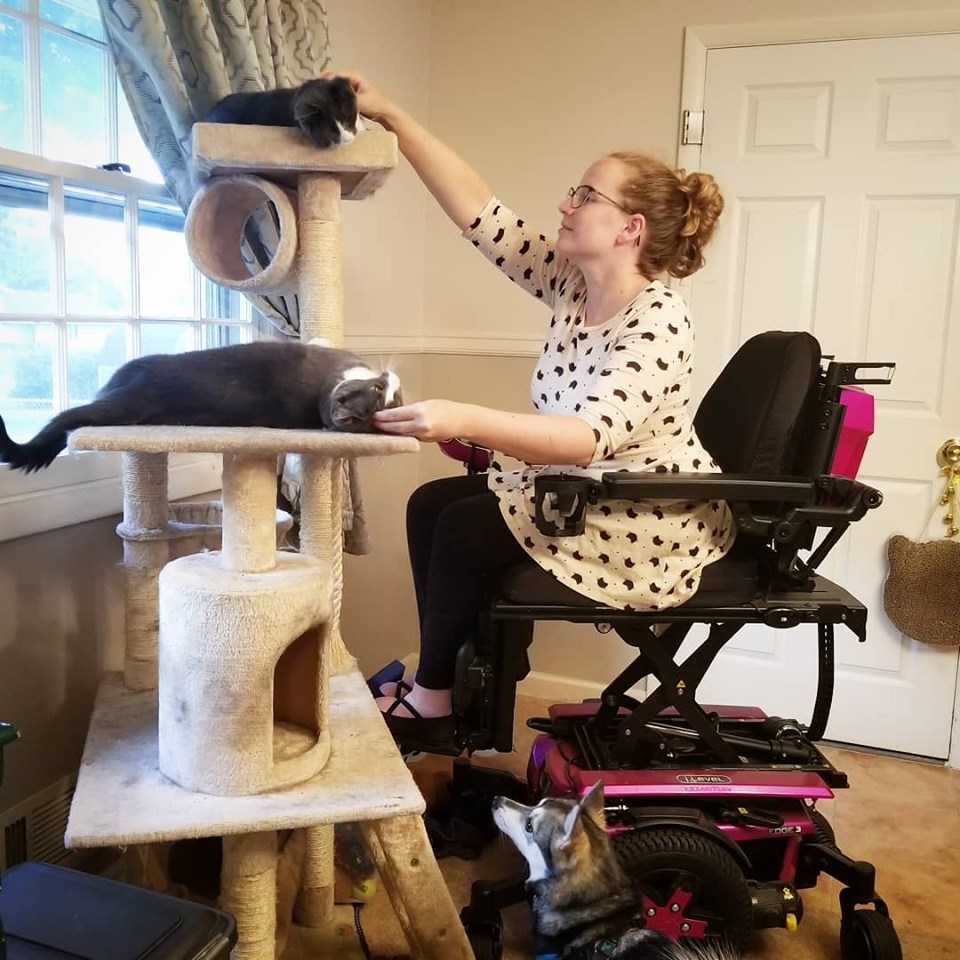
Stephanie uses seat elevation on her Quantum Power Wheelchair to pet her cats.

Having the ability to elevate my wheelchair twelve inches allows me to do approximately a million things that I cannot do at standard wheelchair height. On a daily basis, I use the elevation feature on my Quantum Power Wheelchair to cook, reach the cupboards in my kitchen, reach the top shelf of my fridge, put laundry away, transfer into bed, pet my cats in their cat tree, reach my microwave, brew my coffee, and so much more.

Lack of Access to Power Seat Elevation

Unfortunately, many people do not have access to seat elevation technology because Medicare refuses to cover it. Medicare outright refuses, even if a person NEEDS this technology. This means that I am lucky to have this technology, but others who need it are left without it. You should not have to be lucky to have the wheelchair technology you need! We can change this! Right now, CMS is accepting comments in consideration of covering seat elevation technology.

Submit a Comment in Support of Seat Elevation

If you think this life changing technology should be covered by insurance so that the people who need this technology can access to it, then please submit a comment in support! Anyone can submit a comment! Whether you use a power wheelchair or not, if you think Medicare should cover this technology, your opinion matters! It does not matter if you are a Medicare beneficiary or not. CMS needs to hear from all of us! 

Comment here: https://tinyurl.com/SeatElevation

About Stephanie Woodward: Stephanie is a brand ambassador advisor for Quantum Rehab® and works as a disability rights activist. She has received many awards for helping communities become more accessible, as well as for her actions in fighting for the rights of disabled individuals as it relates to Medicaid and other support services. Click here to learn more about Stephanie.


For more great blogs from our brand ambassadors and Q Roll Models, visit lifeatilevel.com today!

Return to the Life At iLevel page

Return to Wheel Talk