Wheelchair Users Need Access to Seat Elevation Like iLevel

One of the tenants that I live by is a quote by Maya Angelou: “Know better, do better.” I’ve never understood why we hold so tight to our beliefs and outdated ways of doing something when we learn more and have access to new advancements, like technology. With the advancement of wheelchairs, like the widespread use of seat elevation technology, more people have greater access to more of their worlds. To date, however, the distribution of technology hasn’t been evenly distributed.

Insurance Denies Access to Seat Elevation

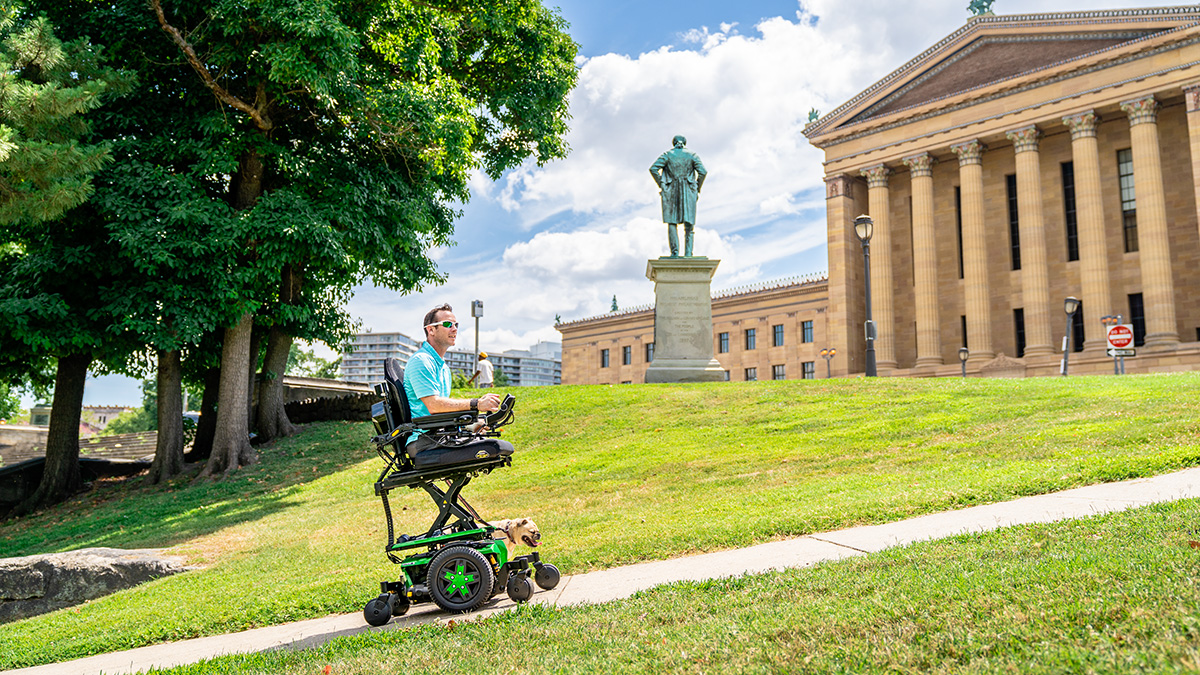
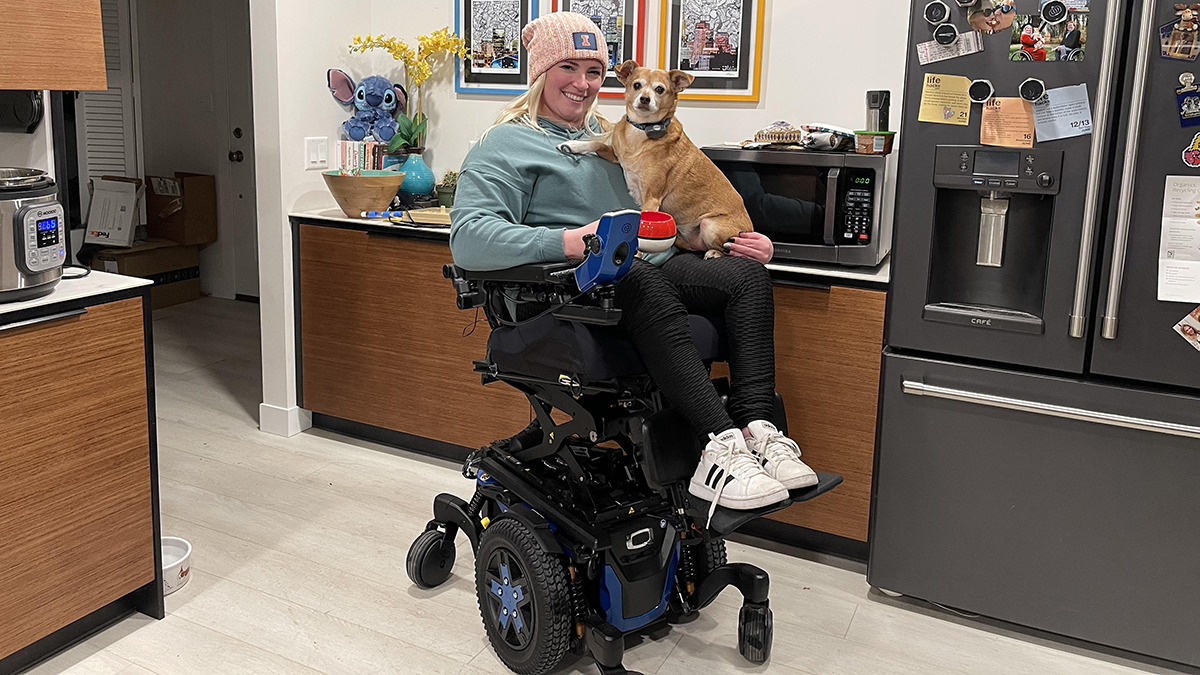
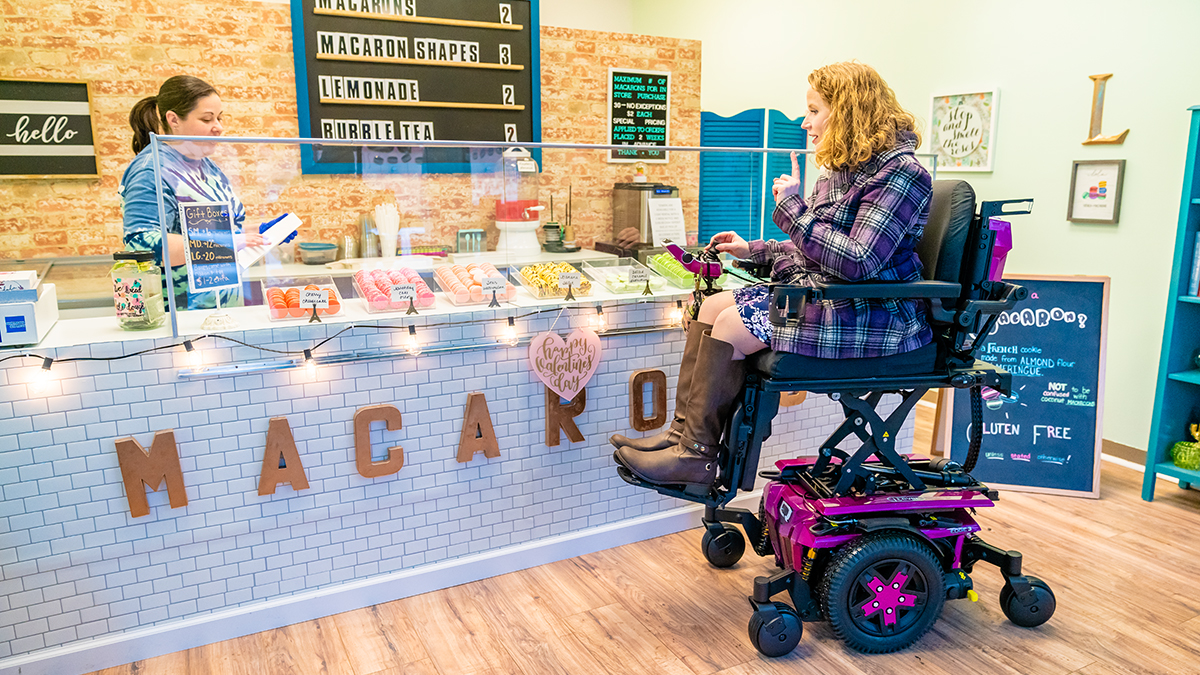
Almost every time I share a photo of me using the iLevel® feature on my Quantum Power Wheelchair, another person with a disability adds a comment that they’ve tried to access seat elevation technology for their wheelchair, but were denied by insurance. For people with Medicare, there’s an outright and automatic denial without consideration of the individual needs of the person.

Seat Elevation Improves Health Outcomes

Kara in her Quantum power wheelchair with iLevel

For many people on Medicare, they don’t have another option for insurance. Thus, some people have access to seat elevation and others do not. There are a number of benefits to this technology, such as easy transfers and lessening tension on shoulders and backs from the constant straining to look up. These benefits are currently only available to some, not all Americans with disabilities. 

Gatekeeping technology that could improve people’s health harms all of us. In the United States, we pay more for healthcare but have worse health outcomes. Making access to technology that can benefit people’s health, such as iLevel on a Quantum Power Wheelchair, more equitable is a good move for all of us.

Whether you use seat elevation technology, would like to, or want others who need it to have access, submit a comment by September 14.

About Kara Ayers: Kara is a mother of three and lives in Ohio. She is an associate professor at Cincinnati Children’s Hospital and Medical Center. In 2021, Kara spoke to the Biden-Harris COVID-19 Equity Taskforce about the need for people with disabilities to access the COVID-19 vaccine. Click here to learn more about Kara.


For more great blogs from our brand ambassadors and Q Roll Models, visit lifeatilevel.com today!

Return to the Life At iLevel page
Return to Lifestyle

People with Disabilities Are Under-Represented in Clinical Trials

Since January 2020, American scientists have worked day and night to understand the virus we know as COVID-19. Now, health agencies across the globe have granted emergency authorization for the use of thirty-four vaccines (collectively). Yet, our healthcare system is still in shambles. We are two and a half years into the COVID-19 pandemic. Some government health agencies are pointing toward an “endemic,” a classification used to describe a pathogen that doesn’t go away. Before, it seemed impossible for a virus like COVID-19 to impact a country like the United States. Yet, the Disability Community has dealt with the cracks (or gaping holes) in the U.S. healthcare system for years.

The Trouble with Clinical Trials

person holding test tubes
Photo by Polina Tankilevitch on Pexels.com

Clinical trials are expensive and take many years to complete, but trials are critically important to public health. In any trial, the results indicate a drug’s ability to go on the market. The data from clinical trials can indicate certain side effects a person may experience while taking the drug. The problem is pharmaceutical companies don’t test people with disabilities. Some pharmaceutical companies intentionally don’t include people with disabilities. Others don’t have any disabled people apply. Most don’t record disability throughout the trial. What happens when pharmaceutical companies are tasked to develop a treatment for a novel virus or bacteria? They request emergency authorization to speed up the trial process. This effectively gets the drug to consumers faster, but not without risk.

The Increased Risk for People with Disabilities

Of course, risk is associated with any drug or medical procedure, regardless of how long its clinical trials were. The Disability Community, however, is at an even higher risk for illness and injury. All drugs have certain ways of interacting with the body to stop a pathogen. What might seem like an average drug interaction in someone with no underlying conditions might be harmful to those with underlying conditions. In certain disabilities, neurotoxic drugs can create painful and sometimes permanent nerve damage. In people with mental health-related disabilities, drugs that impact metabolism and hormone production can significantly alter their mood, diet, and overall health.

Making Tough Decisions About My Health

When I caught COVID in early August 2022, I knew I had to make educated decisions about my treatment. My guess is I caught it on the way home from a trip to Washington D.C. I did not notice it until two days after I returned. I started having symptoms that night and quickly developed a fever and chills. The next day, I hopped on a zoom call with a doctor and their medical student. Both had done extensive research into the most effective ways to treat a COVID-positive person with a neuromuscular disease. We collectively brainstormed for at least an hour before we settled on a treatment plan, the antiviral Paxlovid. It was proven to prevent further symptoms and hospitalizations. The major risk, however, was related to my disability. Because of this, I was forced to make a decision that could negatively impact my underlying conditions while potentially keeping my COVID-19 symptoms from escalating.

The Rise of More Public Health Threats

Pharmaceutical companies do not include or record underlying conditions in medical trials. In the next few decades, health experts predict many more public health threats will occur. These public health threats will require some type of treatment, and underlying conditions won’t be recorded in clinical trials. If there is no recording, there is no data for researchers and doctors to refer to when prescribing a treatment. As a result, patients with underlying conditions must make the decision to risk their health for treatment.

About Riley Hurt: Riley lives in Salem, Oregon, and uses a Stretto Power Wheelchair for mobility. Riley is enrolled in college, pursuing electrical and computer engineering. She hopes to make her future field more inclusive for people with disabilities. Click here to learn more about Riley.

For more great blogs from our brand ambassadors and Q Roll Models, visit lifeatilevel.com today!

Return to the Life At iLevel page
Fun Activities on My Summer Bucket List

As the summer quickly draws to a close, I and my husband realized a few days ago that we haven’t done even half of our summer bucket list. Every year since we tied the knot, my hubby and I have made a list of things that are reasonably affordable and memorable. This bucket list gets dumped out every September and refilled every June. Past lists have included things like trips to Niagara Falls, Ocean City, south of the order (in South Carolina) and Blair, now known as Burkittsville MD., the town that is home of the legend that was made into a movie known as the “Blair Witch Project.” From year to year, the list has some weird and silly places and activities.  Sometimes, items are mundane and boring to some people, but for us it’s interesting and fun.

COVID-19 has kept our yearly tradition, of compiling a list and checking things, unfinished. Between last summer and this summer, we have put together a decent list of things to do and see, all either in the confines of Arizona state or a few hours’ drive. With California, New Mexico, and Nevada relatively close by, the possibilities are numerous.

Fun Activities for Us and the Kids

The new bucket list that we came up with had quite a few easy fun things to do, mainly because our two children, who are eight and thirteen, have not had a very active summer. The Arizona school year started in July instead of August or September like many other school systems. We did get to put a check next to a few things. We even let the kids add a few items to the bucket list. Some of their favorites included: go-kart racing, indoor rock climbing and virtual reality gaming.

Playing Virtual Reality Games

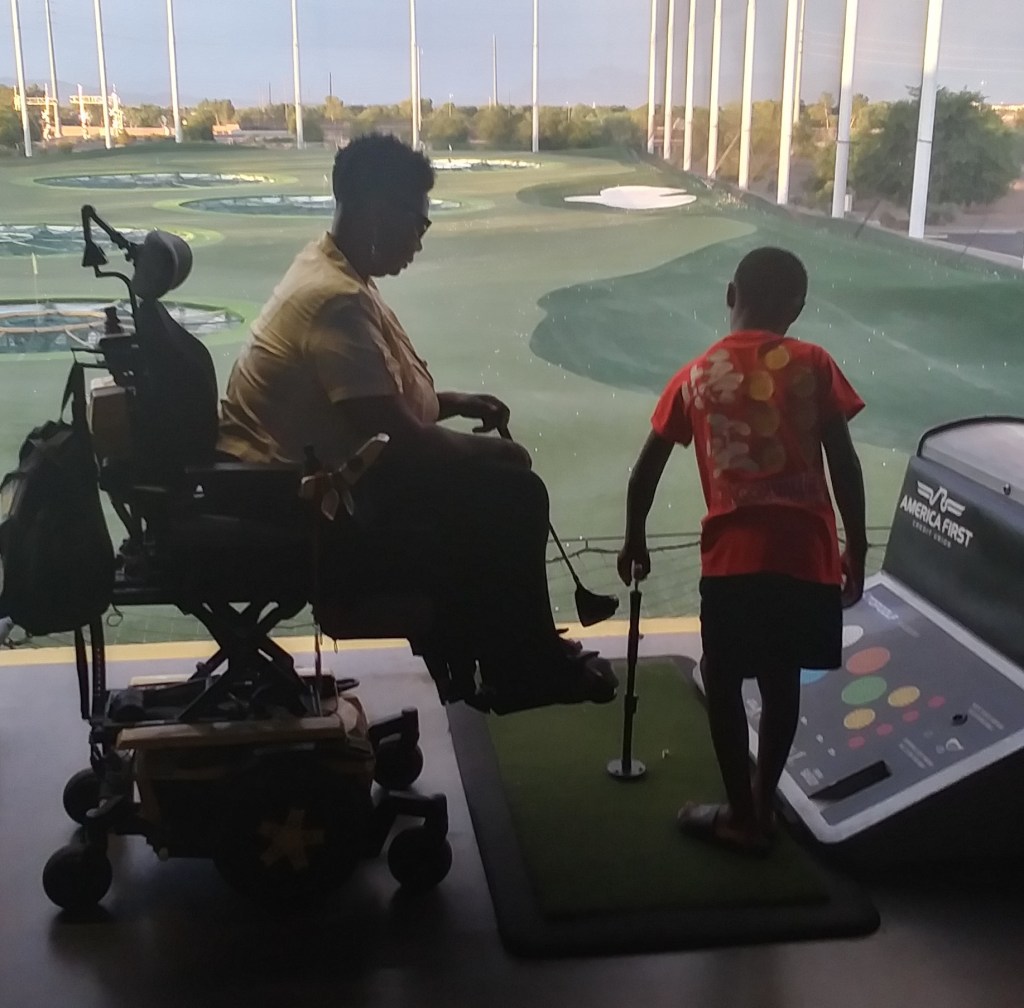
My four-man team wreaked havoc on the virtual zombie hordes and fun was had by all. After gearing up for battle, my kids and husband were laughing because my virtual Avatar was kind of short. I got the last laugh by adjusting the height on my Edge 3 Power Wheelchair. Elevating my power chair 12 inches with iLevel took my Avatar from short in stature to tall and commanding in a few seconds.

Visiting a Candy Shop

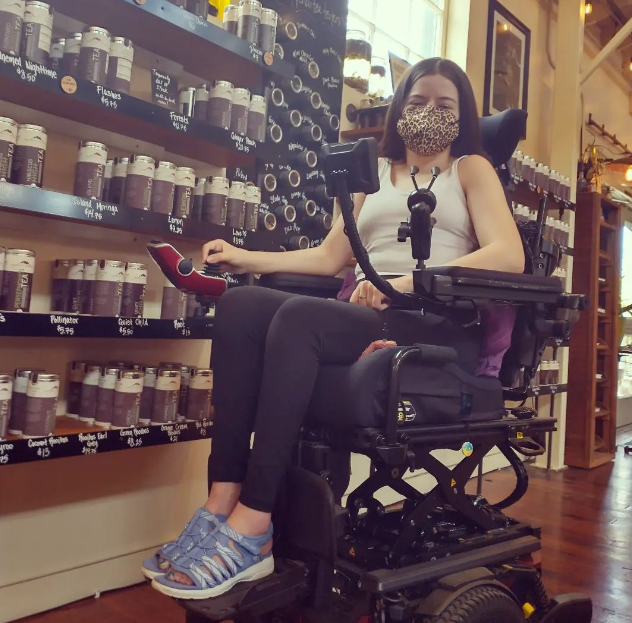
My husband and I were feeling nostalgic, and we decided that we really needed some of the old school candy staples that we grew up with. So, we put a check next to “visit a vintage candy shop.” We only meant to grab a few items and ended up becoming adult kids in a candy store! We took home Atomic Fireballs, Runts, Cow Tales, Bit-O-Honey, Pop Rocks, Candy Cigarettes, Chic-O-Sticks, Push Pops, Bottle Caps and Candy Necklaces. My Edge 3 Power Wheelchair with iLevel chair gave me an advantage over my husband. I elevated high enough to see all the hidden gems and it let me reach wherever I needed to secure my candy treasures.

About Merlisha Henderson: Merlisha uses an Edge 3 Power Wheelchair for mobility and lives in Arizona with her family. As a wife, mother and disability advocate in her community, she stays active and independent, working toward bringing equality and access to all. Click here to learn more about Merlisha.


For more great blogs from our brand ambassadors and Q Roll Models, visit lifeatilevel.com today!

Return to the Life At iLevel page
How to Educate Businesses on Accessibility

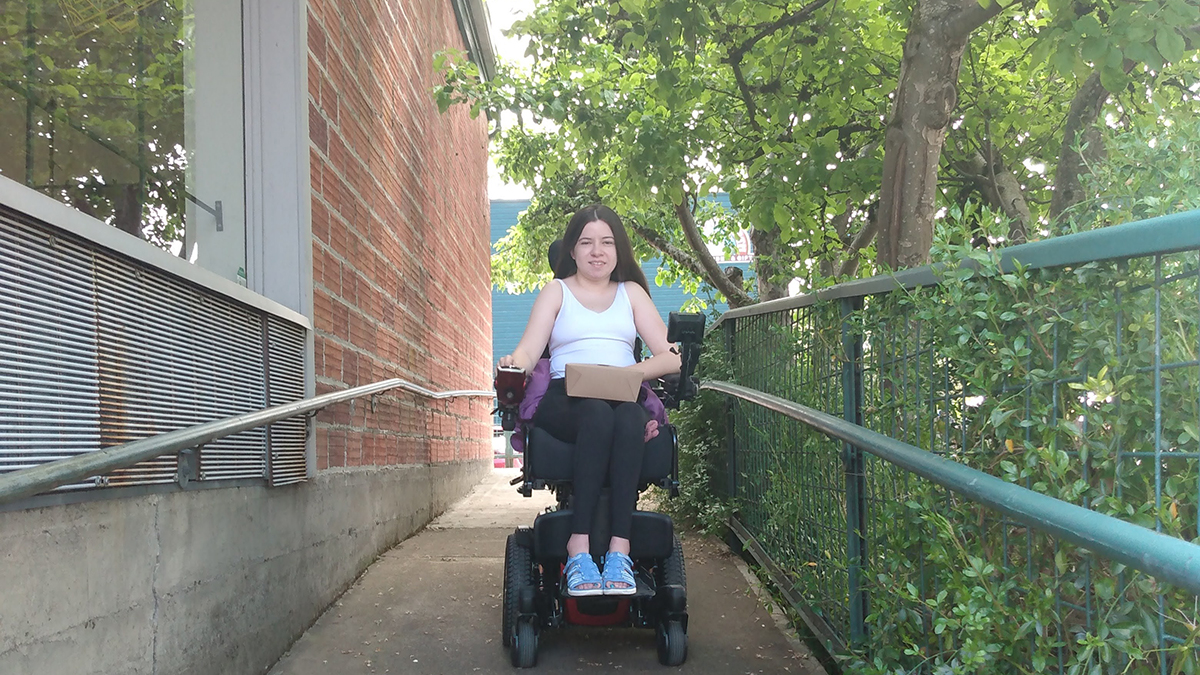
When living with a disability, you often face challenges when it comes to access in public places. Your local parks and government buildings will be 100 percent accessible. Sometimes, local restaurants are accessible but not fully ADA compliant. For example, you might encounter some places where everything is on one floor and there is plenty of space for you to navigate with your power chair. Sometimes, you might find that a restaurant has access to everything, but there is a bathroom that is too small or an outdoor patio with steps. This presents a challenge. The way I look at things is it is better to educate and find a solution by talking to the manager or a staff member, rather than making a scene. When I was younger, I may have made a scene or didn’t bother to even bring up the issue. Now, I love to educate.


Working with Local Businesses

closed brown wooden door
Photo by Mariana Kurnyk on Pexels.com

If the issue is a step or two, I suggest to the restaurant to get a portable folding ramp they can put down when someone in a wheelchair comes in. There is nothing wrong with that, in my opinion. Although, even though we’re in 2022, some places still don’t want the eye sore out all the time. In some instances, the staff may have just completely forgotten about the step out back, while and the rest of the restaurant is totally accessible. They didn’t have someone to advise them about the one area that is an issue. Educating the owner or the staff is in the best interests of both parties. It helps the business stay up to code, which keeps people employed. It also allows you the access you deserve. This is why it does not pay to overreact or be negative and create a scene when you do not have access. It’s best to help the establishment find a solution, so everyone can enjoy their time.

About Josh McDermott: Josh is a brand ambassador for Quantum Rehab®. He is a public speaker and has served as a goodwill ambassador for the Muscular Dystrophy Association. Josh lives in New York and loves to travel. Click here to learn more about Josh.


For more great blogs from our brand ambassadors and Q Roll Models, visit lifeatilevel.com today!

Return to the Life At iLevel page

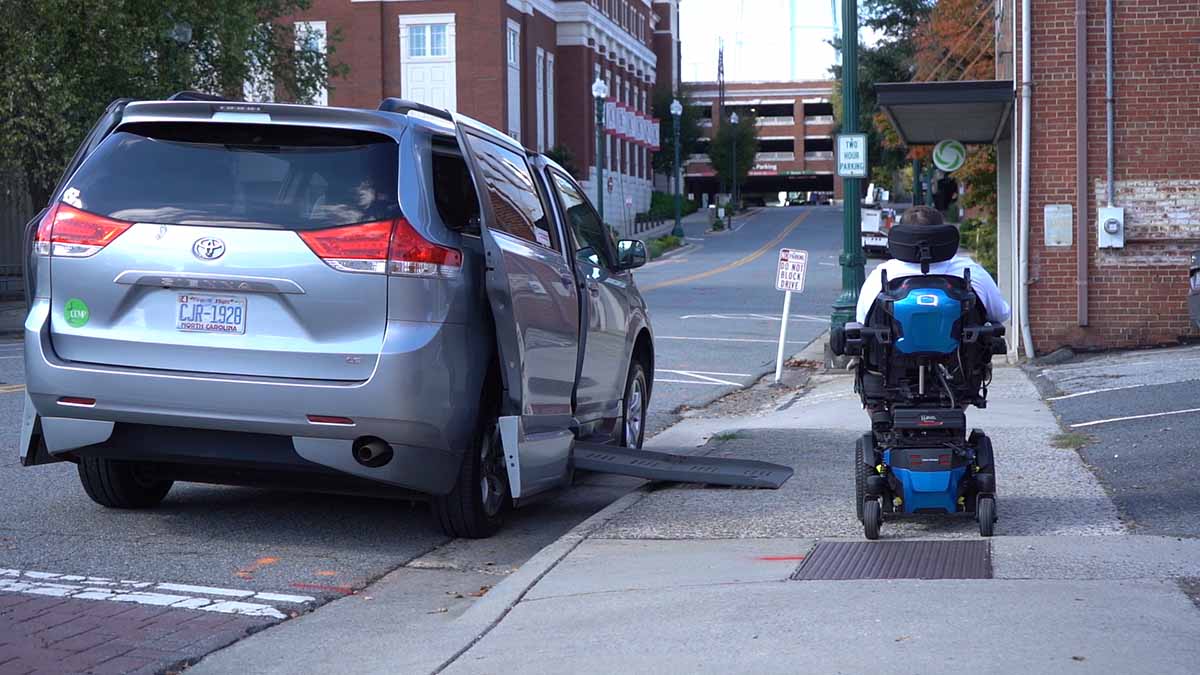
We Need More Accessible Transportation for Wheelchair Users

I am a wheelchair user, fighting for accessibility and transportation rights for disabled Americans. I write blogs and create social media posts to showcase living with a disability. I have been an advocate for transportation rights by contacting local politicians. I have many ideas to solve the transportation issues in the United States. Making transportation more wheelchair-friendly is a must to end ableist discrimination. I think that our nation’s transportation needs by the year 2030 will be based on accessibility for disabled communities.

Wheelchair Accessibility on the Light Rail

Accommodations on light rails dedicated to wheelchair users would make accessing the train easier and safer. The light rail in Charlotte doesn’t have many areas for wheelchairs that keep disabled people out of the aisles. Having spaces to lock down the wheelchair is a matter of safety and keeps wheelchairs from flipping or moving during transit.

Accessible Taxi Cabs and Ubers

There needs to be more wheelchair-accessible Ubers and taxis that allow for safe travel and no hassle. At UNCC, there is a taxi service with accessible ramps dedicated to getting disabled students to class quickly. This should be implemented in every major city in the United States and be sustainable by 2030.

Wheelchair Accommodations on Airplanes and Buses

Airplanes are hard for disabled people, as transferring out of your wheelchair can be nerve-wracking. Designated places on planes can allow disabled people to stay in their power wheelchairs and be locked in with metal straps.

Public buses need to have more lifts for wheelchairs that are strong enough to get people on. At my college, every bus is outfitted with a lift that comes out of the entrance. This is an example for other buses to follow.

Accessibility on Trains

red train on tracks with green grass beside under bright sky
Photo by Pixabay on Pexels.com

Public trains are a prime example of making ample space for wheelchairs to keep the chair stable during the ride. Making the bathrooms wider is a must, so that wheelchair users can get onto the toilets easily and would cut down on potential falls or injuries.

There are many ways to make transportation more accessible for disabled communities. We aren’t asking much, but we want to be respected and have equal transportation rights. We need to take the first step in the fight for a brighter future. Disability should be ordinary because what we lack in physical ability we make up for in heart as we overcome.

About Bryson Foster: Bryson lives in North Carolina. He advocates and raises funds for the development of treatments for muscular dystrophy. He loves sports and cheers for his favorite basketball team, the North Carolina Tar Heels. Click here to learn more about Bryson.


For more great blogs from our brand ambassadors and Q Roll Models, visit lifeatilevel.com today!

Return to the Life At iLevel page
CMS Opens Public Comment Period on Seat Elevation

The Centers for Medicare & Medicaid Services (CMS) announced on Aug. 15 the opening of a 30-day public comment period on national coverage analysis for power seat elevation systems as an accessory to Power Wheelchairs (Group 3). This will run through Sept. 14.

The purpose of this national coverage analysis is to determine if the use of power seat elevation systems in association with Group 3 power wheelchairs for the purpose of performing non-level transfers, is a medical function that would, in conjunction with other factors and considerations, allow a benefit category and coverage determination for these systems.

CMS is soliciting public comment relevant to the request. According to CMS, they are specifically interested in scientific literature that provides evidence of the medical necessity of seat elevation systems by studying the measurable characteristics related to the performance of transfers.

Make your voice heard! Learn more at https://www.cms.gov/Medicare/Coverage/InfoExchange/publiccomments.html

Some Common Questions People Ask About My Power Chair

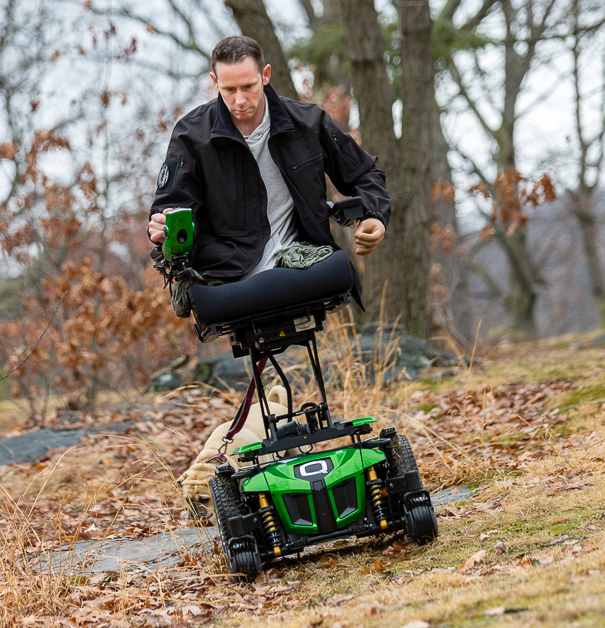
A lot of people think my Edge® 3 Power Chair is cool and have never seen anything like it. They are amazed that I can be up high up, elevated at iLevel. They talk about how it’s more comfortable to speak to me when I am elevated at their level. When talking to people about my power wheelchair, they also ask questions and there are some common ones that are asked.

Is it safe to use your wheelchair?

It is very safe to use my power chair when elevated 12 inches. iLevel is equipped with patented Extra Stability Technology®, which enhances safety for transfers, reaching and many other activities of daily living. The iLevel feature is accessed through the controller or single switch, and the power chair must be on a flat, level surface to activate iLevel. Once the seating system actuator is started, the iLevel boots inhibit movement of the front caster wheels and restrict the power chair to 1-1.5 inches of climbing ability. This reinforces stability, so when I’m driving while elevated, my chair can easily handle any small bumps I might encounter.

Can you go through grass?

Yes! I play golf all the time using my power wheelchair. Grass is no problem!

How long do the batteries last?

It really depends on the terrain and the kind of driving I do. For example, if I need to drive up a lot of hills or if I do a lot of stop-and-go driving, that may drain the batteries faster, as opposed to driving on flat surfaces or downhill. Generally, my batteries last 18-24 miles on a charge. if I don’t use the power chair much, I can get the charge to last for two full days. Still, I charge it every single night because I never know what the next day brings in terms of how far I drive it or the type of terrain.

I’m pretty happy with my power wheelchair. And again, a lot of people think the functionality is really cool.

About Bryan Anderson: Bryan grew up and resides in Illinois. Injured by an IED in October 2005, Bryan is one of the few triple amputees to survive his injuries in Iraq. He is an ambassador for the Gary Sinise Foundation and a spokesperson for USA Cares, which is focused on assisting post 9-11 veterans. Click here to learn more about Bryan.


For more great blogs from our brand ambassadors and Q Roll Models, visit lifeatilevel.com today!

Return to the Life At iLevel page

Tips for Parents When Your Child Needs a New Wheelchair

I recently went to the doctor to get a prescription for a new manual wheelchair, and I realized how much I have learned since I got my first one when I was 5 years old. For ambulatory wheelchair users, the process can be especially confusing, so I wanted to share some tips for parents who are trying to figure out the world of wheelchairs for little kids who are like me.

Think About How Your Child Will Change Over Time

When I was 5, my family and I realized for the first time that I needed a wheelchair. I could walk short distances, but I got tired easily and would fall a lot. The first thing we learned is that wheelchairs for regular use need to be custom made, especially for little kids. Custom chairs can be very expensive though. So, you will probably want to use health insurance to help cover the cost. The problem is, insurance will only pay for a new wheelchair every 5 years, so you need to think about how your child might change over that time. For example, consider the fact they might want to be more independent from you each year and might not want to be pushed as much. Will they be able to handle that in a manual chair for 5 years, or should you think about a power chair?

Ask Questions and Advocate for Your Child

When you use insurance to get a wheelchair, they want you to demonstrate that there is a medical reason for needing it. Once a clinician evaluates your child, they can determine if your child would benefit from a power chair and write a prescription. You also must work with a provider, who acts as the middle person between you and your child, the insurance company and the wheelchair manufacturer. The provider takes your child’s measurements and helps you figure out all the specifications so that the chair is fitted to your child. The provider also determines what components your child needs. One thing you need to know is that as a parent, you need to advocate for your child. Maintain an open dialogue with the provider and ask questions. If there is something that your child needs that isn’t included, or if there is something that is included in the order and you don’t think it’s necessary, speak up!

For example, I do not need assistive devices when walking. For some reason, when I got my second wheelchair when I was 10, it had cane holders! This was just one of many things that I didn’t need that made my second wheelchair too heavy for me and super annoying. So, pay attention to all the details before the provider places an order.

Your Child Might Need Multiple Wheelchairs

orange tennis racket beside green tennis ball
Photo by Ingo Joseph on Pexels.com

It’s not uncommon to have more than one type of wheelchair. I have two wheelchairs that I use on a day-to-day basis: a manual chair and a power chair. I use my manual wheelchair for short distances and shorter periods of time. I use my power wheelchair for long distances or long periods of time, or times when I need seat elevation. I also have a sports wheelchair (mostly for tennis), and a collapsible/folding chair for travel. A lot of the time, I choose which wheelchair I am going to use according to whether it will fit in the particular vehicle that is available. My family has a minivan that my power chair can fit into, but if I want to go out with a friend in a different car, I might try to take my manual chair if I can make it work. Which wheelchair to use for various activities is something I always think about, but it’s worth it.

Consider What Will Help Your Child

Some friends of mine who are wheelchair users have talked about how their parents didn’t want them to use a wheelchair if they could walk, because then their child might “look disabled.” So, my friends had to push themselves way past their physical limits and suffer a lot of pain and discomfort. My advice is that parents who do this are being ableist and are not helping their children. I was so happy to get my first wheelchair and couldn’t have cared less what anyone thought.

Also, some parents are afraid a power wheelchair might make their child look even more disabled than a manual wheelchair, so they don’t get one, even though the child really gets tired from pushing. Don’t be that parent. I didn’t grow up with many other wheelchair users around me, so a lot of my journey was trial and error. I don’t personally recommend this tactic. So, look for other experienced wheelchair users and get their thoughts. Don’t just rely on doctors who are not disabled to tell you what your child needs. In the end, they don’t have the same amount of experience as people who use wheelchairs.

About Maddie Kasten: Maddie is a Q Roll Model for Quantum Rehab. She lives in Phoenix, Arizona, and enjoys participating in adaptive sports, playing video games and watching anime. Click here to learn more about Maddie.


For more great blogs from our brand ambassadors and Q Roll Models, visit lifeatilevel.com today!

Return to the Life At iLevel page
Seat Elevation on My Quantum Power Wheelchair Improves My Life

This month, an exciting opportunity arose in the world of accessible technology as the Centers for Medicare and Medicaid opened up a thirty-day comment period where people could submit public comments for why they believe Medicare should cover power seat elevation. While I’m relatively new to the game of power chairs, assistive technology and seat elevation, I’ve quickly learned that this is so much more than a luxury. It’s an absolute necessity. While I’m using my Quantum Power Wheelchair, changing my elevation height has become so second nature, I don’t realize I’m doing it half the time.

Cooking and Reaching Things in the Kitchen

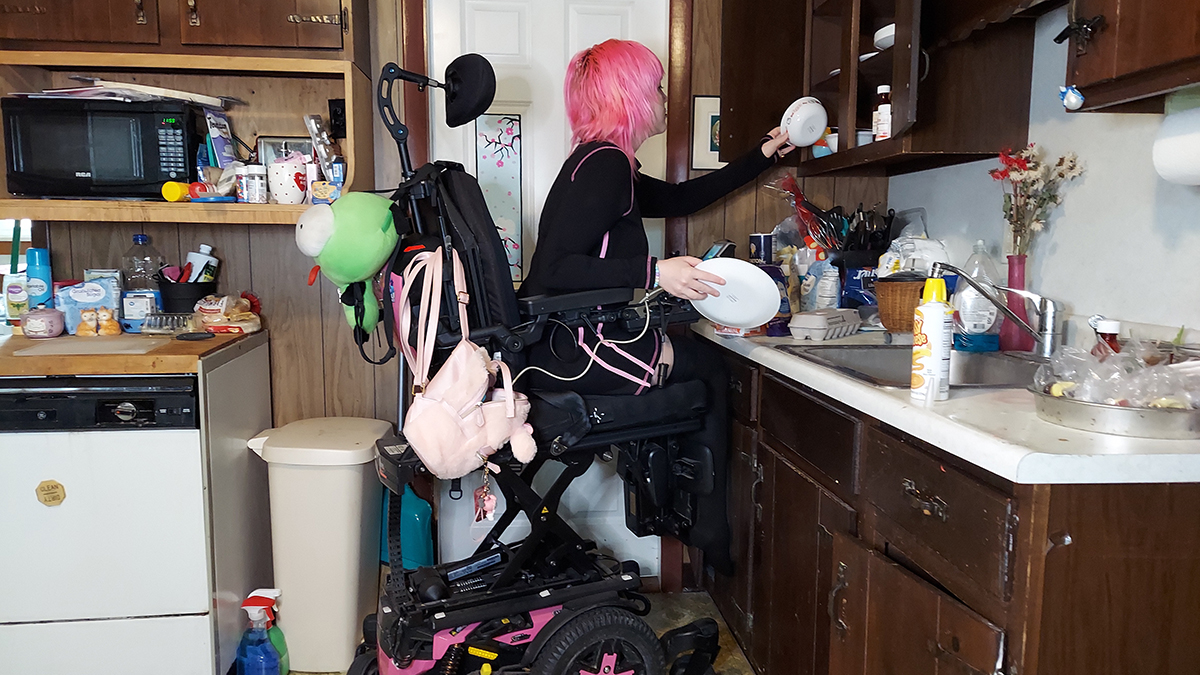
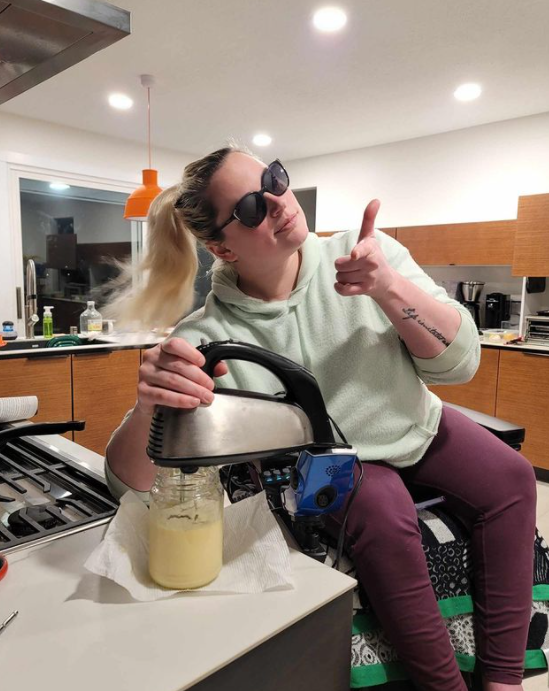
Jim uses seat elevation on her Quantum Power Wheelchair to reach things

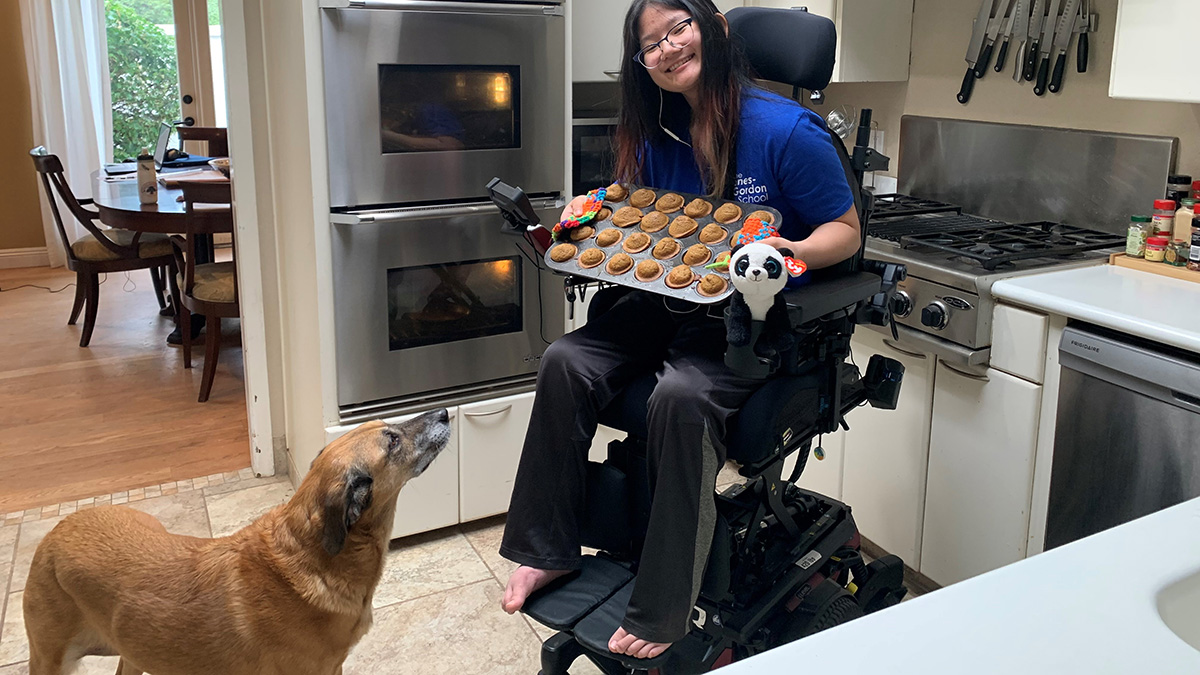
Seat elevation on my Quantum Power Wheelchair has made many things in my life not only more accessible, but safer and more comfortable. For example, while cooking something with hot oil that typically splatters and pops, I can easily elevate away from this and adjust myself to cook at a comfortable and safe angle, vs the oil splattering onto my face and forearms.

When I’m washing the dishes and moving them from the washer to the cabinets, I always find myself shifting my height for the entire process so that I can safely unload them, safely put things back into the cabinet and reload the dishwasher. I can see where I’m putting everything, so it’s not only more efficient, but prevents dishes from breaking.

Transferring from My Quantum Power Wheelchair

Power seat elevation is such a help with transfers. Not all seats are the same size, such as going from my power chair to my bed. Having the ability to raise and lower myself keeps transfers on a more equal level and makes it far easier and safe.

Using Power Seat Elevation in Social Situations

In social situations, it’s particularly difficult to connect with clients, customers, and colleagues when you’re at drastically different heights. When you’re sitting in a power wheelchair with no elevation at an event where everyone else is standing, you miss the fundamental experience of making eye contact with people you’re working hard to connect with and develop a professional relationship. Often, people have to squat or sit on the ground next to you, which is just uncomfortable for everyone. It’s much easier to be dismissed or not taken seriously in these moments as a person with a disability. I’ve had many interactions where I’ve been written off entirely as a valuable entity in my career, as people feel that getting down to that level is similar to that of a child, especially when people haven’t interacted with disability before.

Recently, I took my Quantum Power Wheelchair to a business event where I was elevated at iLevel. I discovered the astronomical difference of being able to participate in a conversation. I didn’t have to tune out because it was happening literally above my head. I could assert my knowledge and opinions at the same pace as everyone else.

I can’t fathom not having access to a power seat elevation system, like iLevel. Seat elevation is a great equalizer, a confidence builder, a tool for safety, a tool for comfort and a pivotal part of creating quality of life. I’m ecstatic this conversation has opened up, and I truly hope CMS sets a precedent to cover it.

About Jill Moore White: Jill is an inclusive play specialist, bringing accessible playgrounds to local communities. She volunteers with disability organizations, including the Disability EmpowHER Network. Jill enjoys music, sketching and playing video games. Click here to learn more about Jill.


For more great blogs from our brand ambassadors and Q Roll Models, visit lifeatilevel.com today!

Return to the Life At iLevel page
Return to the Funding page

Changes to Transportation Access for People with Disabilities

On July 26th, 2022, we celebrated the 32nd anniversary of the Americans with Disabilities Act (ADA). Across the nation, organizations and people with disabilities marked this occasion in a variety of different ways, from community picnics, to hosting grand openings of accessible buildings to making announcements about new policies to help move the Disability Community forward. 

silhouette of airplane in golden hour
Photo by Marina Hinic on Pexels.com

I was absolutely thrilled to learn about all these different celebrations and partake in some of them. I also loved reading the comprehensive list of all of the ways that the Biden-Harris administration has been advancing Disability Rights over the past year. My favorite announcements, however, came from the U.S. Department of Transportation. 

Bill of Rights for Airline Passengers with Disabilities

In early July, the U.S. Department of Transportation published the first-ever Airline Passengers with Disabilities Bill of Rights. This easy-to-use document summarized the 

fundamental rights of people with disabilities under the Air Carrier Access Act and empowers travelers with disabilities to understand and assert their rights.The Bill of Rights enumerates ten specific rights for air travelers with disabilities, including: 

  • The Right to Be Treated with Dignity and Respect
  • The Right to Receive Information About Services and Aircraft Capabilities and Limitations
  • The Right to Receive Information in an Accessible Format
  • The Right to Accessible Airport Facilities
  • The Right to Assistance at Airports
  • The Right to Assistance on the Aircraft
  • The Right to Travel with an Assistive Device or Service Animal
  • The Right to Receive Seating Accommodations
  • The Right to Accessible Aircraft Features
  • The Right to Resolution of a Disability-Related Issue

Changes Are Coming for Wheelchair Users

While this Bill of Rights was a huge announcement, the U.S. Department of Transportation did not stop there! On the 32nd anniversary of the ADA, the U.S. Department of Transportation held a celebration where Secretary Pete Buttigieg made several huge announcements. The biggest one by far was that the Department of Transportation is working towards creating a new rule to allow wheelchair users to stay in our personal wheelchairs while flying. This is a groundbreaking announcement as countless wheelchair users are injured every year while flying. And more often, our wheelchairs are damaged. Being able to stay in our wheelchairs when we fly will truly be life changing and I am so excited that the Department of Transportation is working towards this goal! 

About Stephanie Woodward: Stephanie is a brand ambassador advisor for Quantum Rehab® and works as a disability rights activist. She has received many awards for helping communities become more accessible, as well as for her actions in fighting for the rights of disabled individuals as it relates to Medicaid and other support services. Click here to learn more about Stephanie.


For more great blogs from our brand ambassadors and Q Roll Models, visit lifeatilevel.com today!

Return to the Life At iLevel page
Return to Wheel Talk