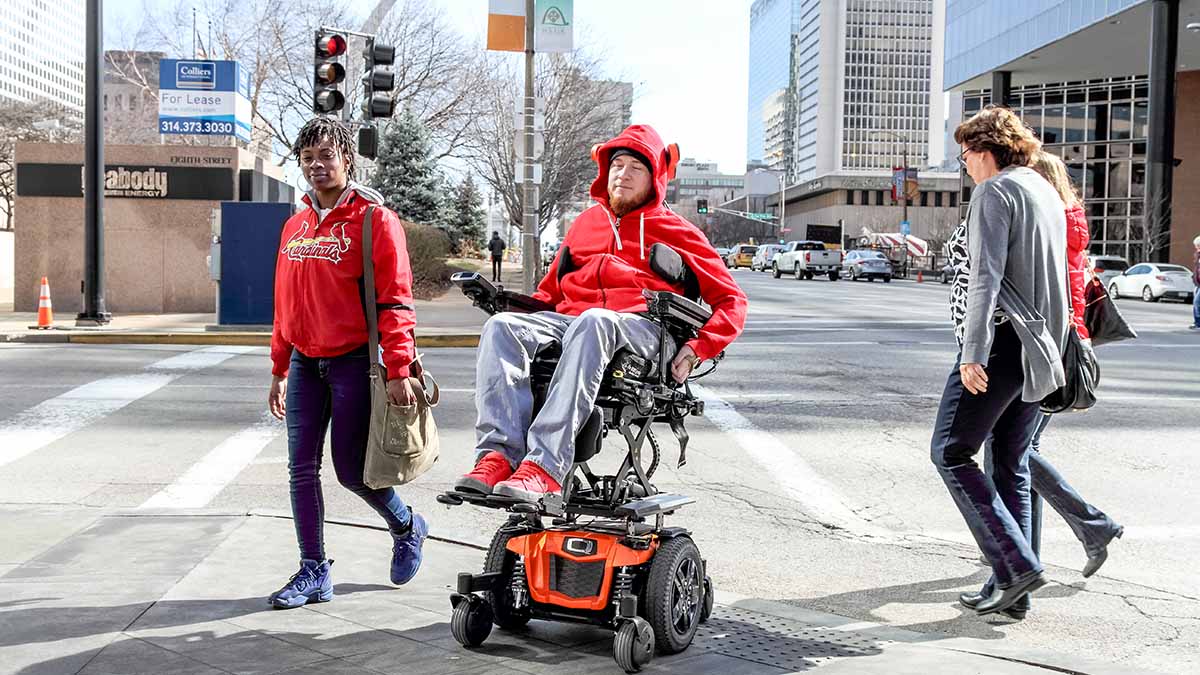
Some Questions I Get About My Edge 3 Power Chair with iLevel

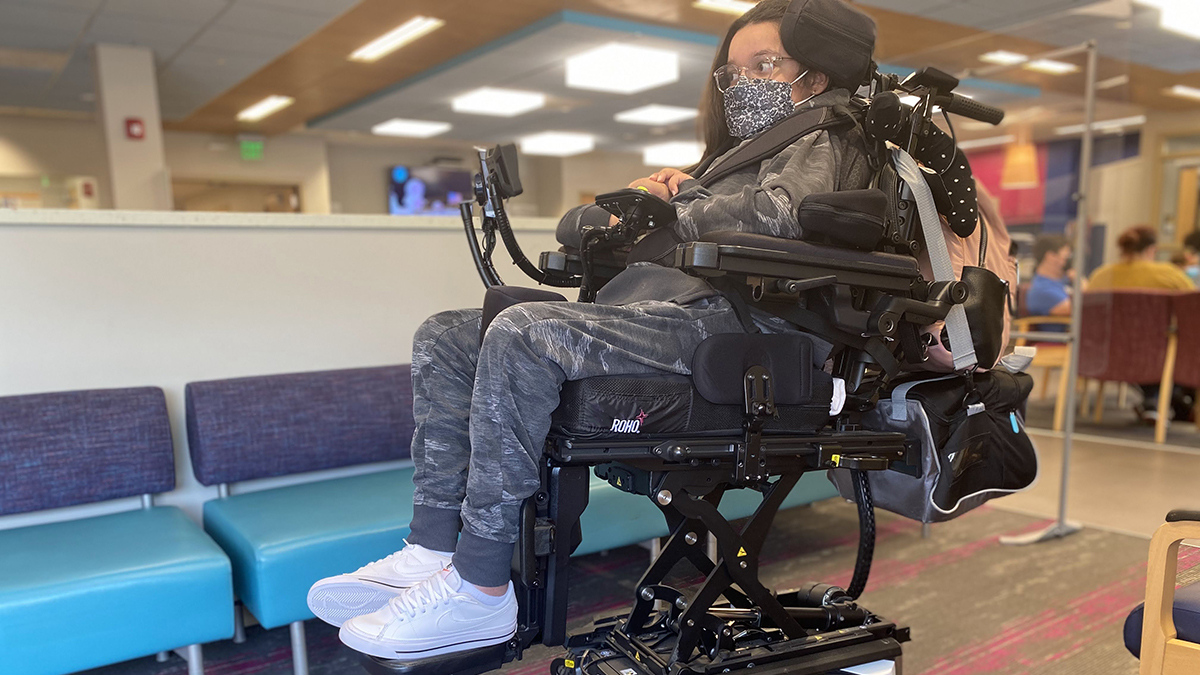
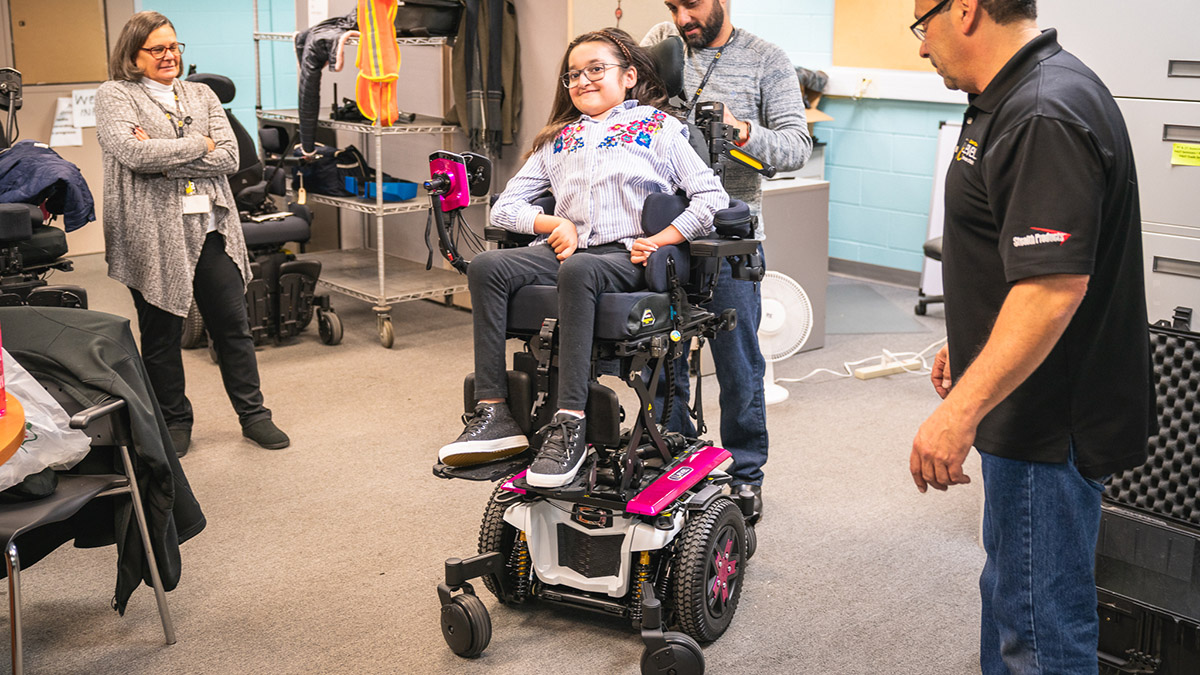
You would think in this day and age, people would be used to seeing wheelchairs. With so many products out there, from manual chairs to mid-level power chairs to full-on power chairs, yet people still tend to stop and stare when they see one. Sometimes, they even ask questions about our wheelchairs. In my case, I have an Edge® 3 Power Wheelchair with iLevel® technology. I love it and I use every day. Normally, when I’m in the lowered position and cruising along, I don’t get too many questions about the chair. When I am elevated at iLevel, however, that is what turns people’s heads, especially children.

Getting Questions About iLevel
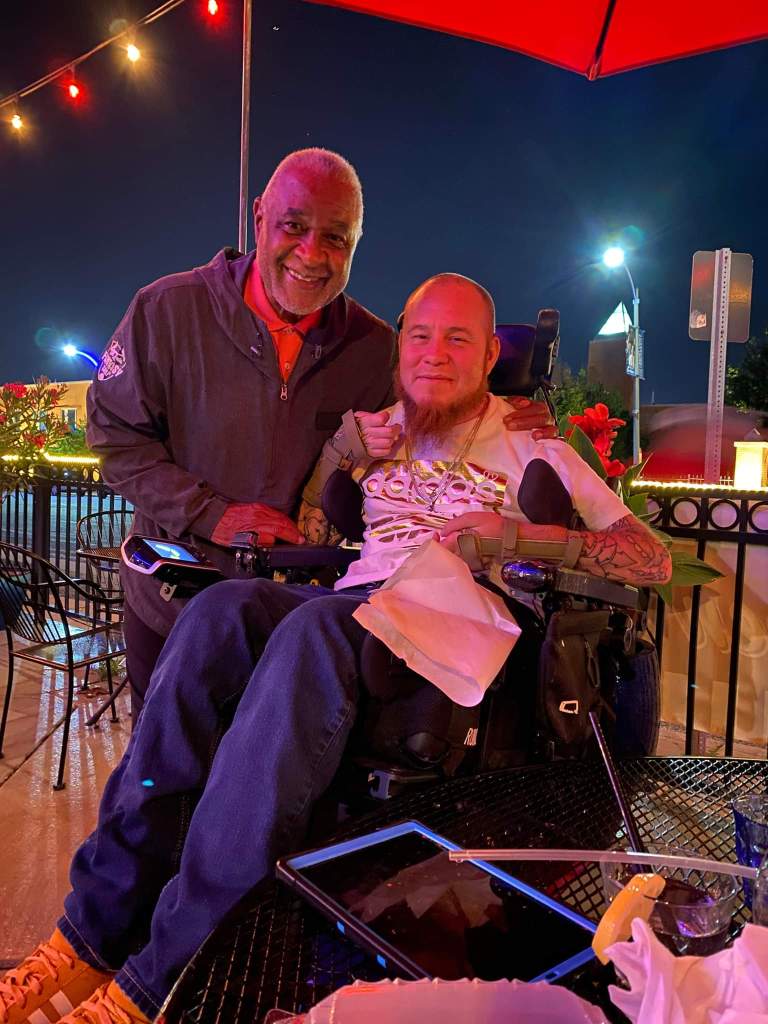
I was at the circus with some friends. I was elevated at iLevel because it was super hot out and I was tired of being inside the tent. A crowd of people were coming out, as I was elevating my power chair to engage in conversation with someone. A child asked her mother why I was sitting up so high in my wheelchair. So, we took the time to explain to her that my legs didn’t work and we showed her how the chair moved up and down. She was so impressed with the chair, so I kept going and showed her other things and explained to her the other features on the chair and how they worked. It’s times like this that make you appreciate your power chair even more.

Questions About How I Drive My Chair

The second most common question I get asked is how do I drive my power wheelchair. A lot of times, people see me driving with my arms straight down and they kind of scratch their heads as to how it works, especially kids. When a child asks, a lot of times I just tell them that I use my mind. When adults ask me, I explain that my headrest is actually a head array which functions as my left, right, reverse and forward buttons. This still baffles people a lot. I’m very humbled by it and so glad that I have this technology to help me.

I will never get tired of people coming up and asking questions about how the chair works. I love the performance and how it makes me taller with the iLevel feature. I am always grateful for having an iLevel Power Chair.

About Jesse Cuellar: Jesse is an artist and a brand ambassador for Quantum Rehab®. An accident left him paralyzed from the neck down, so he uses his mouth to paint and expresses himself through his art. Jesse lives in St. Louis, Missouri, and enjoys painting and hanging out with his friends. Click here to learn more about Jesse.


For more great blogs from our brand ambassadors and Q Roll Models, visit lifeatilevel.com today!

Return to the Life At iLevel page
Top Issues Facing People with Disabilities and Personal Care Attendants

Like many people with disabilities, I rely on the support of personal care attendants to complete activities of daily living. These supports are vital for us to live our day-to-day lives, however, working as a personal care attendant is not an easy job. Personal care attendants should be treated with more respect.

Hiring Personal Care Attendants Through Medicaid

In Michigan, when using Medicaid dollars to pay for personal care attendants, you have two options: to hire staff through direct-hire or through an agency. When hiring staff through direct hire, the person with a disability is the employer and they hire and manage their own staff. When utilizing an agency, a third-party company is the employer and does all the hiring. There are pros and cons to each staffing option. Before the pandemic, both options provided consistent support to people with disabilities, for the most part.

The Struggle of Finding Attendants

In the last two years, I have been told by multiple personal care attendants that my wages are too low (the rate of pay is set by Medicaid). I’ve also been turned away by several staffing agencies because they do not have enough staff to provide support.  

Lack of Training

Since the beginning of COVID-19, it has been difficult to find people who are willing to work as personal care attendants. During the pandemic, those who were working for staffing agencies were working 60+ hours a week to support those in need. This staffing shortage is due to poor working conditions, lack of proper training and low pay. Lack of proper training causes an unsafe environment for the staff member and the person receiving support. Everyone has unique needs and desires for how they want to spend their days and should be treated as such.

Low Wages

Many people working for agencies earn about $10 an hour and those working for someone through direct hire earn about $12 an hour. These wages have been proven to not be livable or not enough to compensate for the skills needed to provide personal care services.

The Need for Change

The personal care staffing shortage directly impacts the lives of people with disabilities and is another barrier that prevents us from being fully integrated into our communities. Lawmakers need to pass laws to increase the wages and provide more individualized trainings to personal care attendants.

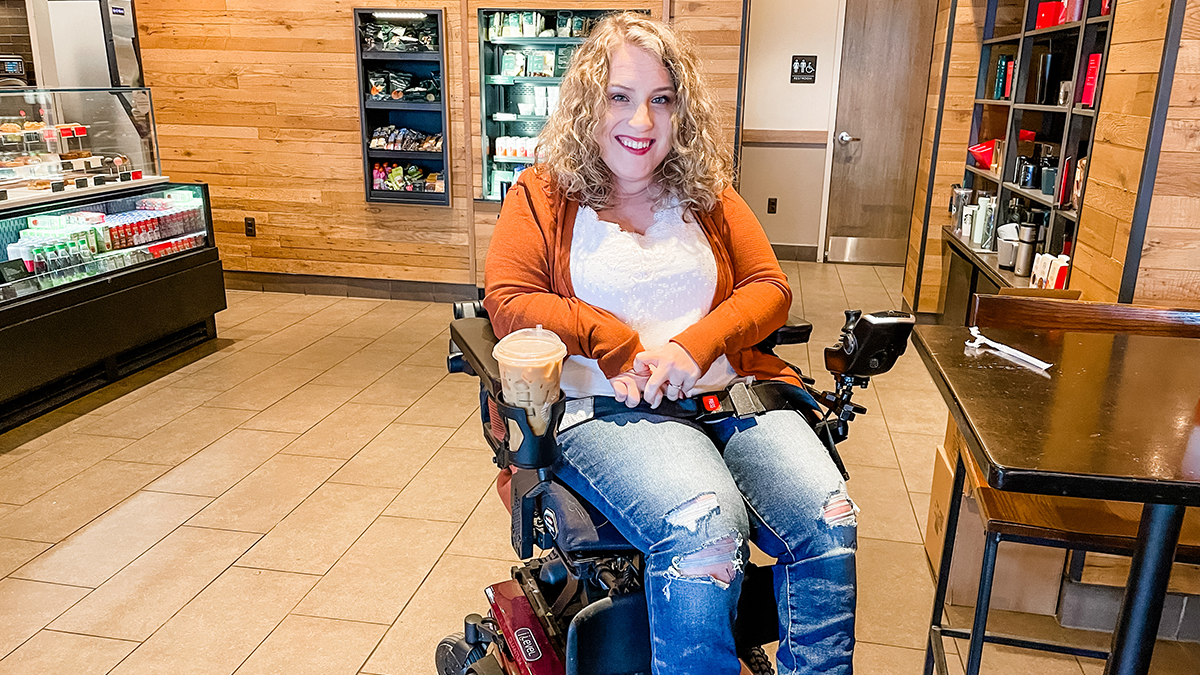
About Isabella Bullock: Isabella, or Izzie for short, is an employment specialist for the Center of Independent Living. She is an iced coffee enthusiast who enjoys getting lost in a good book. Click here to learn more about Isabella.


For more great blogs from our brand ambassadors and Q Roll Models, visit lifeatilevel.com today!

Return to the Life At iLevel page
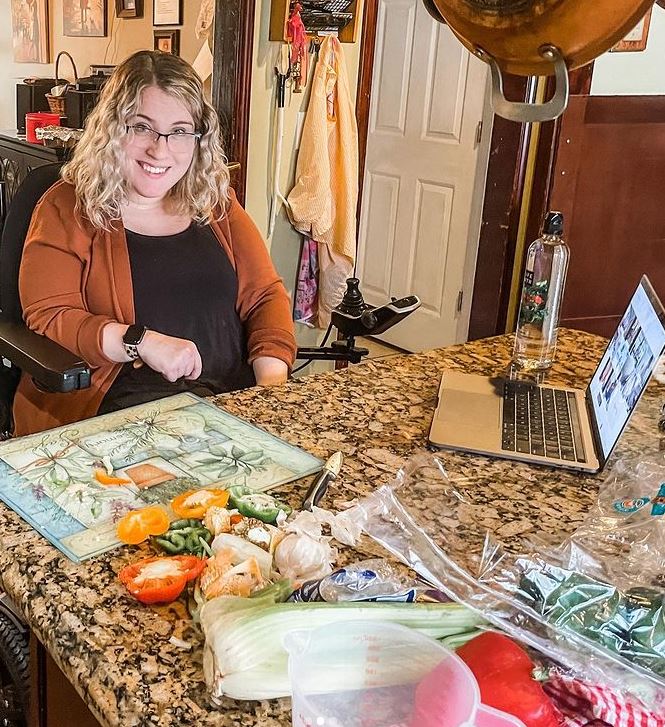
Meet My New Kitten, Billy!

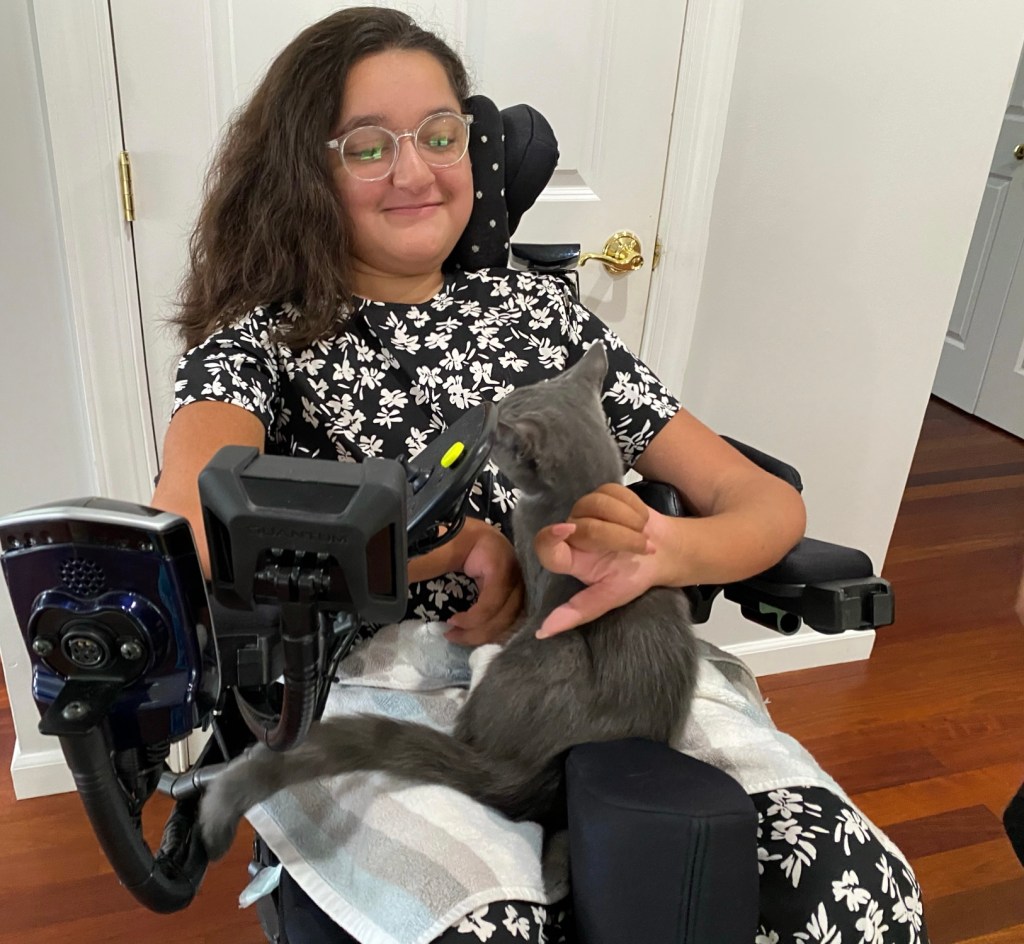
In July 2022, we got a new addition to our family: a little, four-month-old baby kitten named Billy. My brother and I have been wanting a little kitty for over five years. While my dad was completely on board, my mom wasn’t. Caring for a disabled child is a lot of work in itself. On top of that, my brother and I were not at the age where we were responsible yet. In short, it had never been the right time.

Finding the Right Kitten

Then, the pandemic hit. Everyone was getting a pet. Again, we wrote countless persuasive essays and research papers on why we should get a kitten. Again, it was never the right time. However, at the beginning of 2022, my mom slowly started to budge. She created a list of eleven mandatory things that our imaginary kitty must have. She claimed that it would be physically impossible to find a kitten that checked every box. Yet, here we are! After creating this list, she slowly started to research kittens that were up for adoption and fit her criteria. We met several wonderful kitties and put in offers. None went through. At the beginning of July, my dad put in an offer for a little kitten from our local rescue shelter and…it went through! It felt great knowing that we rescued a kitten and gave him a new home!

Introducing Billy to His New Home

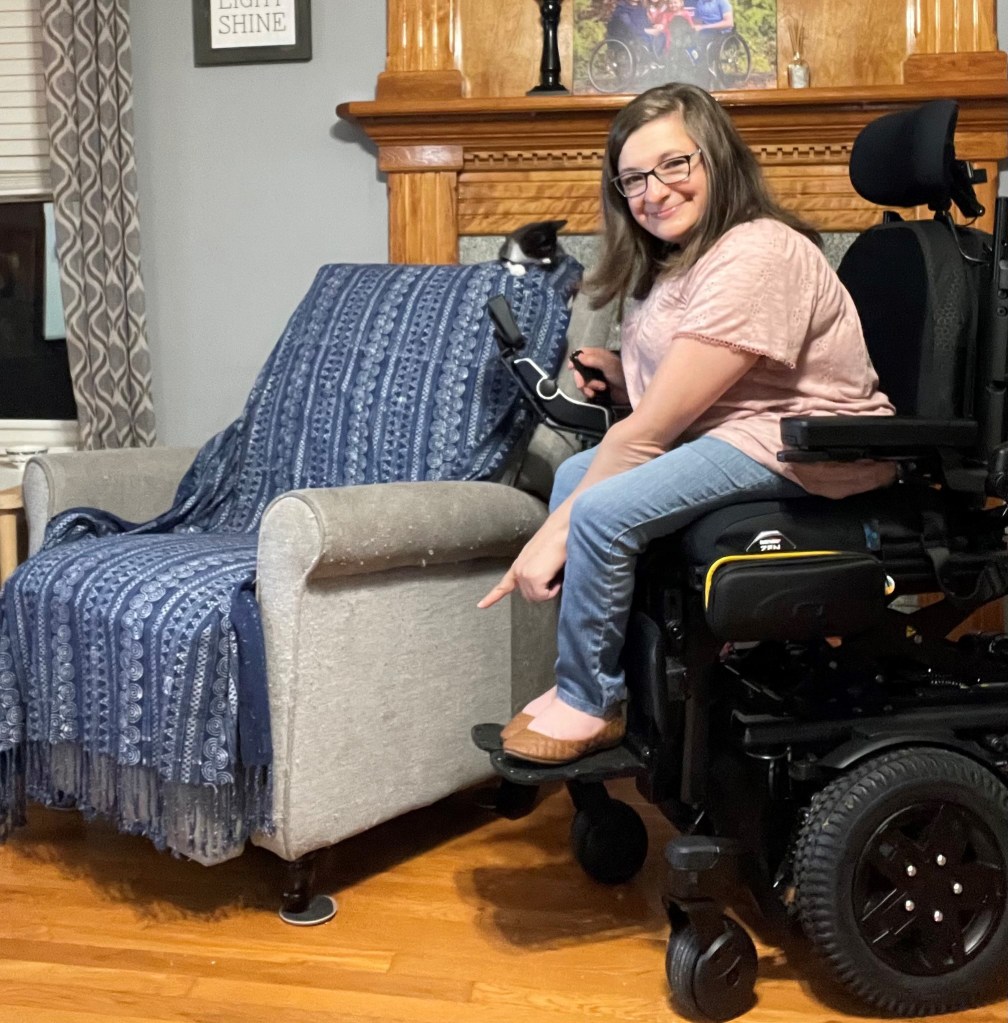
After slowly becoming acclimated to the new environment, Billy the kitten is becoming more and more comfortable with us. After spending time in our tiny guest room, we’re very slowly trying to acclimate him to the rest of the house. He also can’t stop staring at my Quantum Edge 3 Stretto Power Wheelchair. We’re trying to teach him how to climb into my lap from the ground into my wheelchair. So, we’ll see how that goes! He goes absolutely crazy when I turn on the headlights on my Stretto! Having iLevel technology on my power wheelchair makes caring for a pet so much easier. I can reach the counter to pick up his food and toys.

We are so happy to have him in our house and slowly everyone is beginning to love him! There are many more crazy adventures to come with little Billy. For now, welcome to the family, little guy!

About Sakina Shamsi: Sakina lives in New Jersey with her parents and brother. Although she has spinal muscular atrophy type II, Sakina lives a full and independent lifestyle. She is active in the disability community and enjoys horseback riding, baking and crafting. Click here to learn more about Sakina.


For more great blogs from our brand ambassadors and Q Roll Models, visit lifeatilevel.com today!

Return to the Life At iLevel page
What to Do When You Arrive at the Airport

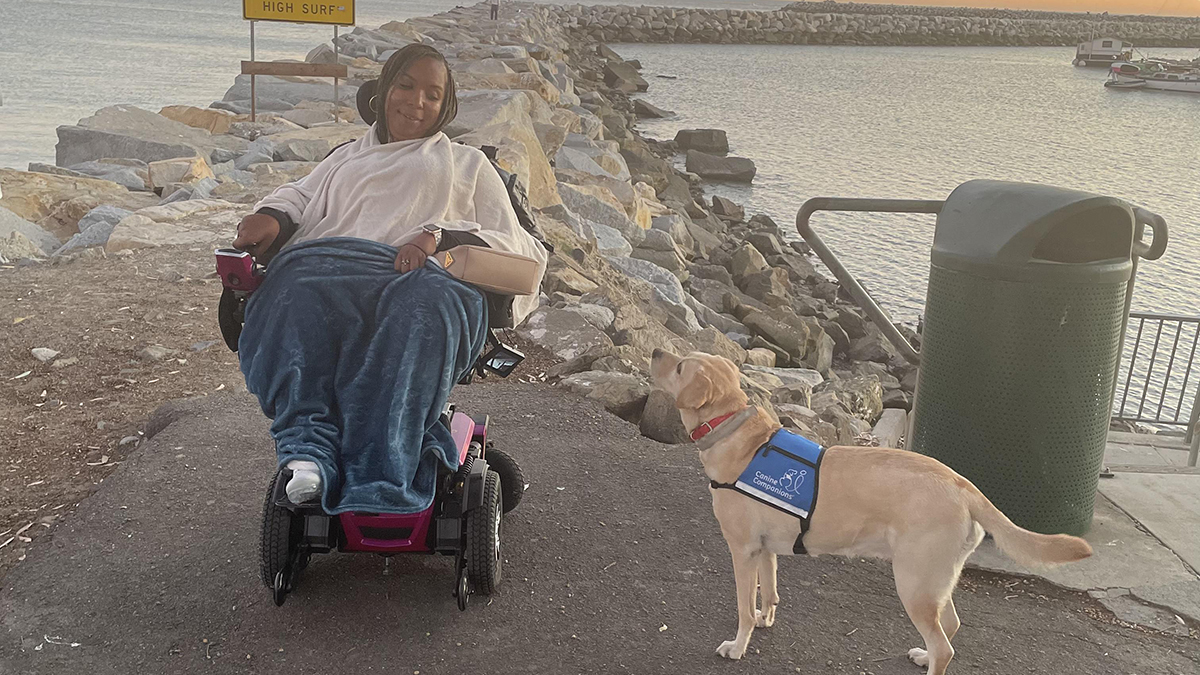
In a previous blog, I shared tips on how to protect your wheelchair when traveling by plane. As much as one can plan and prepare to travel by air, as a wheelchair user the planning doesn’t stop when we get to the airport. In fact, what we do to ease potential travel woes when flying (such as wheelchair damage) becomes even more important once we arrive at the airport. Here are a few things you can do when you reach the airport to make your flying experience run smoothly.

Arrive Early at the Airport

Arrive at least 2 hours early. This will leave you plenty of time to check-in, get through security, and handle any access needs (such as restroom or food). It also leaves room for any mishaps along the way.

Go Before You Go

Since airplanes have yet to develop accessible restroom options, it’s important to handle any restroom needs prior to boarding the plane.

Pack Your Charger in Your Carry On

Keep your wheelchair charger and other chargers in your carry-on. Unfortunately, bags do get lost and/or delays happen, which means you may not have access to your luggage for a while. Keeping chargers in your carry-on luggage ensures all your devices, from your wheelchair to your phone, are always with you.

Speak with Airline Employees

Chat with baggage handlers about how to operate your equipment. Each time I get to the gate, I request to speak to the ground crew. I show them how to turn my chair on and off, how to put it into freewheel mode and how to tilt and recline it. This has made a huge difference in reducing damage because it eliminates their guesswork about how to maneuver it and get it under the plane.

Hope for the Best

Pray. Cross your fingers and toes. Wish upon a star. Do whatever will give you some extra luck for the journey. At the end of the day, you can try everything and still not end up with a perfectly in-tact wheelchair after flying. Hopefully these tips will help a bit!

Click here to read part one of this blog.

About Andraéa LaVant: Andraéa is a disability consultant and worked as an impact producer for Crip Camp, a feature-length documentary on Netflix. Andraéa lives in California and uses a 4Front 2 Power Chair.


For more great blogs from our brand ambassadors and Q Roll Models, visit lifeatilevel.com today!

Return to the Life At iLevel page
Return to Wheelchair Accessible Travel

Important Reflections on Disability Pride

This past July marked the 32nd anniversary of the Americans with Disabilities Act (ADA), known to many in the disability rights world as ADA month. In more recent years, July has been designated as Disability Pride Month, coinciding with the first Disability Pride Day held in 1990 and the first Disability Pride Parade held in Boston in 2004. Ultimately, one of the primary purposes of Disability Pride Month is to uplift and celebrate disabled people individually and as a culture/community. So, if July was the moment to discuss disability pride, why am I discussing it now?

My Relationship with Disability

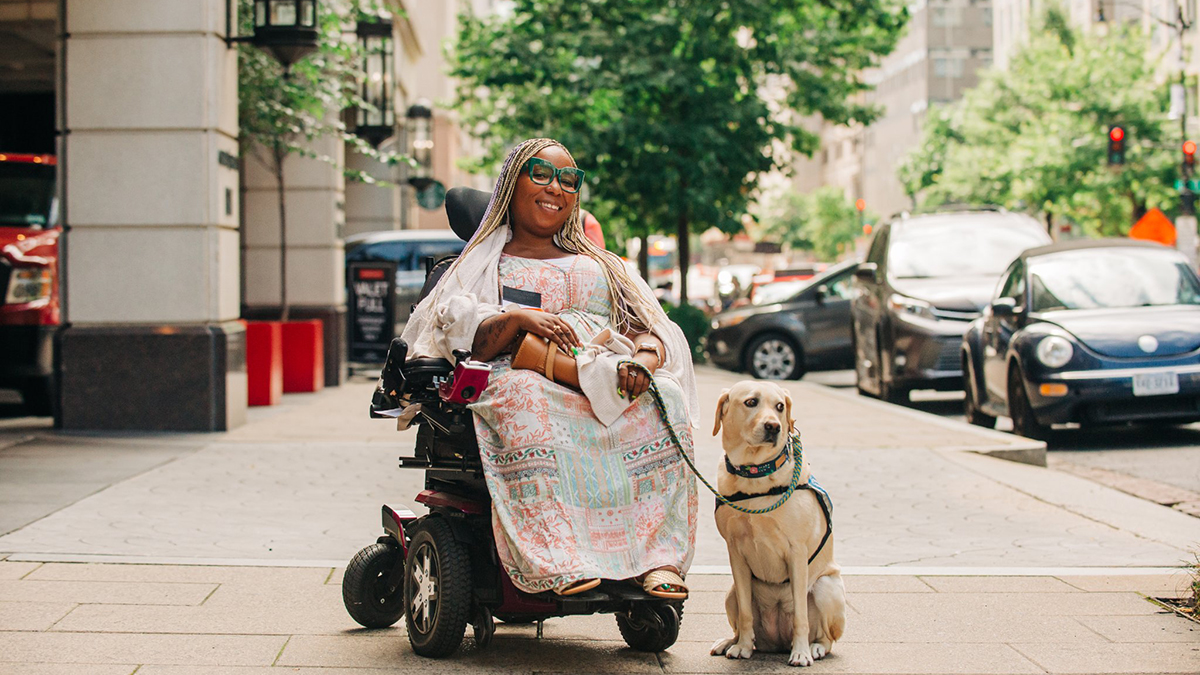
Over the years, as my career has continued to center on disability inclusion, I’ve developed a more complicated relationship with Disability Pride Month. Don’t get me wrong, I am LOUDLY and PROUDLY disabled! While I haven’t always felt this way, I’m grateful to be in a place where I confidently embrace my identity as a physically disabled person in similar ways that I embrace other aspects of my identity, including my race, gender, and sexuality. I am incredibly honored to be a part of the world’s largest minority group, a community that is as vast and as deep as all the oceans combined.

Because July is often the only time that much of mainstream society centers disabled people, this means that it also becomes the most exhausting month of the year for so many people with disabilities. For many of us, we find ourselves busy with events and activities and just more work that can leave us drained by the month’s end. Even still, for those of us managing care and needs of our bodies, it can feel almost counter-productive to be outwardly “celebrated” yet overworked to the point of what can feel like exploitation.

Celebrate Disability Pride All Year Round

Ultimately, as much as I appreciate a moment designated to acknowledge the experiences, contributions, and perspectives of disabled people, I wish that more organizations and society-at-large would center disabled people outside of one month. Disabled experiences do not begin on July 1st each year, nor do they end on July 30th. We are valuable every day. We live and survive and thrive every day. Thus, we deserve to be celebrated. EVERY DAY!

About Andraéa LaVant: Andraéa is a disability consultant and worked as an impact producer for Crip Camp, a feature-length documentary on Netflix. Andraéa lives in California and uses a 4Front 2 Power Chair.


For more great blogs from our brand ambassadors and Q Roll Models, visit lifeatilevel.com today!

Return to the Life At iLevel page
Return to Lifestyle page

Our First EmpowHER Camp Graduates

Last year, I wrote about our inaugural Class of EmpowHer Camp. EmpowHer Camp is a multi-stage skill-building, empowerment, and mentoring program that brings a diverse group of girls with disabilities (ages 13 -18) to camp with successful disabled women mentors in the Adirondacks for one week. They learn about disaster preparedness and basic survival skills, while also developing independent living and leadership skills. The next summer, the girls reunite in Washington, D.C., to explore how they have grown as leaders. During the year between the first trip and the reunion trip, the girls will create a yearlong local project involving inclusive disaster strategies.

In the Beginning

Well, it’s been a whole year since our first class of young leaders started the program and I cannot believe it, but last week they all graduated from EmpowHer Camp! In August 2021, we had nine young women with disabilities join us from across the country and they began their journey by camping in the Adirondacks. They did not know each other and they did not know the nine disabled women mentors that they were camping with either. Over that one week, we all grew together, but it did not end there. 

Community Projects

After the week was over, each young leader selected one disabled woman to serve as her mentor for the year. Each girl created a community project and her mentor helped her throughout the year to accomplish her project. All the projects were incredible! For example, one girl worked with a local domestic violence organization to help their shelter become more accessible and another girl created an emergency resource guide for the Disability Community in rural Montana! 

Reuniting in Washington D.C.

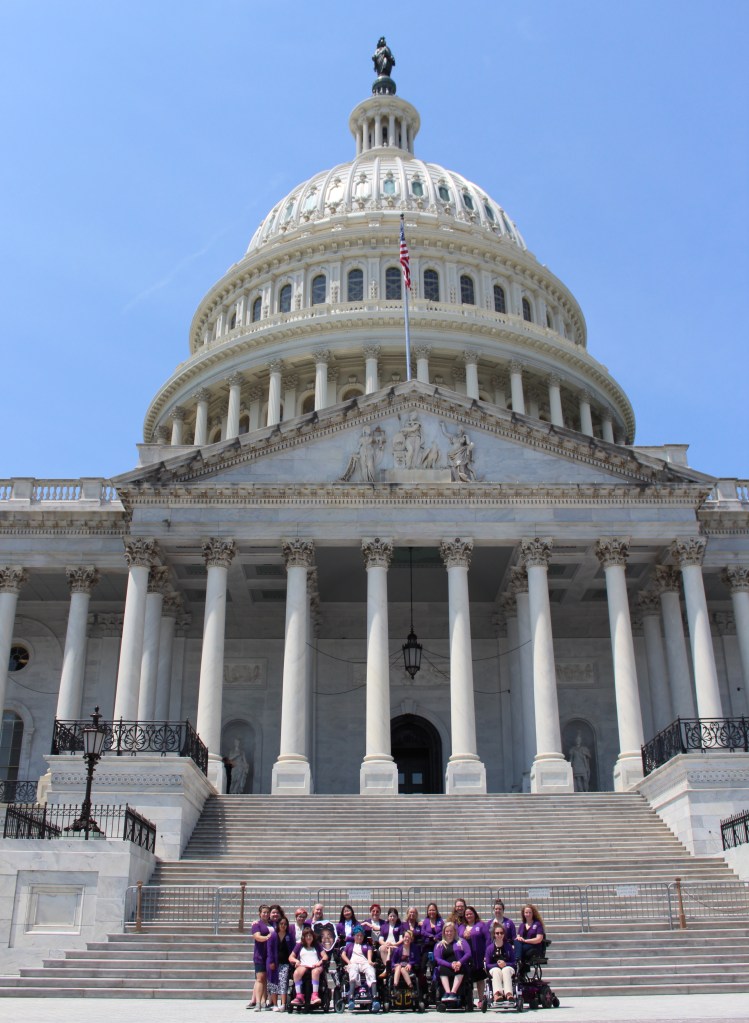
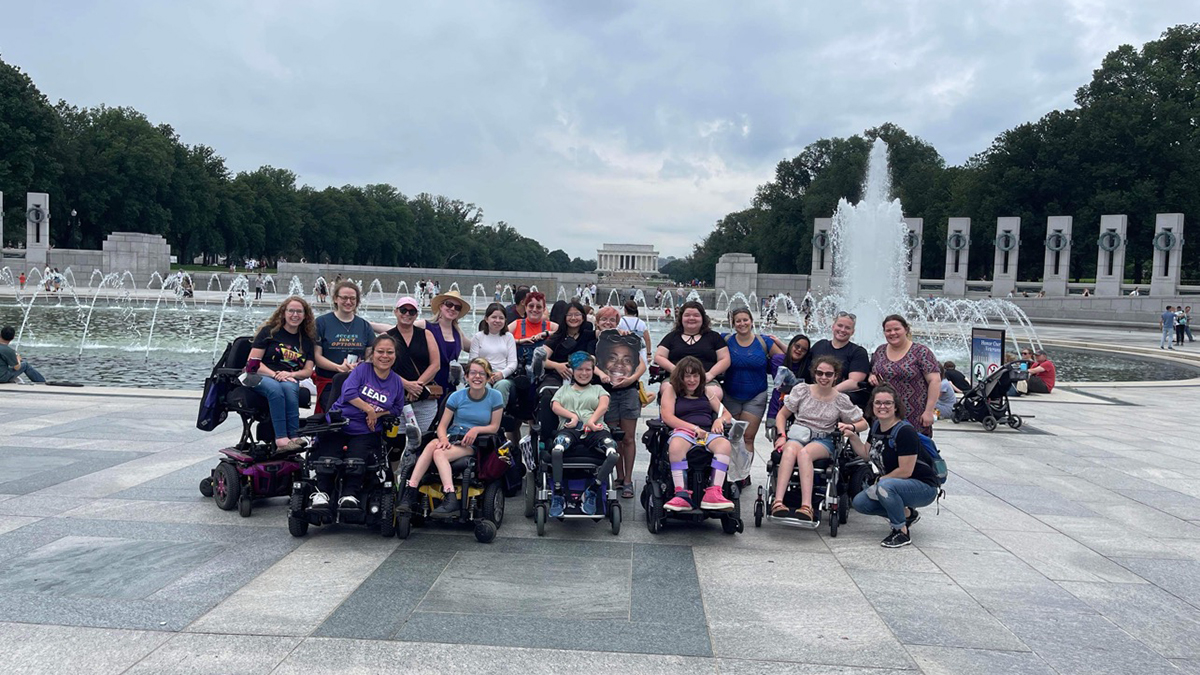
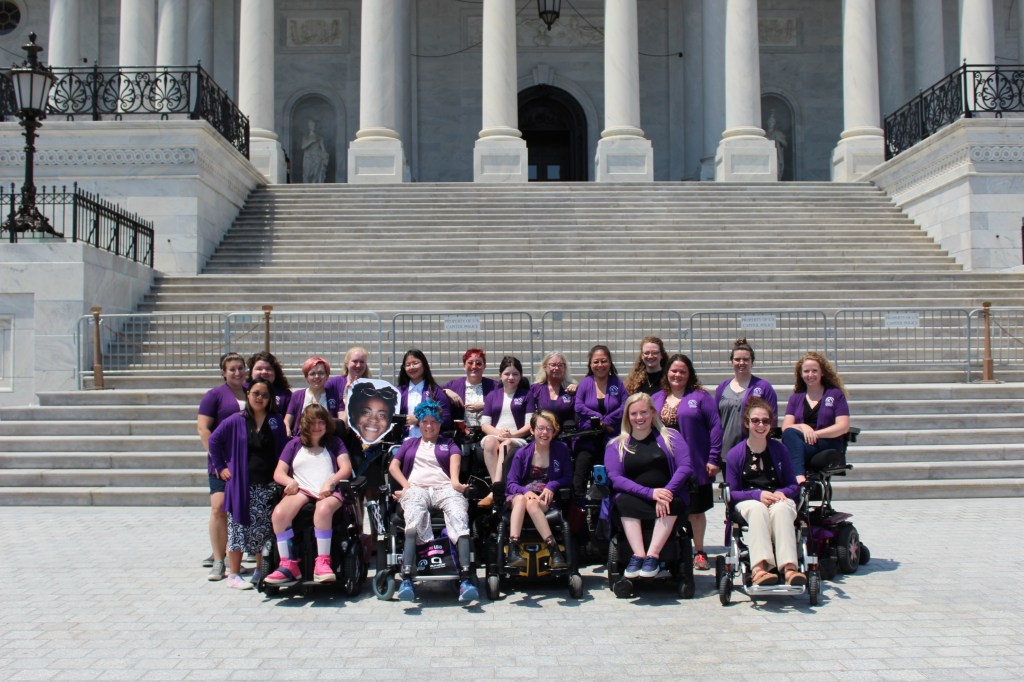
After a year of hard work, we all reunited in Washington, D.C., where the young leaders presented their projects, spoke with members of Congress about the importance of having disabled women leading in the community. Of course, had tons of fun too! I am so impressed by all that these young women have accomplished and how much of an impact they have had in their communities already.

Before they went home, each of them set goals for the next 1, 3, 5, and 10 years. Their goals ranged from educational, to work, to travel, and more. I cannot wait to see all the things that they accomplish!  I know that each of them truly will change the world! 

About Stephanie Woodward: Stephanie is a brand ambassador advisor for Quantum Rehab® and works as a disability rights activist. She has received many awards for helping communities become more accessible, as well as for her actions in fighting for the rights of disabled individuals as it relates to Medicaid and other support services. Click here to learn more about Stephanie.


For more great blogs from our brand ambassadors and Q Roll Models, visit lifeatilevel.com today!

Return to the Life At iLevel page
Return to Wheel Talk

Three Reasons Why I Use My Stretto Power Chair

There’s many different medical conditions that people can have. They may rely on wheelchairs for independence, function, safety, and quality of life. Personally, I am a power wheelchair user for three different reasons. Here are some ways my Stretto with iLevel® technology helps me in my daily life.

My Stretto Helps Me Conserve Energy

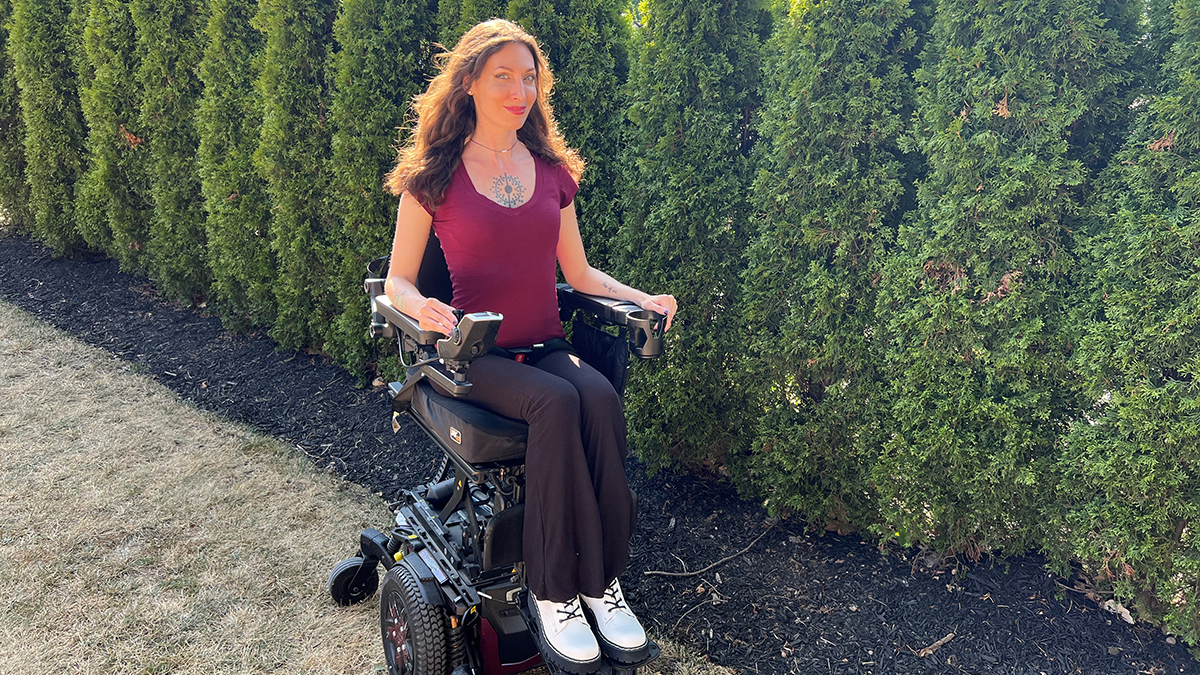
The first is Quadriparesis (weakness of all four limbs) caused by complications of spinal surgeries along with tissue and joint fragility from Ehlers Danlos Syndrome. Even though I have movement in all my limbs, I struggle with walking and using a rollator on inclines and uneven ground. Assisted walking requires energy that I don’t always have. My Stretto Power Chair helps me save my energy for physical therapy and limits my pain levels. It allows me to go from a sitting to standing position, as I cannot do this myself because of my body weakness. Using my power chair prevents dislocations and I feel useful at the grocery store when I can help “carry the heavy stuff” using bags that hang on my power wheelchair. 

My Power Chair Helps with Vertigo

Another reason why I use a power wheelchair is because I have vertigo from Chiari malformation (a neurological condition caused by EDS). There are many different types of vertigo.  People usually experience the dizzy kind after an ear infection because of fluid in the ears. What I have is “true vertigo,” because it’s from the brainstem/cerebellum where I’ve had surgeries. When you have Chiari, your whole sense of balance and equilibrium gets disrupted. This makes it pretty easy to fall. My power chair keeps me safe because I can drive over bumps without setting off my vertigo. Because of the suspension and shock absorption on my Stretto, I can drive my chair normally over bumps and experience no issues.

My Stretto Helps Me Recline Independently

The final reason I use a wheelchair is because I have POTS/Dysautonomia. Because of EDS, my blood pressure drops suddenly, sometimes causing me to become light headed or faint. The recline feature on my Stretto Power Chair has given me the ability to handle that independently. Before, I needed assistance with laying down, which was very problematic out in public. The articulating foot platform helps me with blood pooling that is also a part of having POTS.   

Mobility is a spectrum. Everyone with the conditions I’ve mentioned has unique needs. What may work for one person may not work for another, which is why we have mobility devices customized to meet our individual needs. For me, my Stretto Power Chair with iLevel technology has been a life saver. It gives me solutions for these symptoms that challenge my life, but don’t stop me from living it. 

Anomie Fatale: Anomie is a musician who performs at shows and open mic nights in Philadelphia. She is the current titleholder for Ms. Wheelchair Pennsylvania USA 2022 and is passionate about helping others. Click here to learn more about Anomie.


For more great blogs from our brand ambassadors and Q Roll Models, visit lifeatilevel.com today!

Return to the Life At iLevel page
Household Hacks for People with Disabilities

People with disabilities live in worlds (and often houses) that were not designed with them in mind. Out of what can be frustration and clunky attempts to make things work, emerges creative solutions, sometimes in the form of life hacks that make day-to-day tasks a bit easier.

I’m a disabled mom of three who works full-time, mostly from home right now, so I’m especially happy to find any tricks of the trade to make our household run as smoothly as possible. Here are a couple of low-budget items that our family uses on a daily basis.

Accessible Closets

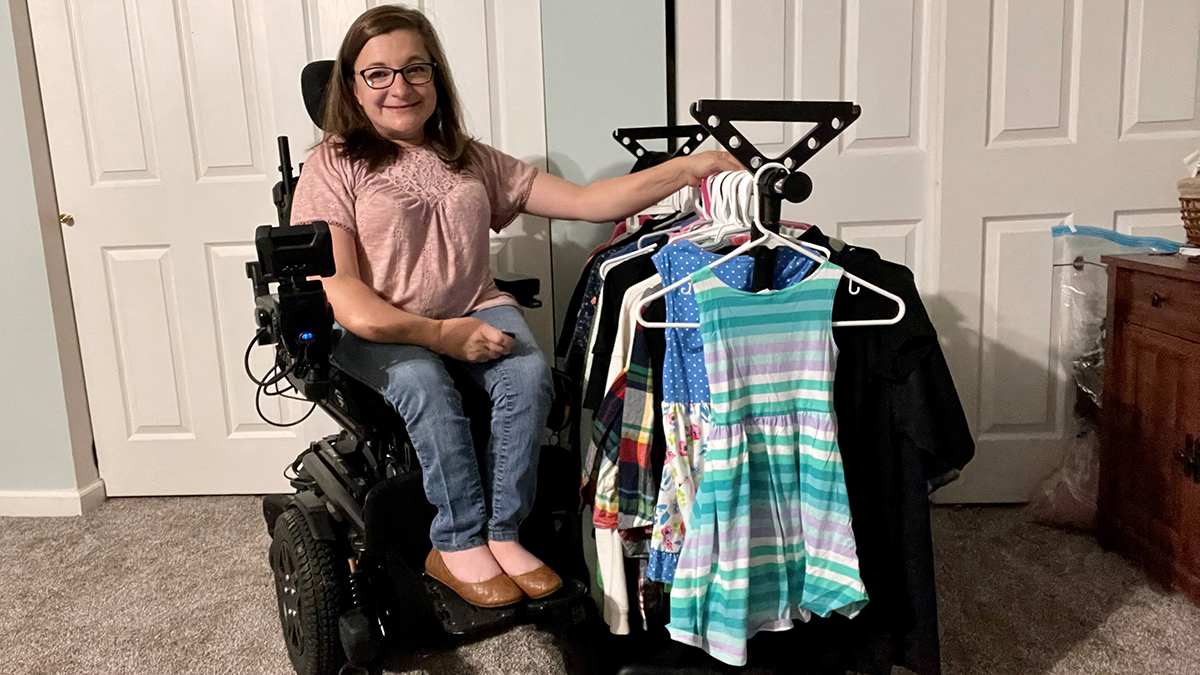
Our house is unique because it has four closets in one room, our master bedroom. When we put away laundry, we hang everyone’s clothes on one lower-hanging rolling rack and then everyone distributes their own clothes to their closets. Each person’s closet considers their height. My son, who is a little person, and our 5-year-old daughter, have rods they can reach. My Stretto Power Wheelchair with iLevel® technology allows me to reach everyone’s closet areas.

Moving Furniture Easily

Our living room is multi-purpose. I know we’re approaching the era of teens spending more time in their rooms, but I want to encourage our family to spend time together by creating spaces that work for all of us. Sometimes, this is as simple as moving some furniture. Yet, heavy lifting is not one of my strengths! Instead, we use these moving discs that sit under our furniture. This allows us to slide our furniture across the floor (carpet or hardwood) to change up the room to meet our needs.

I love learning about other people’s household hacks, whether they are useful items or effective systems. There’s increasing attention to how people with disabilities use everyday items to improve accessibility, like this article. Dr. Laura Maudlin recently published “Disability at Home,” which is a website culminating from her research exploring everyday adaptations. You can check out her website by clicking here. Follow me @karaayers on Instagram for more household hacks.

About Kara Ayers: Kara is a mother of three and lives in Ohio. She is an associate professor at Cincinnati Children’s Hospital and Medical Center. In 2021, Kara spoke to the Biden-Harris COVID-19 Equity Taskforce about the need for people with disabilities to access the COVID-19 vaccine. Click here to learn more about Kara.


For more great blogs from our brand ambassadors and Q Roll Models, visit lifeatilevel.com today!

Return to the Life At iLevel page
How to Protect Your Power Wheelchair When Traveling by Plane

The world seems to be picking back up again (not that there isn’t still a global pandemic). With that, summer vacationers are eager to get back in the swing of things and head out on planes, trains, and automobiles to make up for memories they may have missed over the past year or so.

photo of airplane wing
Photo by Matt Hardy on Pexels.com

For me, in addition to summer leisure travel, things are also picking back up for work travel. This means I’m back to being on airplanes. If you’ve been a mobility device user for any significant amount of time, you know that traveling by air with your device can be the most exhausting, even heartbreaking experience. There’s nothing like getting on a plane with your wheelchair still intact, then arriving at your destination to find it completely unusable. I’ve been there more times than I’d like to recall, and it never gets easier. In fact, many of us are working hard to ensure airlines are held accountable for damage like this.

For now, we have to work within existing systems to make sure those of us with disabilities can safely and comfortably fly, trusting that our mobility devices will be okay.  Recently, for the first time ever, I had to put my beautiful 4Front 2 Power Wheelchair on an airplane for the first time. Thankfully, I’ve done enough traveling with power wheelchairs in the past to have some tips in my toolkit for travel/wheelchair preservation when flying.

Here are a few ways to prepare for your airplane travel as a wheelchair user:

Aim to Fly Airlines with No Assigned Seating

This ensures you can sit in the front row of the plane, allowing more leg space and keeping people from squeezing by to get to middle or window seats. Southwest Airlines is an example of an airline without assigned seats.

Invest in TSA Pre-Check or Clear

Offerings like these eliminate the long security process for power wheelchair users. With Pre-Check, security only swabs my hands and wheelchair, they do not give a full pat down. I also can leave on my shoes and jacket. Plus, Leo my laptop, can remain in my carryon (unlike traditional security lines).

Pack your Own Transfer Device (Sling) to Ensure No Dropsies

I’ve been the unfortunate victim of being dropped by airplane employees, either while being transferred from my wheelchair to an aisle chair or from the aisle chair to the plane seat. A few years ago, I invested in a transfer sling by Adapts that allows people to grab the handles of the product and not my body. This makes for a much smoother transfer.

In my next post, I’ll share what to do upon arrival to the airport to make your travel smoother.

Click here to read part two of this blog.

About Andraéa LaVant: Andraéa is a disability consultant and worked as an impact producer for Crip Camp, a feature-length documentary on Netflix. Andraéa lives in California and uses a 4Front 2 Power Chair.


For more great blogs from our brand ambassadors and Q Roll Models, visit lifeatilevel.com today!

Return to the Life At iLevel page
Return to Wheelchair Accessible Travel

Where We Go from Here: The Americans with Disabilities Act

July 26, 2022, marks the 32nd anniversary of the Americans with Disabilities Act. Every year, the disability  community celebrates this day because the ADA is a declaration of equality for people with disabilities. Much has changed for the better, with increased access and greater opportunities for disabled individuals. Yet, after 32 years, there is still work to be done. This year, our brand ambassadors and Q Roll Models reflect on the ADA. They share how the Americans with Disabilities Act has improved their lives and discuss ways in which access and inclusion need to improve.

How the ADA Makes Living Easier for Wheelchair Users

In her newest blog, Q Roll Model Sakina Shamsi shares examples of how the ADA has made her life easier. Recently, Sakina and her family attended an event where they were unable to access the building because tents blocked the wheelchair ramp. Sakina would have had to remain out in the parking lot with her power wheelchair. “It was because of the ADA that we were able to contact the local authorities who came and required them to provide access into the building.” Click here to read more about Sakina’s thoughts on the ADA.

Teaching Disability History in Schools

opened book
Photo by Victor on Pexels.com

Although Riley Hurt is grateful for all the freedom the ADA regulations and her narrow Stretto Power Wheelchair provide, building safety and equal employment access are not guaranteed. Riley says that lawmakers are not as vocal as they should be when it comes to disability rights. Plus, Americans are not educated about disability history or equal access laws like the ADA, as well as other topics, such as eugenics, the 504 sit-ins and much more. Click here to read Riley’s blog.

How to Educate Others on Access

Even with ADA regulations, many businesses and restaurants are ignorant of the ADA or just blatantly disregard it. Brand ambassador Josh McDermott wanted to try a new restaurant with his friends. When he tried to access the patio area of the restaurant, there was no wheelchair ramp. Josh told the manager where he could buy a folding wheelchair ramp and that Josh would return to the restaurant soon with his friends. A few days later, they arrived and discovered that the restaurant had done nothing to improve the accessibility. Although Josh had given the business ample time and leeway to fix the problem, he ended up reporting the restaurant and it was cited for not being ADA compliant. “As far as ADA has come, there’s still a long way to go,” Josh writes. Click here to read Josh’s blog.

These are just some examples on ways the ADA has impacted the disability community. And although we have a long way to go before achieving perfect inclusion and accessibility in society, there is still much to be thankful for. Happy 32nd anniversary to the ADA!


For more great blogs from our brand ambassadors and Q Roll Models, visit lifeatilevel.com today!

Return to the Life At iLevel page