Disabled Women Make History (and Art!)

To celebrate the 23rd anniversary of Olmstead, my organization, Disability EmpowHer Network, collaborated with Toledo Museum of Art and the Ohio Olmstead Taskforce to create a really cool new event called Disabled Women Make History (and Art): A Celebration of the 23rd Anniversary of the Olmstead Decision! This fantastic event took place in the Glass Pavilion of the Toledo Museum of Art on Friday, June 24th, 2022.

Celebrating Disabled Women Artists

We celebrated disabled women artists, including Lois Curtis, also known as “L.C.” as in Olmstead v. L.C.  On June 22, 1999, the United States Supreme Court held in Olmstead v. L.C. that unjustified segregation of persons with disabilities constitutes discrimination in violation of Title II of the Americans with Disabilities Act. The Court held that public entities must provide community-based services to persons with disabilities. The two plaintiffs in this case were both disabled women; one of the women, Lois Curtis, is an artist herself, and we honored her contributions to disability rights and to art by screening her documentary The Art of Being L.C.! We also celebrated other disabled women artists and the incredible impacts they make on the world through their art and advocacy! 

Submissions from Disabled Women Artists

We invited disabled women artists of all skill levels to submit their artwork for consideration to be displayed during the event, and we received an overwhelming number of submissions! In the end, we selected seventeen pieces to feature and many of the artists joined us in person for the event! We had artists as young as 16 displaying their pieces, and for many, this was the first time they’ve ever shown their art publicly! The art ranged from scenic to ceramic to artistic activism and more. We also had one young high school student perform poetry at the event!

This was the first event of its kind and hopefully it will not be the last! We had almost 100 people attend the event and the responses have been overwhelmingly enthusiastic and positive. We are looking forward to planning another great event next year!

About Stephanie Woodward: Stephanie is a brand ambassador advisor for Quantum Rehab® and works as a disability rights activist. She has received many awards for helping communities become more accessible, as well as for her actions in fighting for the rights of disabled individuals as it relates to Medicaid and other support services. Click here to learn more about Stephanie.


For more great blogs from our brand ambassadors and Q Roll Models, visit lifeatilevel.com today!

Return to the Life At iLevel page

Return to Wheel Talk
How to Go Above and Beyond the ADA

As a person with a disability, it doesn’t take long for me to look around an establishment and notice opportunities that can make life a little easier for those in a wheelchair. I noticed that when I was on the east coast and closer to metropolitan areas, various establishments had shown themselves to be a little more accommodating to those with disabilities. When I relocated to the west coast in a suburban area, I faced a lot of challenges. Some of the local businesses were not quick to make any changes based on my recommendations.

Educating Business Owners

I moved from a previous neighborhood because the slope of the driveway was so high that my old wheelchair would get stuck.  When I moved to my current neighborhood, I partnered with the builder to explain my needs, as well as the needs of current disabled customers and potential home buyers, whom may utilize a wheelchair or walker.

Accessible Doorways

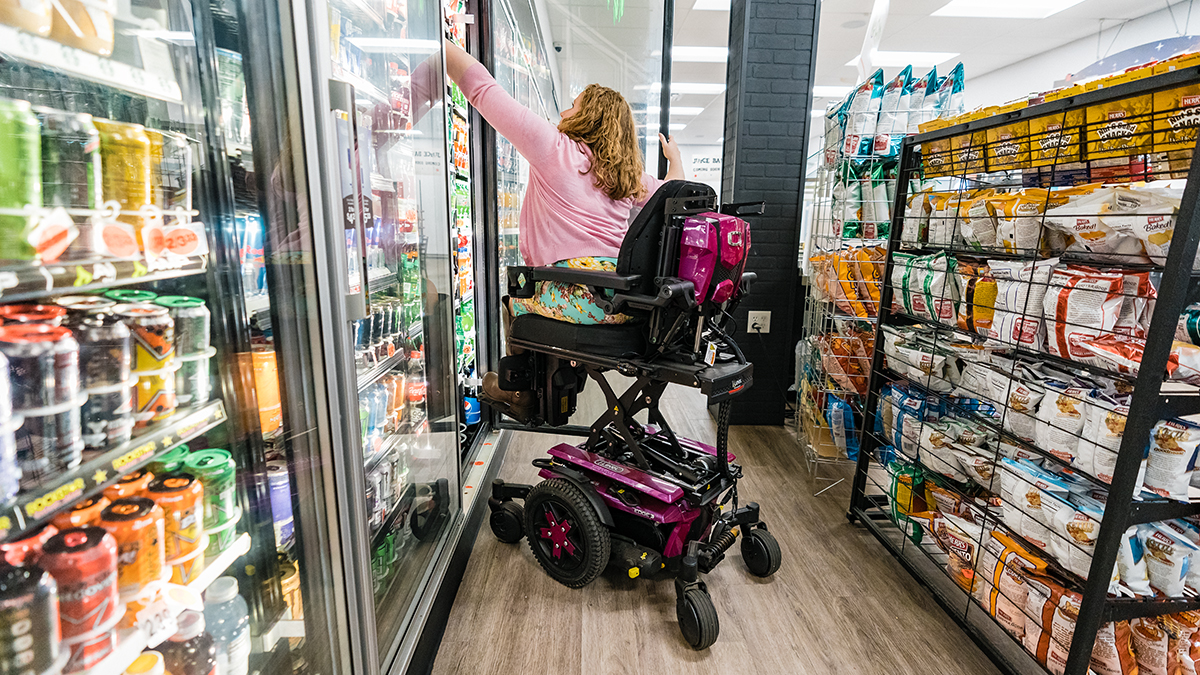
I was really shocked when I noticed the lack of ADA door push plates on the west coast. When I see a company that has an ADA push plate, I perk up a little. It’s great to know that they thought of people like me when designing their establishment. That place becomes welcoming instantly, and I am more than willing to support a business that invites me in with accessible features. Although it seems minor to have a push plate, it can really make or break a person’s day, or even their spirit.

A Bad Experience Becomes a Moment of Education

This positive experience followed a very painful one just a week before. I was outside of a very important doctor’s appointment for almost an hour, knocking and calling. There was no staff assigned to the door. It wasn’t until a patron of the establishment was walking out and held the door for me that I was let in. When I gave the receptionist my name, I was advised that I missed my appointment due to no fault of my own. I scheduled a meeting with the manager, expressed my concerns, and provided feedback on how to make minor updates that will welcome everyone, not just abled bodied people that can grab a door and let themselves in. Before the meeting ended, I recommended to the manager the idea of assigning a representative from the company to check the door and the perimeter for people who may be coming in.

The American with Disabilities Act provides civil right protection to ensure that people with disabilities have the same rights and opportunities as other people. Once companies see the value in this partnership, the public will view them differently. When I see an establishment that is ADA compliant, I send the word out in the community that they are an ally for those of us that are disabled. The minor changes that can be made are usually inexpensive and will not only support those with disabilities in some situations but also our aging adults. There is value in being an inclusive company, as it’s one of the best ways to have everyone talking about your business. Society sees that those with disabilities have a voice and can be influential, both socially and politically.

About Merlisha Henderson: Merlisha uses an Edge 3 Power Wheelchair for mobility and lives in Arizona with her family. As a wife, mother and disability advocate in her community, she stays active and independent, working toward bringing equality and access to all. Click here to learn more about Merlisha.


For more great blogs from our brand ambassadors and Q Roll Models, visit lifeatilevel.com today!

Return to the Life At iLevel page

Why Access is Important and How to Educate Others

This month is the 32nd anniversary of the Americans with Disabilities Act. Recently, I had an experience at a local restaurant down south. I had to make my voice heard so that I would be able to access a certain part of their facility. My friends came down to visit me over Memorial Day weekend and they found a restaurant they wanted to try. The restaurant was three stories tall and did not have any information about wheelchair accessibility. So, I decided to go down to the place beforehand to scope everything out, just to make sure that they were wheelchair accessible.

Scoping the Restaurant Out

When I arrived, they had a restaurant downstairs, a restaurant/bar on the second floor and a sports bar with an outdoor patio on the third floor. Knowing my friends, they’d want to go to the third-floor sports bar and outdoor patio. The hostess was nice enough to hold the elevator for me and up I went to the third floor. When I got to the third floor, everything was accessible until I tried to go out to the outdoor patio. They had two steps going down, so I politely asked the bartender if she could grab the ramp, figuring that they had a portable ramp that would allow me to get down the two steps. The bartender never came back, and a manager came up to apologize to me that they did not have a ramp to go down those two steps.

Giving Businesses a Chance to Fix the Problem

I always take these situations with a grain of salt. Although it’s frustrating, it is not the end of the world to me because I use this opportunity to educate people. So, I gave the manager a local dealership that they could contact to purchase a portable ramp for a couple hundred dollars. I told the manager that I would be back on Sunday with my friends. He said they would have the ramp and everything would be good by Sunday and was very apologetic for their lack of accessibility out to the back patio.

Failing to Provide Access

So, Sunday afternoon, me and five of my friends arrive at the sports bar. They had not purchased the ramp. This was frustrating on my end because I felt like my friends couldn’t experience the sports bar because of my needs. Thankfully, I have good friends who are very understanding, and we ended up going to a completely different place. Still, I was very disappointed that nobody from this restaurant tried to get me a ramp, when they knew I was coming back and bringing multiple people with me to spend money at their restaurant. All places should be wheelchair accessible, not just for me but every wheelchair user who wants to go to this bar and watch a game.

We Have a Long Way to Go

I was so annoyed with how this experience turned out that I contacted the mayor of the town where the restaurant was located. Someone from the town cited the restaurant and fined them for not being fully accessible and ADA compliant. My plan is to give it a week or two and then I’m going to go back to see if they actually follow through with purchasing the ramp.

As far as ADA has come, there’s still a long way to go. I’m very thankful that I have good friends who are understanding and can go with the flow when these things happen. In the end, we still had a great time at a different restaurant and that is what matters.

About Josh McDermott: Josh is a brand ambassador for Quantum Rehab®. He is a public speaker and has served as a goodwill ambassador for the Muscular Dystrophy Association. Josh lives in New York and loves to travel. Click here to learn more about Josh.


For more great blogs from our brand ambassadors and Q Roll Models, visit lifeatilevel.com today!

Return to the Life At iLevel page

Click here to return to “Where We Go From Here: The Americans with Disabilities Act.”

Anomie Fatale is Singing Her Heart Out

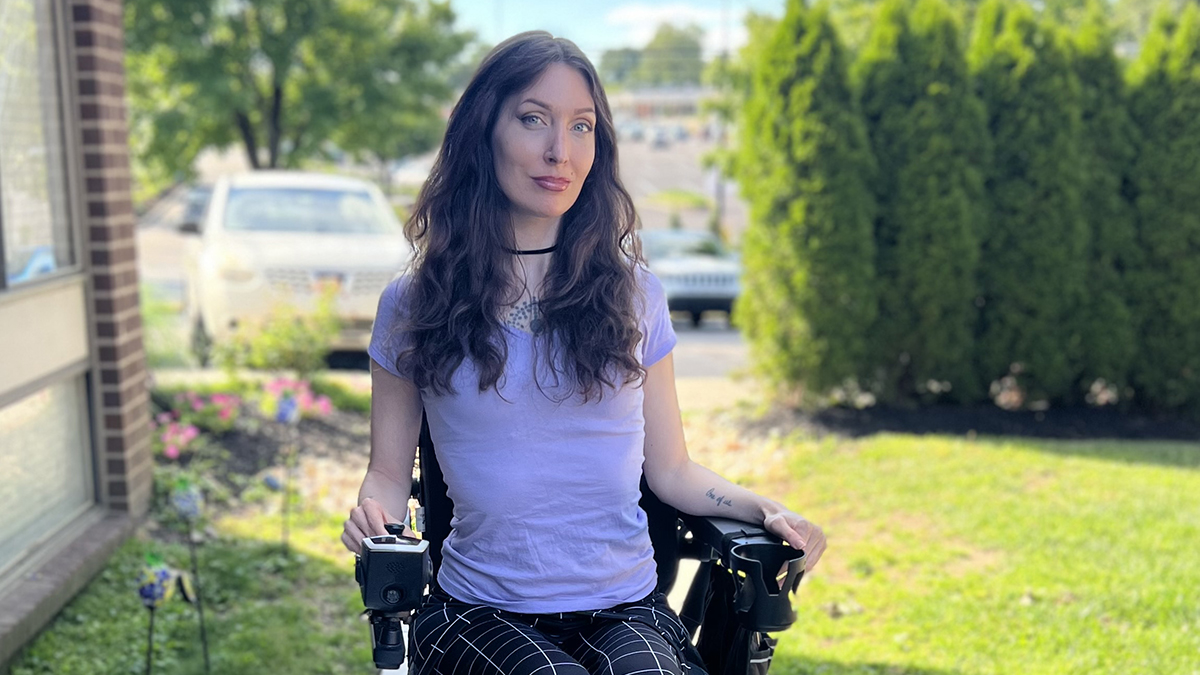
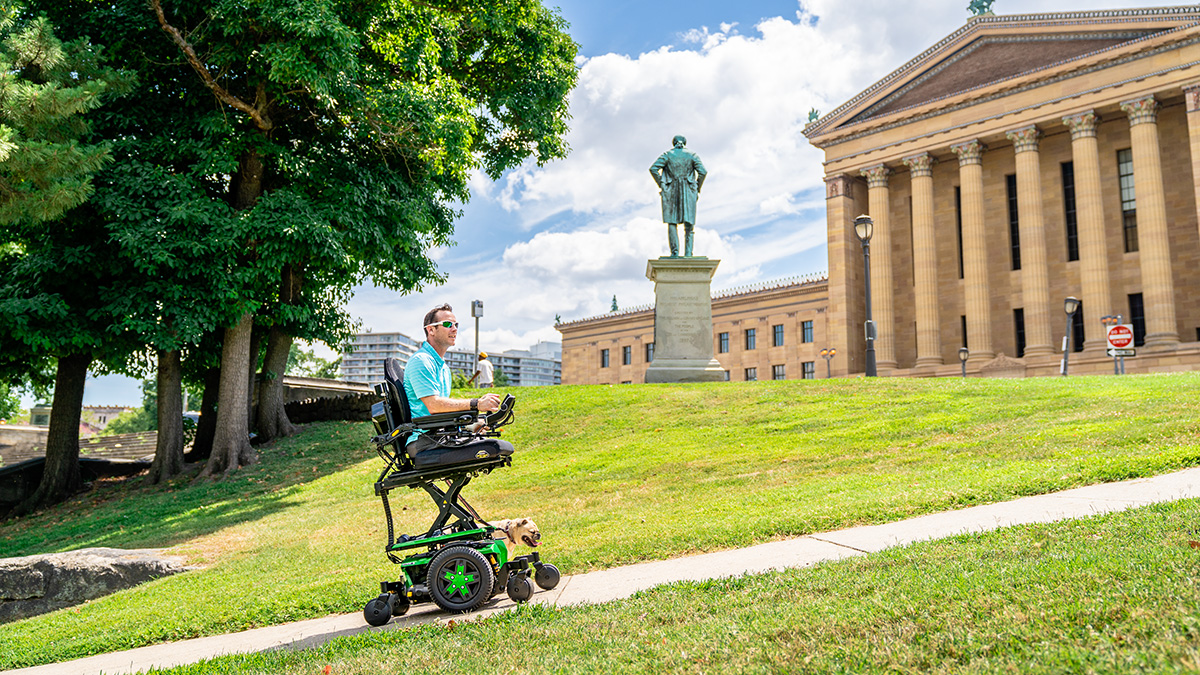
As a singer and musician, Anomie Fatale is hitting all the right notes. She grew up in New Hope, Pennsylvania, and was diagnosed with Ehlers Danlos Syndrome, a genetic connective tissue disorder that typically exhibits itself later in life. She became disabled at age 20 due to complications from surgeries for Chiari malformation and a tethered spinal cord. Later, Anomie moved to Philadelphia to experience a more accessible and independent lifestyle. With the help of her Stretto Power Chair, she is thriving in her music and efforts to support her local community.

Comfort and Her Stretto Wheelchair

Because of her disability, comfort is extremely important to Anomie. The recline feature on her Stretto Power Wheelchair is essential to her ability to get out and about. No matter what terrain she faces on the streets of Philly, independent SRS on her Stretto ensures a smooth ride.

“The shock absorption is amazing,” Anomie said. “I can go at higher speeds and over bumps.”

Although Anomie is somewhat ambulatory without assistive technology, it is difficult for her to move from a sitting to a standing position without help from others. iLevel® technology on her power wheelchair allows her to elevate freely and without pain.

“In my home, it gives me the ability to do so much more independently and safely,” Anomie said.

Staying Active in Her Community

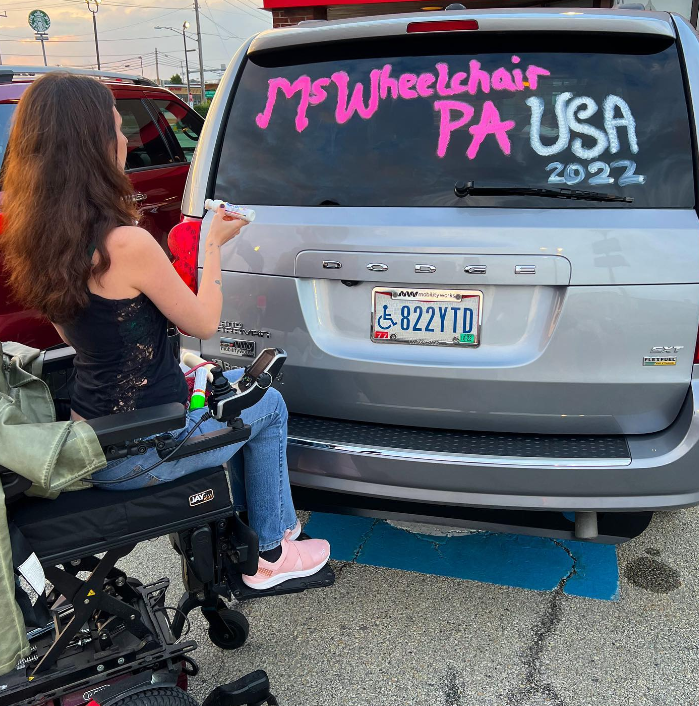
Anomie has overcome many challenges in her life, and music serves as an outlet for her. In 2016, she put out a solo album called “I AM Great Neck,” and continues to perform at shows and open mic nights around Philly. She has been featured on NPR Radio and in the Philadelphia Inquirer. Currently, Anomie is the titleholder for Ms. Wheelchair Pennsylvania USA 2022.

In addition to her music, Anomie is passionate about helping others and supporting her community. Recently, she wrote an op-ed piece for whyy.org on disability pride, and how the disability community has persevered in the wake of COVID-19. Anomie explained that this year’s disability pride was not only a celebration of disability identities, but a celebration of life and survival.

“Many of my friends are wheelchair users; we have a very strong community here in Philly with lots of accessible events,” Anomie said. “I’m proud to be a part of that.”


Return to Testimonials

How the ADA Makes My Life Easier as a Wheelchair User

In honor of the 32nd anniversary of the Americans with Disabilities Act, I wanted to write about all the little things that make life in a wheelchair easier thanks to the ADA. By definition, “the ADA prohibits discrimination on the basis of disability in employment, state and local government, public accommodations, commercial facilities, transportation, and telecommunications.” In other words, the ADA entails everything that helps wheelchair users survive in public.

Using the Law to Demand Access

Without the ADA and the requirements they provide by law, I would have had to spend a religious holiday in the parking lot because the facility that we were visiting had set up tents and blocked the ramp into the building. It was because of the ADA that we were able to contact the local authorities who came and required them to provide access into the building. Not only has the ADA gotten me out of some very sticky situations, it also helps me live as a normal 14-year-old.

Accessible Public Areas

I wouldn’t be able to go anywhere without curb cuts in sidewalks and entrances to buildings. They are there for a reason and they help people in wheelchairs get to places. On that same note, automatic doors allow me not to have to wait for somebody to hold the door open for me. I can go in and out of places whenever I want. Most hotels have accessible rooms and easy access elevators that allow my Stretto Power Wheelchair to move around with ease. All the schools in my district are incredibly disability friendly. There are elevators and ramps and other shortcuts around the school that help make it easier for people in wheelchairs to navigate.

Wheelchair Accessible Parking

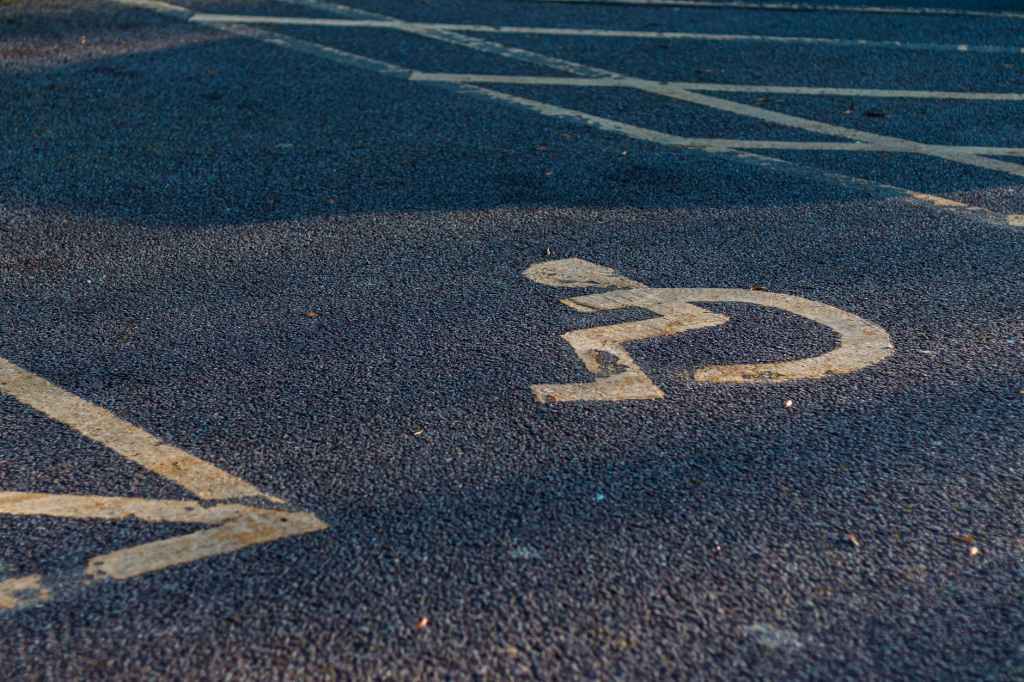
international symbol of access on asphalt
Photo by Jakub Pabis on Pexels.com

One feature of the ADA which gets misused often is accessible parking. When people can’t find a spot to park in, they opt to park in the accessible parking spaces. What they don’t realize is that people actually need these spaces. Not only that, but they could also face serious consequences for using the parking spot without a handicap license or tag.

While these are just some of the very few things that the ADA has implemented, they have all made my life easier. I don’t know what I would do without the ADA!

About Sakina Shamsi: Sakina lives in New Jersey with her parents and brother. Although she has spinal muscular atrophy type II, Sakina lives a full and independent lifestyle. She is active in the disability community and enjoys horseback riding, baking and crafting. Click here to learn more about Sakina.


For more great blogs from our brand ambassadors and Q Roll Models, visit lifeatilevel.com today!

Return to the Life At iLevel page

Click here to return to “Where We Go From Here: the Americans with Disabilities Act.”

Getting Maintenance Done When You Have a Conversion Van

When it comes to getting around in a car, I’m thankful to have a side entry minivan with electronic controls that I can drive. I can remain in my Edge® 3 Power Wheelchair and operate the vehicle too. all by myself all from my quantum edge 3 I level power chair. If you are in a wheelchair like me and you drive with a conversion vehicle, I’m sure you dread any kind of maintenance that needs to be done, especially when it comes to the hand controls.

The Need for an Oil Change

Recently, my oil change and check engine light came on and I faced a challenge. My van is a lowered floor conversion van. To get an oil change done on any vehicle, usually you have to put that vehicle on a lift at a garage. Plus, my nearest ramp conversion vehicle dealership was over 200 miles away from my current location. I didn’t really want to drive all that way just for an oil change.

Finding a Dealer to Help Me

I went to a couple dealers, including my local Dodge dealership and the manager was hesitant about putting my vehicle on a lift due to my floor being lowered. I knew that there had to be a solution, so I went online. I found a small, franchised chain of oil service centers that offer in your car oil changes. They had a location that was about 20 minutes away from where I was staying, so I decided to drive over there and see if they could assist me.

Drive Up Service for Wheelchair Accessible Vans

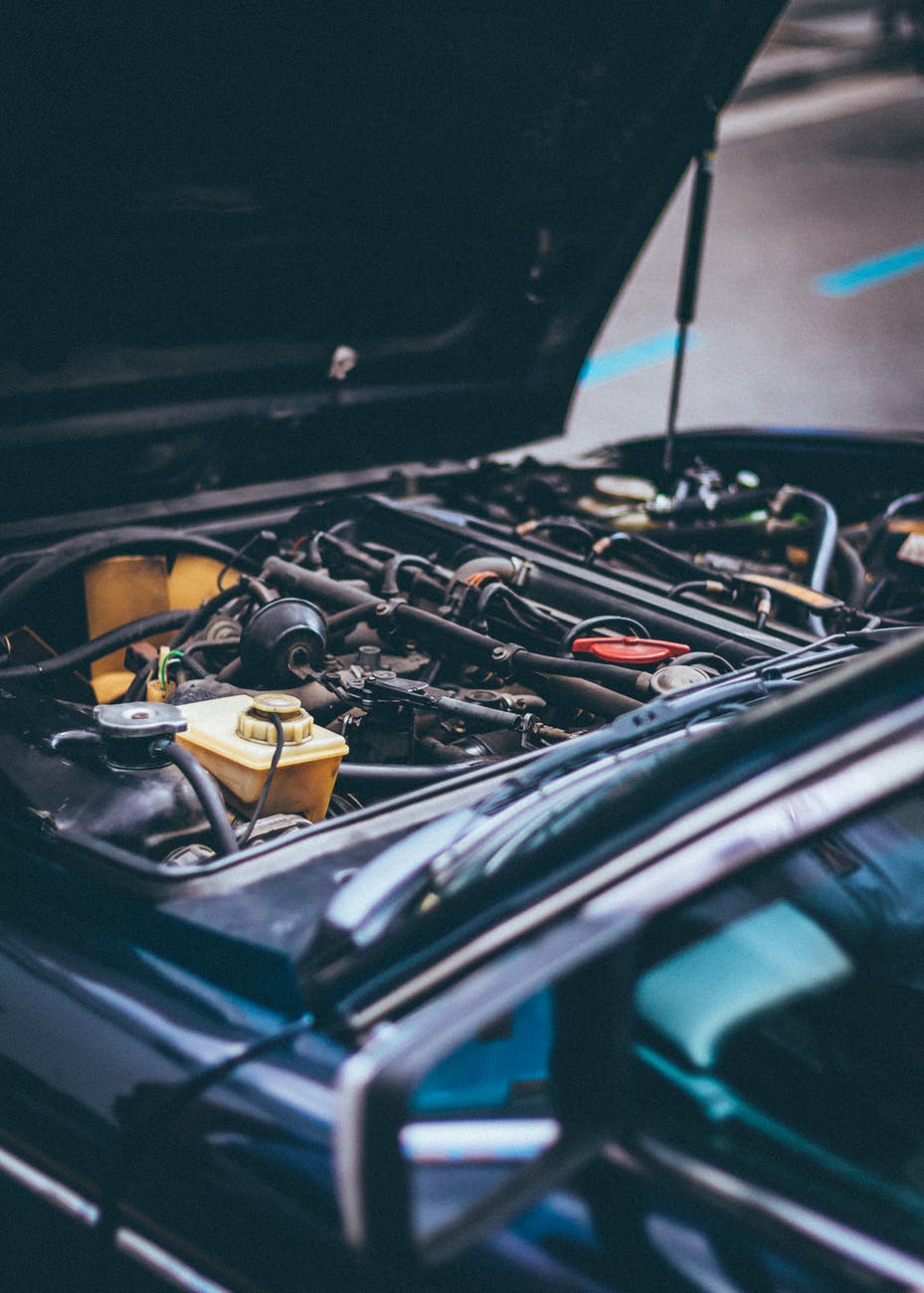
close up photo of vehicle engine
Photo by George Sultan on Pexels.com

When I arrived, a gentleman came out right to my car window. I explained the situation with my hand controls and he said that they don’t even have lifts in the garage. They have little sunken areas in the floor that you drive your car over and you can stay right in the vehicle while the technician underneath you completes your oil change. I was relieved because I had been dreading my van going up on a lift. The staff was extremely patient, and they went above and beyond even checking my other levels of fluid in my van and filling up my windshield washer fluid.

So, if anybody out there that has a lowered floor conversion van, I recommend looking into a garage or service that has the option for drive up service, allowing you to stay in your car while they service it.

About Josh McDermott: Josh is a brand ambassador for Quantum Rehab®. He is a public speaker and has served as a goodwill ambassador for the Muscular Dystrophy Association. Josh lives in New York and loves to travel. Click here to learn more about Josh.


For more great blogs from our brand ambassadors and Q Roll Models, visit lifeatilevel.com today!

Return to the Life At iLevel page

I Live in a Post-ADA Society and it Doesn’t Work

As we celebrate the 32nd anniversary of the Americans with Disabilities Act, there’s much to be thankful for, yet we still have work to do.

What I Like About the ADA

I like the public infrastructure and building safety aspects. Having the freedom to go anywhere and access any building is essential to me. Regulations ensure that wheelchair users and people with limited mobility can access buildings, ATMs, public transportation and a variety of other public spaces. With these regulations, I do not have to plan my path in advance or feel discouraged from leaving my home. I feel confident knowing the ADA includes specific building codes and construction regulations. This safety is not common in other countries. My hope is that citizens of other countries will advocate for laws similar to the ADA.

What I Use in My Life

While I am protected by every aspect of the ADA, there are a few recent moments in my life that have made me thankful for specific parts. The right to equal hiring and reasonable accommodation is a very important one to me. As a teenager entering the workforce, I do not have any specialties or a degree yet. As a result, most managers consider teenagers to be cheap and available labor. Most of the jobs, however, are fast food or retail and require the employee to lift 15 pounds or climb a ladder. After noticing this, I educated a potential employer about my rights to equal access and was offered a job.

What Needs to Change

Building safety and equal employment access are not guaranteed, much like any other area of the ADA. Lawmakers tend to stay quiet about disability rights, which harms the disability community. There is still work to be done, and currently, equal access rights and the right to privacy is threatened by the overturning of Roe v Wade. Here are some areas I think could be improved or implemented.

Most Americans do not have much education about disability history or equal access laws like the ADA. Disability is left out of many history curriculums in schools. These topics include eugenics, the ugly laws, the 504 sit-ins, and more. The socioeconomic status of disabled American citizens remains low, which prevents many from pursuing legal action if they are discriminated against. Infrastructure and building regulations within the ADA should be updated to include new solutions to modern problems.

About Riley Hurt: Riley lives in Salem, Oregon, and uses a Stretto Power Wheelchair for mobility. Riley is enrolled in college, pursuing electrical and computer engineering. She hopes to make her future field more inclusive for people with disabilities. Click here to learn more about Riley.


For more great blogs from our brand ambassadors and Q Roll Models, visit lifeatilevel.com today!

Return to the Life At iLevel page

Click here to return to “Where We Go From Here: The Americans with Disabilities Act.”

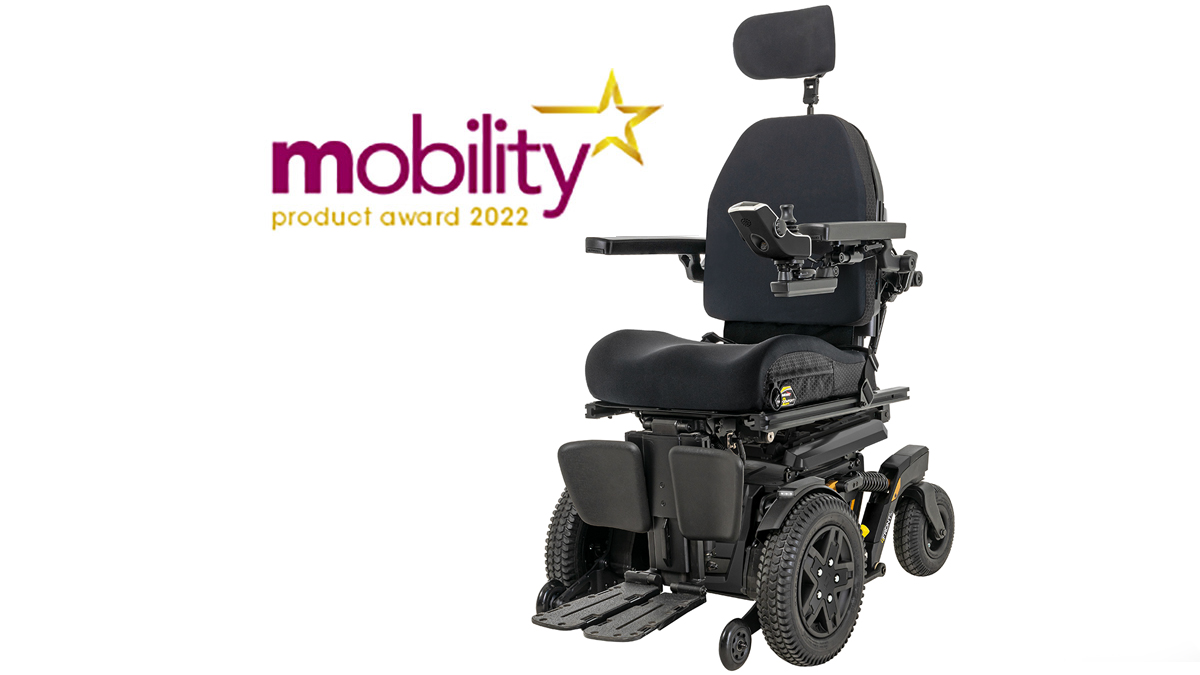
4Front® 2 HD Named Mobility Management Mobility Product Award Winner 2022

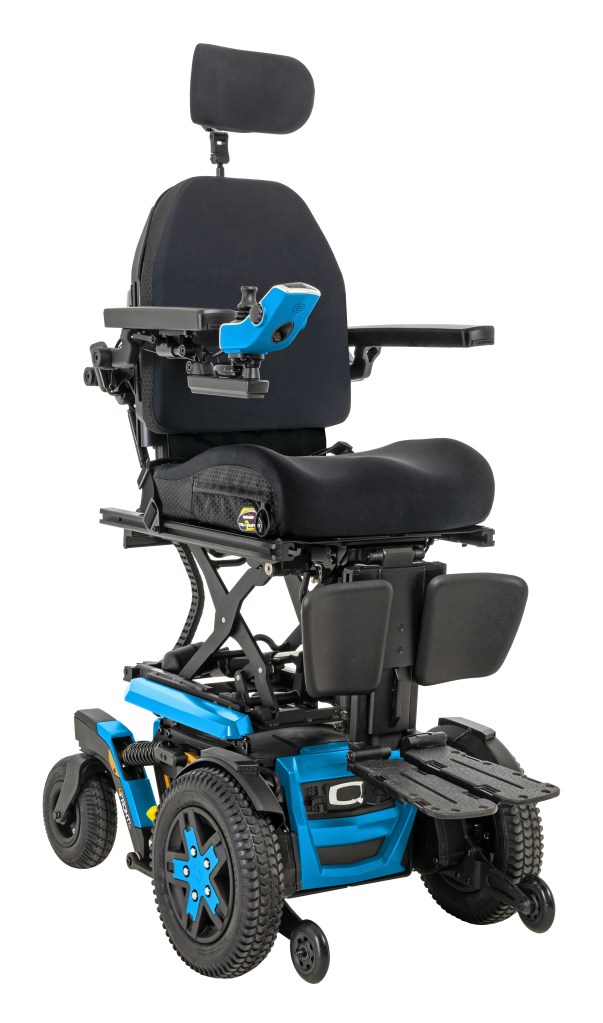
Mobility Management magazine has named the 4Front® 2 HD Power Chair one of the winners of its Mobility Product Award 2022 contest. The 4Front 2 HD is a winner in the Wheelchairs, Power: Group 3, Multiple Power category.

The Mobility Product Award program was launched in 2019 to honor outstanding product and technology development by Complex Rehab Technology and mobility/accessibility manufacturers.

“This year’s judges were impressed not only by the functionality of the winning entries, but also by the innovation and evolution of many entries,” said Laurie Watanabe, Executive Editor of Mobility Management. “It’s wonderful to see engineers and manufacturers working so hard not just to meet the needs and goals of seating, mobility, and accessibility consumers, but also to anticipate their future needs and goals, and to demonstrate how technology can improve quality of life and functional outcomes.”

In addition to being honored with awards, the winners will be highlighted in the July/August 2022 issue of Mobility Management magazine and featured on the brand’s website, www.mobilitymgmt.com.

How Society Perceives Assistive Technology

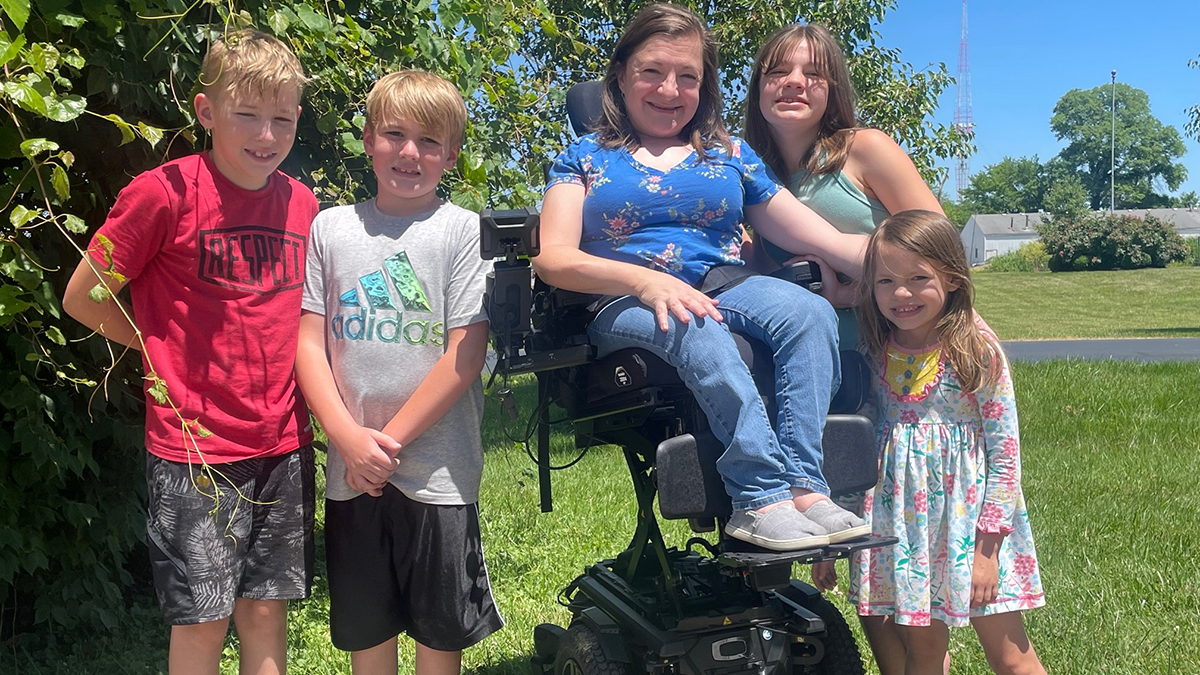
I’m both a disabled person and someone who professionally studies the way we learn, think, speak, and teach about disability, whether we intend to or not. I’m sometimes asked by parents or even kids if my husband and I, both wheelchair users, allow our kids, family members to “play” with our wheelchairs. The answer might surprise you: It depends.

How We View Mobility Equipment

In our house, we see mobility equipment as tools for independence. We’re grateful to have access to these tools because we know so many people do not. In the same way my 15-year-old describes a cool car he’s seen, we marvel at new models of wheelchairs. We definitely do NOT ascribe to the idea that wheelchairs are scary, off limits, or something to fear. For this reason, sometimes our own children, nieces, nephews, cousins, do give our wheelchairs a try. We’ve hosted pick-up wheelchair basketball games in our driveway or warned (too many times to count) not to lean back in our lightweight manual chairs before they inevitably crash (hopefully on carpet).

Using Wheelchairs to Educate Others

Wheelchairs are awesome. They can be fast and fun. That sometimes surprises people and I love the chance to challenge people to think about why that surprises us. We want the kids who grow up with and around us to see this side of wheelchairs. With any luck, they’ll go on to challenge others to question why they think of wheelchairs as anything but offering freedom. With more than 15 nieces and nephews alone, our crew could make quite the impact! There are exceptions to what and when we play.

Playing with My Stretto Power Wheelchair

My Quantum Stretto Power Chair is strictly off limits for play or test drives. I’ve learned that developing finesse for driving takes some time and skill. A chair of this size could really injure a person or pet, not to mention my drywall! So as much as it pains me to say, it’s safety first. This doesn’t mean it’s not possible to play with a power chair. As long as I’m at the joystick, time trials or cone races are possible. The kids can pick their wheeled device of choice: bike, scooter, roller skates (we’ve got them all) and it’s on!

Setting Boundaries for Our Equipment

Everyone defines their own boundaries with their medical equipment. An important boundary for us is when any nondisabled person is trying out a piece of equipment, they must immediately return it when it is requested. This helps emphasize that our tools (much like our bodies) are ours and when we need them, playtime is over. This also differentiates them from forementioned wheeled devices because there are important distinctions.

These rules work for us right now. Who knows what they’ll look like in a few years. I’d love to hear how you’ve navigated the boundaries of play and necessity @KaraAyers on Instagram or @DrKaraAyers on Twitter.

About Kara Ayers: Kara is a mother of three and lives in Ohio. She is an associate professor at Cincinnati Children’s Hospital and Medical Center. In 2021, Kara spoke to the Biden-Harris COVID-19 Equity Taskforce about the need for people with disabilities to access the COVID-19 vaccine. Click here to learn more about Kara.


For more great blogs from our brand ambassadors and Q Roll Models, visit lifeatilevel.com today!

Return to the Life At iLevel page

Summer is Here: Hot Grilling Tips for Wheelchair Users

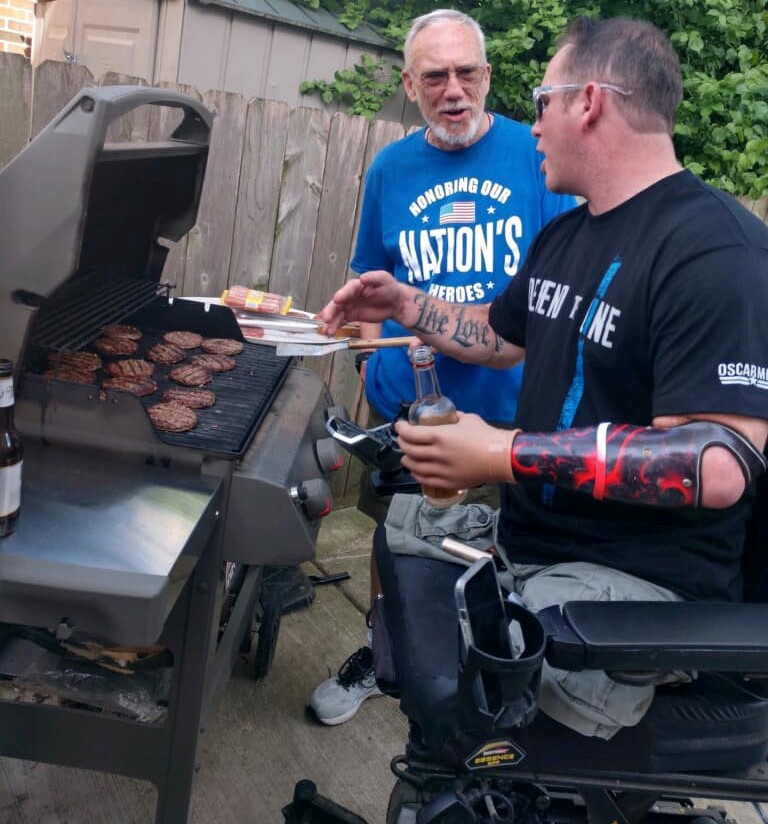
It’s summer now, which means it is prime grilling season! Most of you have seen my posts about grilling. I love it. It’s simple, quick and easy. Cleanup is minimal. Honestly, I think the food just tastes better when cooked on a grill.

If you enjoy grilling or want to get the most out of your summer grilling experience, here are some great tips on how to cook safely and make delicious food for your friends and family.

Keep the Grill Clean

Before you start cooking, brush the grill clean while it’s hot. A clean grill is a lot easier to work with. Empty the grease tray regularly. If not cleaned, the buildup can then act as fuel and catch fire while the grill is in use. Then, once you’re done cooking, brush the grill again before you turn it off. That way, it’s ready for your next use.

Stay Safe When Using Gas Grills

If you have a gas grill, make you sure you turn the gas off when you’re done cooking. Check your gas line for any leaks. A leak can cause propane or natural gas to build up inside the grill when the lid is closed.

Use Good Quality Grilling Utensils

If you plan to do a lot of grilling, it’s a good idea to invest in high quality grilling utensils. These make cooking easier to handle. A metal spatula, tongs and fork are good staples. You should consider purchasing a grilling basket as well, which is great for cooking vegetables or fish.

Follow these simple rules and your grilling experience will be so much better. Don’t you just love the smell of a hot BBQ? Happy grilling!

About Bryan Anderson: Bryan grew up and resides in Illinois. Injured by an IED in October 2005, Bryan is one of the few triple amputees to survive his injuries in Iraq. He is an ambassador for the Gary Sinise Foundation and a spokesperson for USA Cares, which is focused on assisting post 9-11 veterans. Click here to learn more about Bryan.


For more great blogs from our brand ambassadors and Q Roll Models, visit lifeatilevel.com today!

Return to the Life At iLevel page