Positive Changes in the Pandemic

Over two years ago, everyone’s lives dramatically changed due to COVID-19. The fast-paced life we led came to a screeching halt. With our daily routines so abruptly interrupted, we had to learn new ways to carry on.

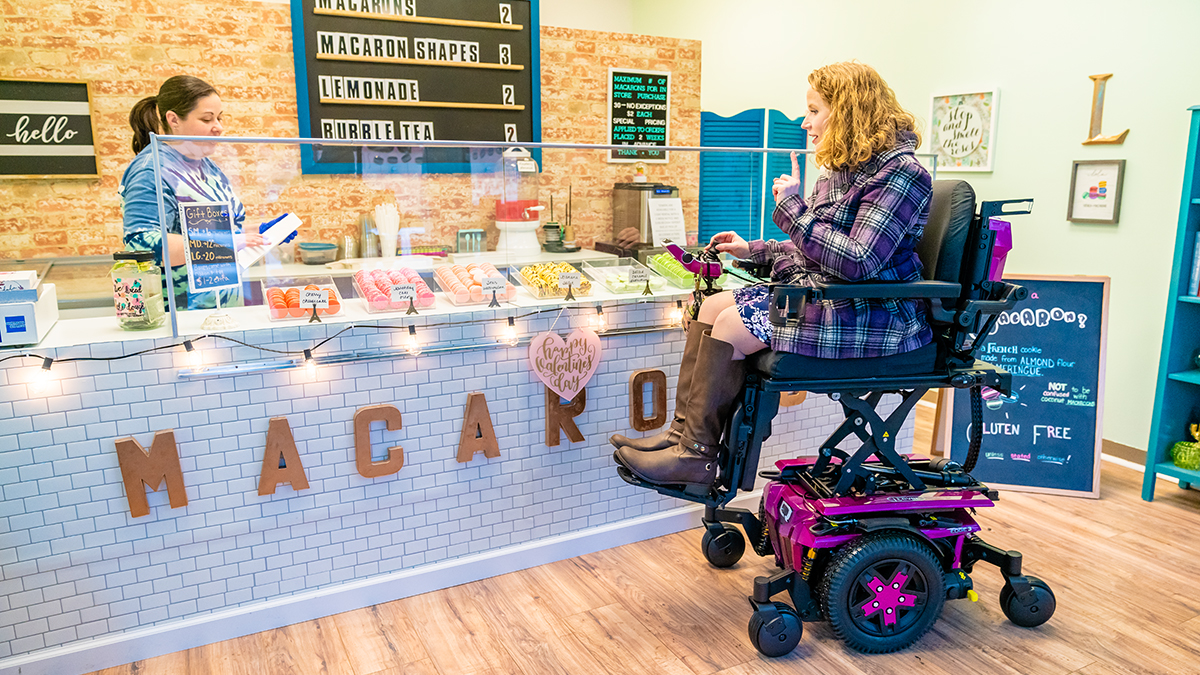
As an individual living with a disability, I must confess that I enjoyed and still enjoy some of the changes that took place because of COVID-19. My two favorite changes were spending more time with my daughter and being able to work from home.

Virtual Learning
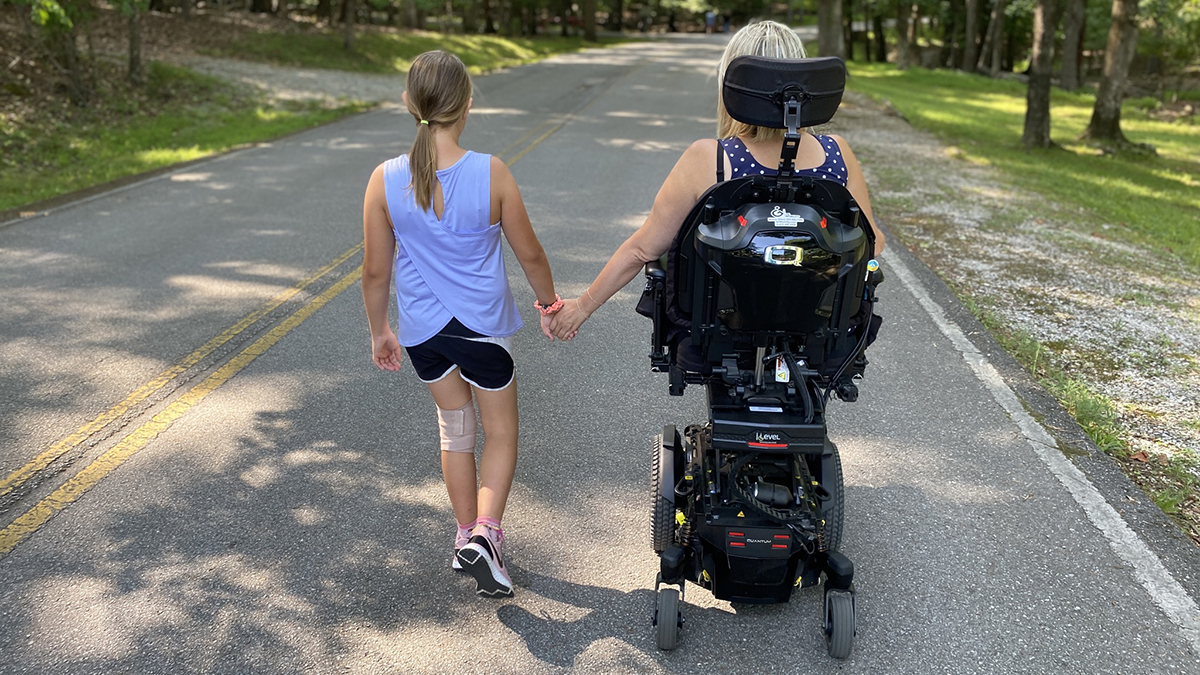
When I picked my daughter up from school that Friday afternoon in March 2020, neither of us realized that it would be the last time she would leave school as a third grader. Her school did an excellent job of transitioning the students from in-person classroom learning to virtual learning from home. I loved the extra one-on-one time I spent with my daughter. Every day, we enjoyed a leisurely stroll around our street, exploring and talking about nature. We’d often pause to examine something a little closer. Those things we never would have noticed before because of our jam-packed schedules.

During those first few weeks, we both quickly realized why I did not pursue a degree in education. LOL. Teachers do not receive the pay or gratitude they deserve for growing and cultivating the young minds of our children. School wasn’t the only activity that made a virtual transition.

Working from Home

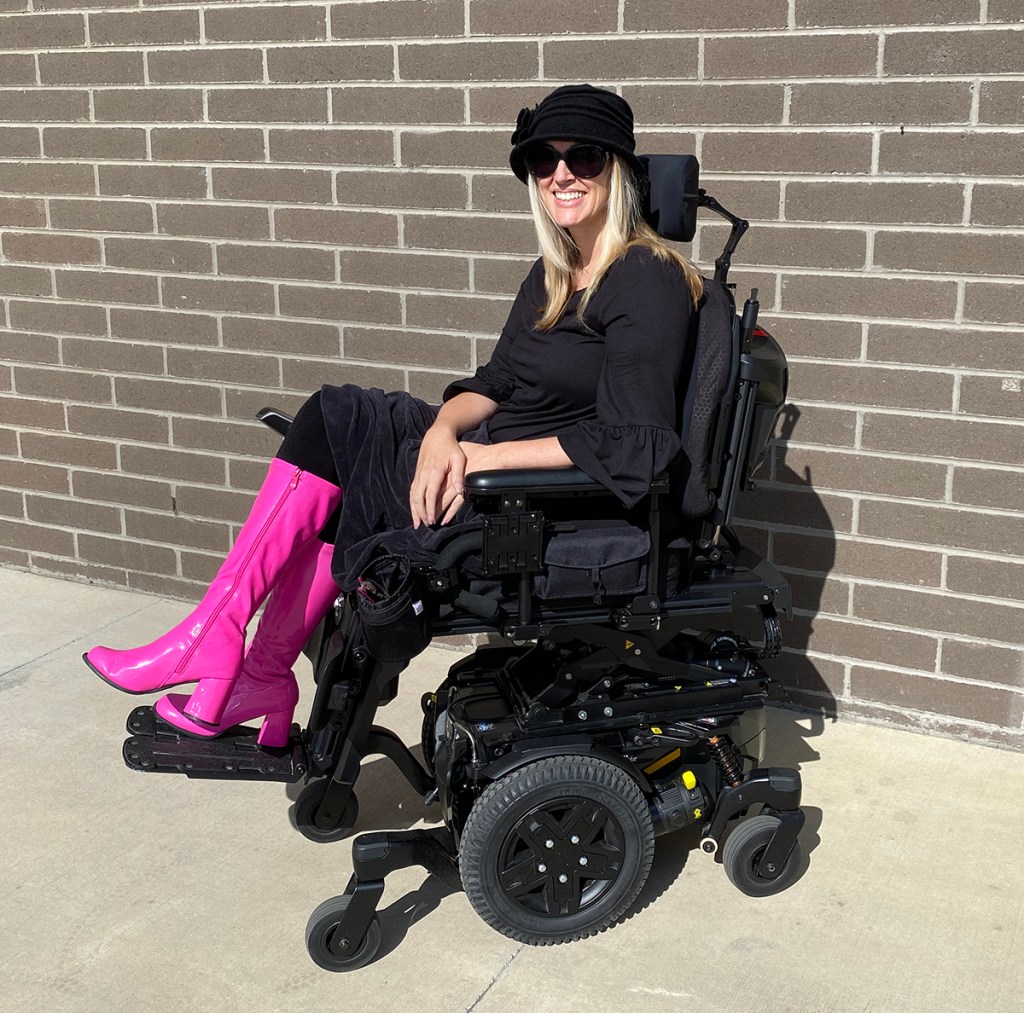
Like so many others during the pandemic, I began working from home. There is so much time saved in not having a commute to work. No more rushing out the door to join the early morning rush hour traffic. I no longer needed to fix my hair or apply makeup. For people like me with limited mobility, it takes much longer to perform a morning routine of bathing and dressing for the day. Those extra minutes gained from working at home make a huge difference for me!
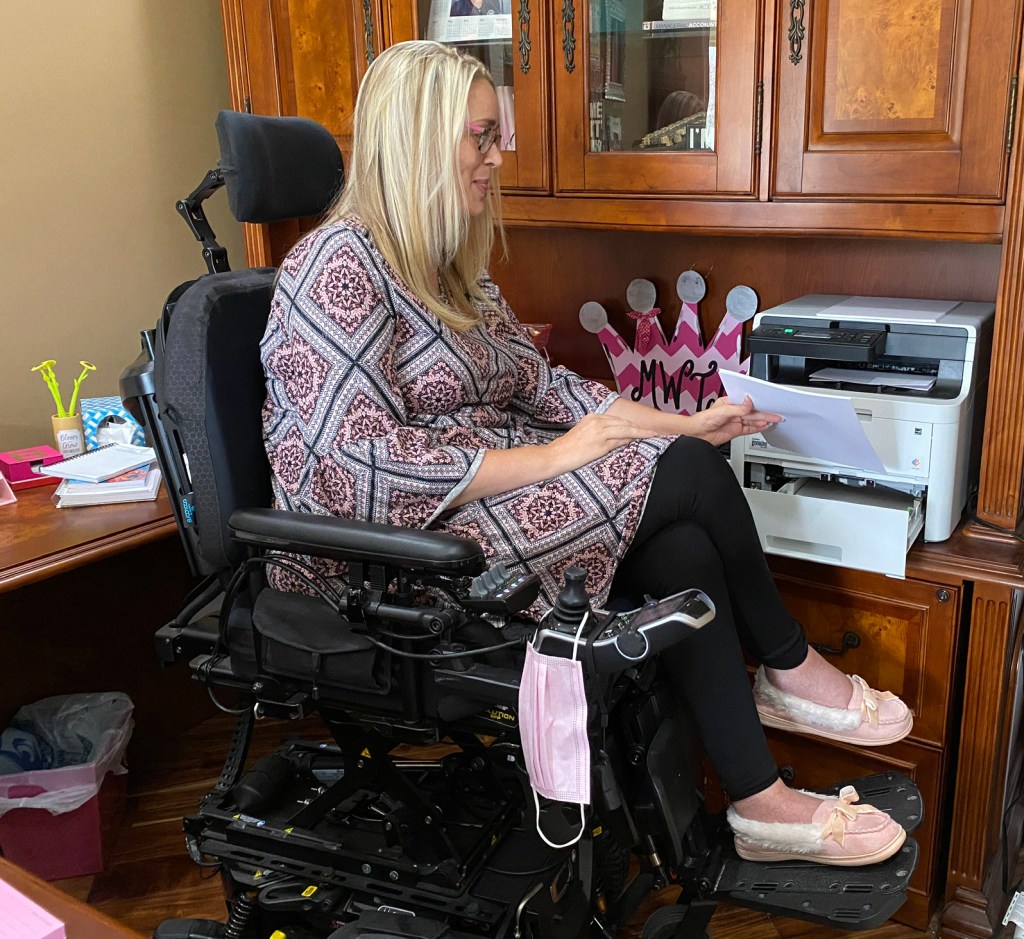
I love that my morning commute is just a short roll down the hallway. I can work in my pajamas! I am so thankful for the luxury of still being able to work from home. No matter how bad things may seem in the moment, there are always positive things to focus on instead.

I so enjoyed the break my daughter and I had from our fast-paced schedules. Unfortunately, even though I’m still working from home, our lives seem more fast paced now than before the pandemic started two years ago. Do you have any positives to share from all the changes the pandemic caused?

About Bliss Welch: Bliss is a Quantum® brand ambassador and Ms. Wheelchair Tennessee 2013. Bliss is actively involved in the disability community. She enjoys traveling and spending time with her daughter. Click here to learn more about Bliss.


For more great blogs from our brand ambassadors and Q Roll Models, visit lifeatilevel.com today!

Return to the Life At iLevel page
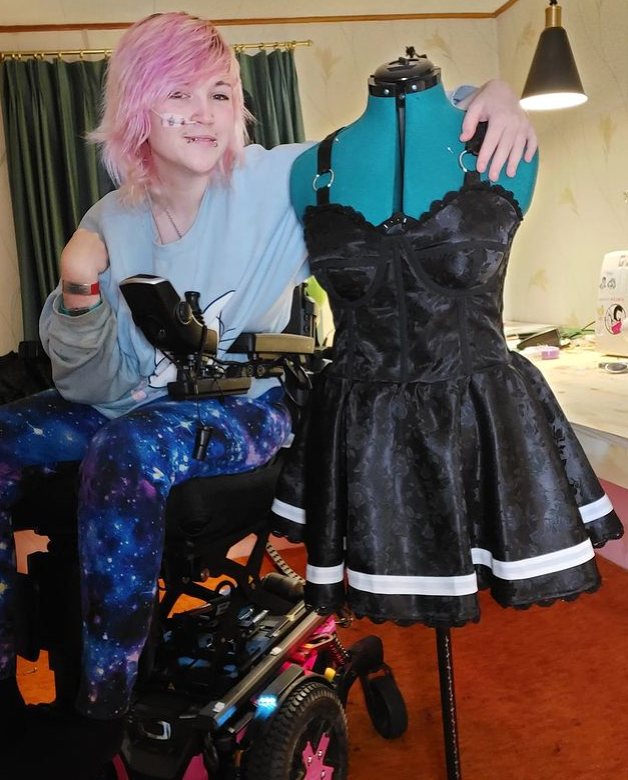
My Favorite Features in My New Accessible Sewing Room

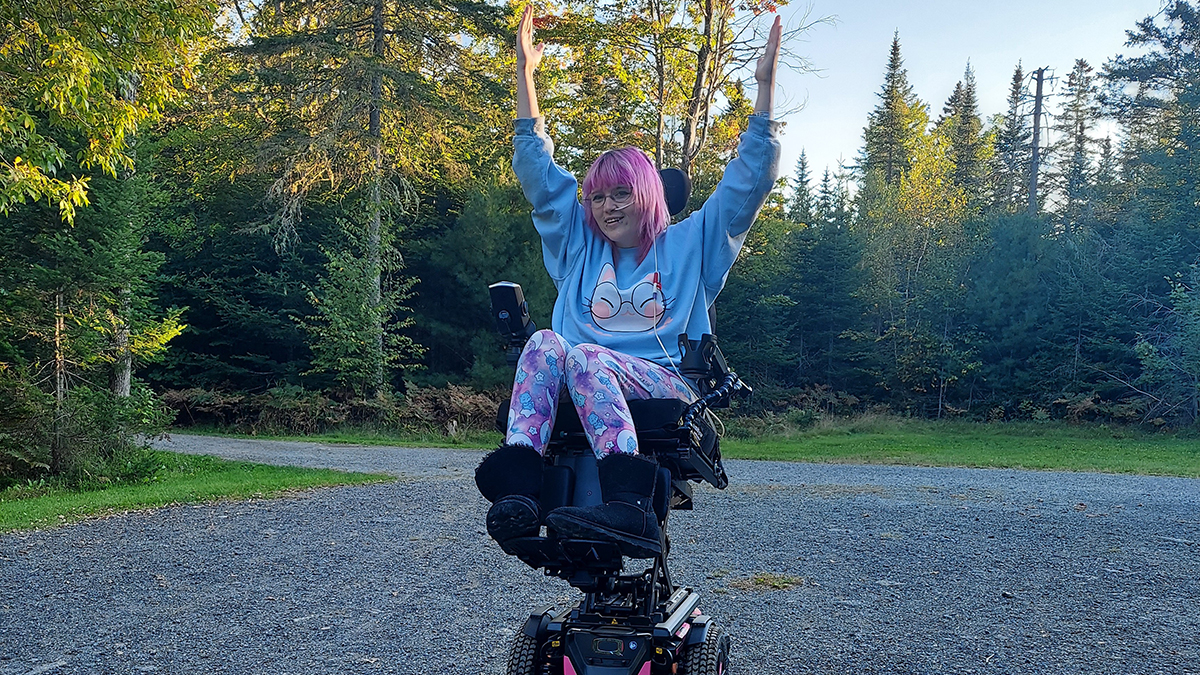
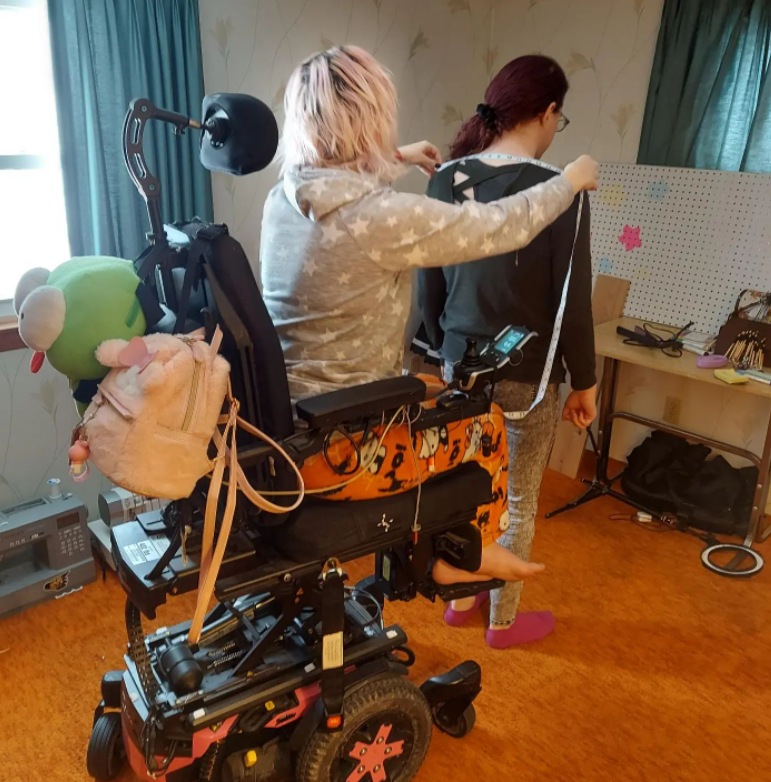
For the past two months, my partner and I have been slowly plugging away on moving things around in our house. One of the projects that we’ve been doing is setting up my wheelchair friendly sewing room! What exactly makes my room wheelchair friendly? Aside from being on the first floor of our house, my room has some pretty special things in it!

My Sewing Room Table

The major thing to highlight is the custom table that one of my dear friends so kindly built for me. This table was made at a special height. While I can comfortably use it at my chair’s regular height, I can also utilize my power wheelchair’s tilt function while still being under the table! I am also able to fit under it while slightly elevated at iLevel®. For instance, if I need to go over to my pegboard to grab a tool that is higher up, I don’t have to adjust my seat elevation when I return to my table.

This table is built at the perfect height to accommodate my power wheelchair’s many different positions. It also allows me to sew comfortably from a normal seated position!

Operating My Sewing Machine

Some people have asked if I use a foot pedal on my sewing machines or how I work around that. At first, I could use a foot pedal just fine, but between my weakness and tics/spasms, using a foot pedal to operate a sewing machine was becoming difficult. I used to operate the foot pedal with one hand, which was alright, but that took a hand away which I really needed to help guide the fabric through the machine.

I reached out to the Singer sewing company and inquired about accessible machines or parts that would help make sewing easier for people like me. Very kindly, they pointed me towards my current sewing machine! This machine can be operated fully by buttons on the machine, cutting out the need for a foot pedal!

Lighting in My Accessible Sewing Room

Another helpful feature of my room are the lamps on my wall. Instead of having buttons or on/off switches on the wall mounted base, these lamps have power cords hanging down that I can easily reach!

A Work in Progress

My room is still a work in progress, as I need to set up my storage area and finish painting my tool/pegboard. Still, I have been utilizing it and I must say that it’s been so amazing to comfortably engage in my favorite hobby again! I spent a long time sewing in an unorganized mess in my kitchen and I ended up not sewing for a while because of how stressful that was for me. Now that I have a dedicated space that is tailored to my needs, I can’t wait until we get the whole room set up. I know it will help fuel my drive to make more costumes and dresses!

About Chrysanthemum: Chrysanthemum is an award-winning cosplayer and Quantum brand ambassador. She enjoys fashion, cosplay and music and has a TikTok channel with over 380,000 followers. Click here to learn more about Chrysanthemum.


For more great blogs from our brand ambassadors and Q Roll Models, visit lifeatilevel.com today!

Return to the Life At iLevel page
How iLevel Technology Makes Grocery Shopping Easier

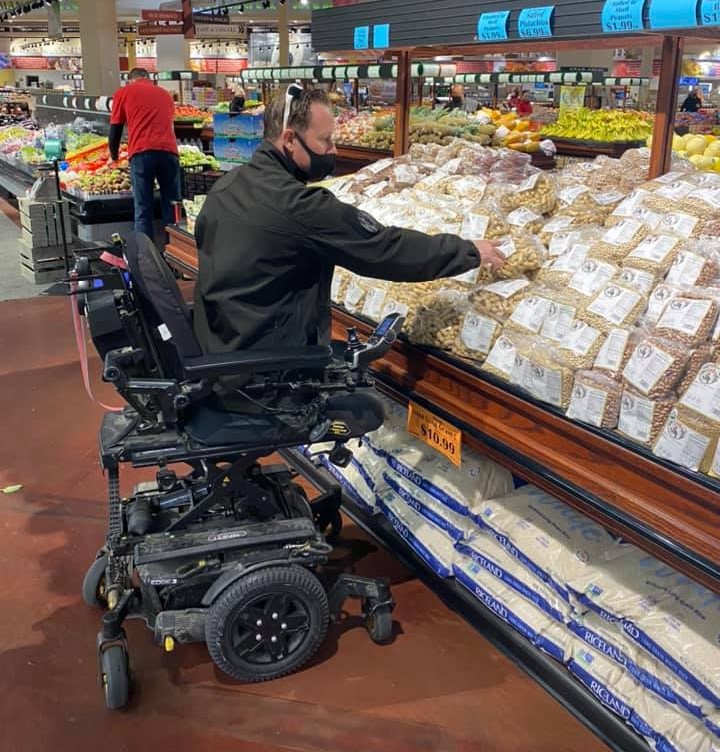
So, we all need to go grocery shopping. It’s a part of life. I used to hate it because I couldn’t reach half the items on the shelf in the store. Grocery stores aren’t exactly built at wheelchair height. Thanks to iLevel® technology on my Edge® 3 Power Wheelchair, I actually don’t mind it at all anymore.

Browsing the Aisles with iLevel

It’s a great feeling to independently shop for my groceries. I can reach items that are higher up by elevating my power wheelchair. I also like to browse the store while elevated at iLevel. It allows me to see everything on the shelves.

When I get to the store, I just grab a basket and roll up and down the aisles, grabbing what I need for cooking dinner that night. Once I have everything, I hit the check out. I don’t have to waste time finding an employee or someone to help me get items off the higher shelves.

Checking Out at iLevel

shopping cart with groceries
Photo by Oleg Magni on Pexels.com

Another great aspect of iLevel is that I can put all my items on the conveyer belt without assistance. It’s great to be at eye level with the people running the register too. I can hand them my money or reach the credit card machine to swipe my card. Once I’ve paid for my groceries, I hang the bag off the back of my power wheelchair using the backpack holders. Then, I’m off!

iLevel really helps me to feel independent. I hope you guys feel the same!

About Bryan Anderson: Bryan grew up and resides in Illinois. Injured by an IED in October 2005, Bryan is one of the few triple amputees to survive his injuries in Iraq. He is an ambassador for the Gary Sinise Foundation and a spokesperson for USA Cares, which is focused on assisting post 9-11 veterans. Click here to learn more about Bryan.


For more great blogs from our brand ambassadors and Q Roll Models, visit lifeatilevel.com today!

Return to the Life At iLevel page
Great Tips and Tricks for Filing Your Taxes

When it comes to doing taxes, it’s important to know your programs! Every single state offers programs for individuals with disabilities. This might actually help reduce your tax bill for the current year.

The Benefits of ABLE Accounts

An ABLE account is a tax advantage savings account for individuals with disabilities and their families. I made recommendations to several individuals about looking into ABLE accounts. I personally do not qualify for this account, but if you do, it’s a great tool.

The Benefits of a Roth IRA

person filing tax documents
Photo by Nataliya Vaitkevich on Pexels.com

Another great account that you can open to help with savings when you have a disability is a Roth IRA. This type of account is probably my favorite. A Roth IRA is another tax advantage savings account. You do not need to have a disability or meet qualifications to open this account. The amount of money per year that you can contribute to a Roth IRA does change every year. Currently, the contribution limit is $6,000 a year per individual, unless you’re over the age of 50.

If you are over the age of 50 you can deposit $7,000 a year into the account. There are also no minimum required contributions unless you want to. A Roth IRA can be open at any major bank that has a securities division. If you bank with a local credit union, I would check with your bank manager to see if they have a securities division to open a Roth IRA.

Use a Professional Account

Hire a professional accountant to do your taxes. I know that we’re in the 21st-century and most people use TurboTax or file their taxes themselves. There isn’t really much of a cost difference between filing your taxes with TurboTax and hiring an accountant. If you are a sole or joint filer and do not have own business, a program like TurboTax might actually benefit you, especially if your taxes are pretty straightforward.

Disabilities Can Determine Your Tax Burden

Having a disability can complicate things or put extra strain on you financially. I know in previous blogs I’ve talked about making sure that you have enough in savings, to make a budget every month and every year, and plan for a rainy day or a big medical expense.

Personally, I’ve had an accountant since I started collecting a paycheck at the age of 17. With my disability, my finances change frequently. Some years, I spend more on medical care and other years I spend more on repairs. Sometimes, depending on the tax code, my accountant was able to lessen my tax burden because of a credit that was offered because of my disability. These are little things that TurboTax cannot offer you.

About Josh McDermott: Josh is a brand ambassador for Quantum Rehab®. He is a public speaker and has served as a goodwill ambassador for the Muscular Dystrophy Association. Josh lives in New York and loves to travel. Click here to learn more about Josh.


For more great blogs from our brand ambassadors and Q Roll Models, visit lifeatilevel.com today!

Return to the Life At iLevel page
The Importance of Autism Awareness Month in April

April is Autism Awareness Month.  With autism being an increasingly common diagnosis, my social media timelines are becoming inundated with posts encouraging everyone to wear blue. Jigsaw puzzle pieces are in abundance. Unfortunately, while most of these posts are well meaning, distressingly few of them are from #ActuallyAutistic people.  Many times, these posts have been made by the parents of autistic kids. Sometimes, they are from more distant friends and relations. 

I’m not autistic. So, I am not positioned to criticize the content of these awareness posts.  I am, however, a part of the larger disability community where it is all too common for voices of the family members of disabled people to drown out those who experience disability directly. This is a serious problem.

The Right Voices Need to be Heard

It’s critically important for the parent advocates of disabled kids to be heard. The problem arises when they are the only or the loudest voice in the room. One reason it is a problem is because the needs and barriers experienced by a child are different than those faced by an adult. So, if all the social and political power is in the hands of parents raising awareness of what they believe their child needs to have a better life, there will be little attention left over to focus on what the disabled adults are saying. Parents and family members themselves should, and sometimes do, appreciate this fact. After all, they know that their kids will eventually grow up and be the adult that deserves to be taken seriously.

So, I want to encourage readers to check out what I would consider three of the most important blogs to come out of the neurodiversity or autistic self-advocacy movements.  Here are three leading voices of autistic adults that we can all learn a lot from. 

Cal Montgomery

First, I urge you to check out Cal’s Blog, by Cal Montgomery.  Cal has been writing about disability for decades and has taught me so much. Among other things, Cal has a deep knowledge of the history of the disability movement’s breadth. He often references the legacy of leaders with intellectual and developmental disabilities. These individuals are not usually recognized alongside the physically impaired activists, whose work that lead to the passage of the ADA is more commonly recognized.

Lydia X.Z. Brown

Another well-known thought leader amongst autistic adults is Lydia X.Z. Brown and their blog Autistic Hoya. Lydia is a trained lawyer, among other things, and their knowledge of disability politics and policy is incredibly expansive. This blog is deliberately intersectional in its approach, so it covers an enormous amount of ground.

Julia Bascom

Finally, I would recommend checking out the blog Just Stimming by Julia Bascom. Julia is the current executive director of the Autistic Self Advocacy Network, but most of her posts go back more than a decade and well before she was a well-recognized leader. Many of them are carefully crafted reflections on her own life as an autistic person, which I find gives them a lot of depth and punch.

All three of these blogs don’t seem to be updated very often these days. They are resources that I learned a lot from over the years, but I am betting there are many newer bloggers that are now active but don’t yet have the near celebrity status of Cal, Lydia and Julia amongst those that follow disability activism. 

Thus, I need to take some of my own advice this April and seek out writing from more #ActuallyAutistic adults that I can learn from.

About Joe Stramondo: Joe is an assistant professor at San Diego University and is extremely active in the disability community. Joe uses an Edge 3 Power Wheelchair to maintain his mobility and independence. In his spare time, Joe strives to be the best father he can to his children. Click here to learn more about Joe.


For more great blogs from our brand ambassadors and Q Roll Models, visit lifeatilevel.com today!

Return to the Life At iLevel page
My Amazing Experience at the Arizona Capitol Building

I had the honor of participating in a leadership development program sponsored by the Disability EmpowHer Network. I wrote a blog about my experience with the program last summer, but the fun didn’t end there.

My Project on Food Insecurity

Throughout this year, I have worked with my mentor on a project related to emergency preparedness for the disability community. All the young women in the program are working on their own projects with their mentors as well. We will meet again this summer in Washington, D.C., to present them. The project I have been working on is an informational video describing the problem of food insecurity and proposing possible solutions. One of those solutions is to convince policymakers to provide money to fund mutual aid networks, which can make and distribute nutritious food when disasters strike.

Mentor Connections

My mentor on the project, Kelly Timmons, happened to know an Arizona policymaker named Rep. Jennifer Longdon, who is a member of the Arizona House of Representatives. Kelly asked Rep. Longdon if she would consider meeting with me.  When Rep. Longdon said yes, Kelly and three other mentors from camp arranged to come all the way to Arizona to join us!

A Day at the Arizona Capitol Building

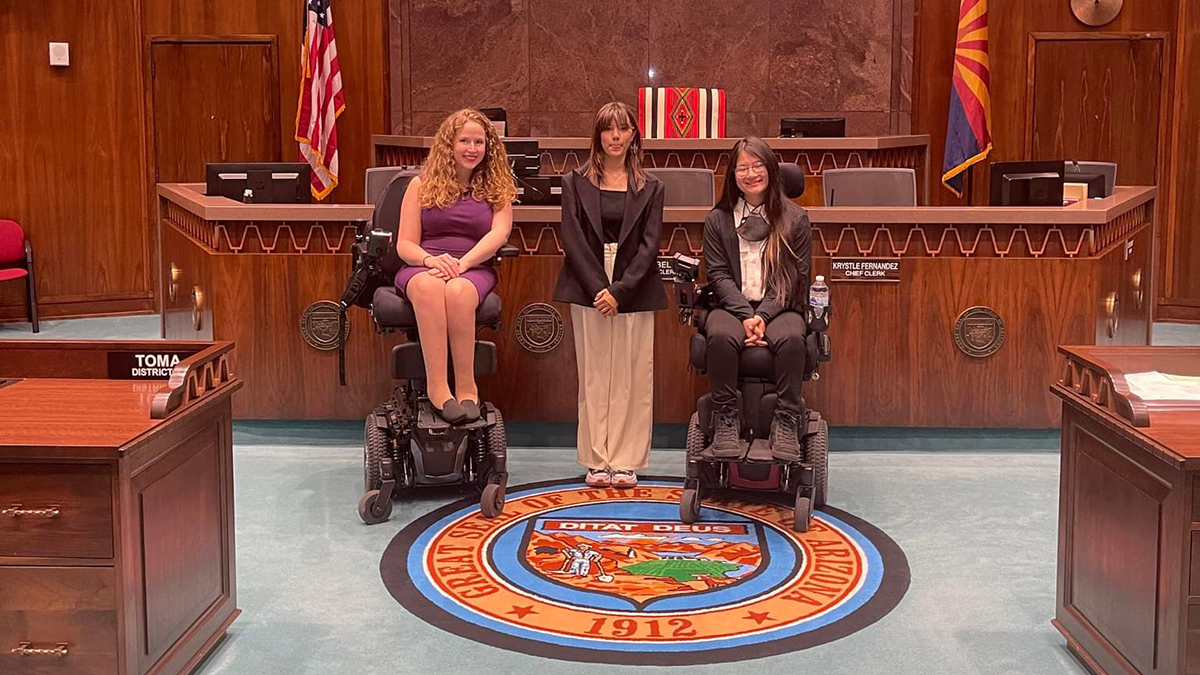
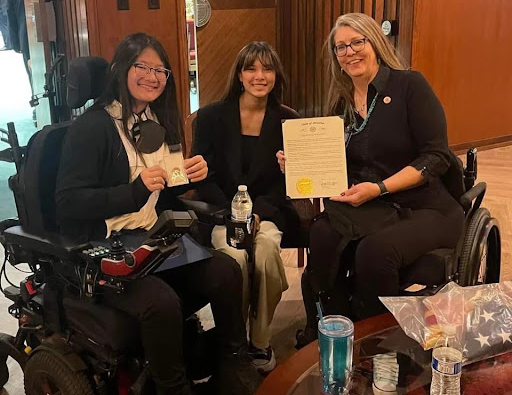
Rep. Longdon is also a wheelchair user and she works hard to help the disability community here in my state. She planned an amazing day at the Capitol for me and my friend Kailani. First, she arranged for us to come during the month of March, because it is Women’s History Month and Disability Awareness Month. We went on March 7, which was also World Hearing Day! This was especially meaningful for Kailani, who is hard of hearing. I lead the spectators in the gallery in saying the Pledge of Allegiance, and Kailani lead it in American Sign Language. Then, Rep. Longdon read a legislative proclamation honoring women with disabilities. Rep. Longdon also gave us a tour around the Capitol. Going through security with three power wheelchairs was something else but we managed!

Making an Impact

At the end of the day, Rep. Longdon gave me and Kailani our own copies of her Proclamation and special pins that are usually only given to members. She also gave us the U.S. and Arizona flags that flew over the Arizona Capitol that day, along with a special certificate signed by the Arizona Secretary of State. The certificate acknowledged the efforts me and Kailani are making to positively impact our community. We are giving the flags to our principal to fly in front of our school.

Navigating the Capitol with My Stretto Power Wheelchair

I admit that I was surprised to see that Rep. Longdon was the only wheelchair user who worked in the legislature. I couldn’t help noticing that a lot of the spaces we had to move through were very tight and narrow, but this wasn’t a problem for me and my Stretto Power Wheelchair. It made me so happy to see a woman who uses a wheelchair in such an important job. I believe that kids need to see more people like them doing cool things. If you can’t see it, you can’t imagine it, and if you can’t imagine it, how can you become it?

I am very grateful that I have such wonderful role models and mentors as well as my friends and family for supporting me along the way. So, I want to thank everyone who believes in me because I don’t think that you can imagine how much it means to me!

About Maddie Kasten: Maddie is a Q Roll Model for Quantum Rehab. She lives in Phoenix, Arizona, and enjoys participating in adaptive sports, playing video games and watching anime. Click here to learn more about Maddie.


For more great blogs from our brand ambassadors and Q Roll Models, visit lifeatilevel.com today!

Return to the Life At iLevel page

Exploring the Wonderful World of Coca Cola

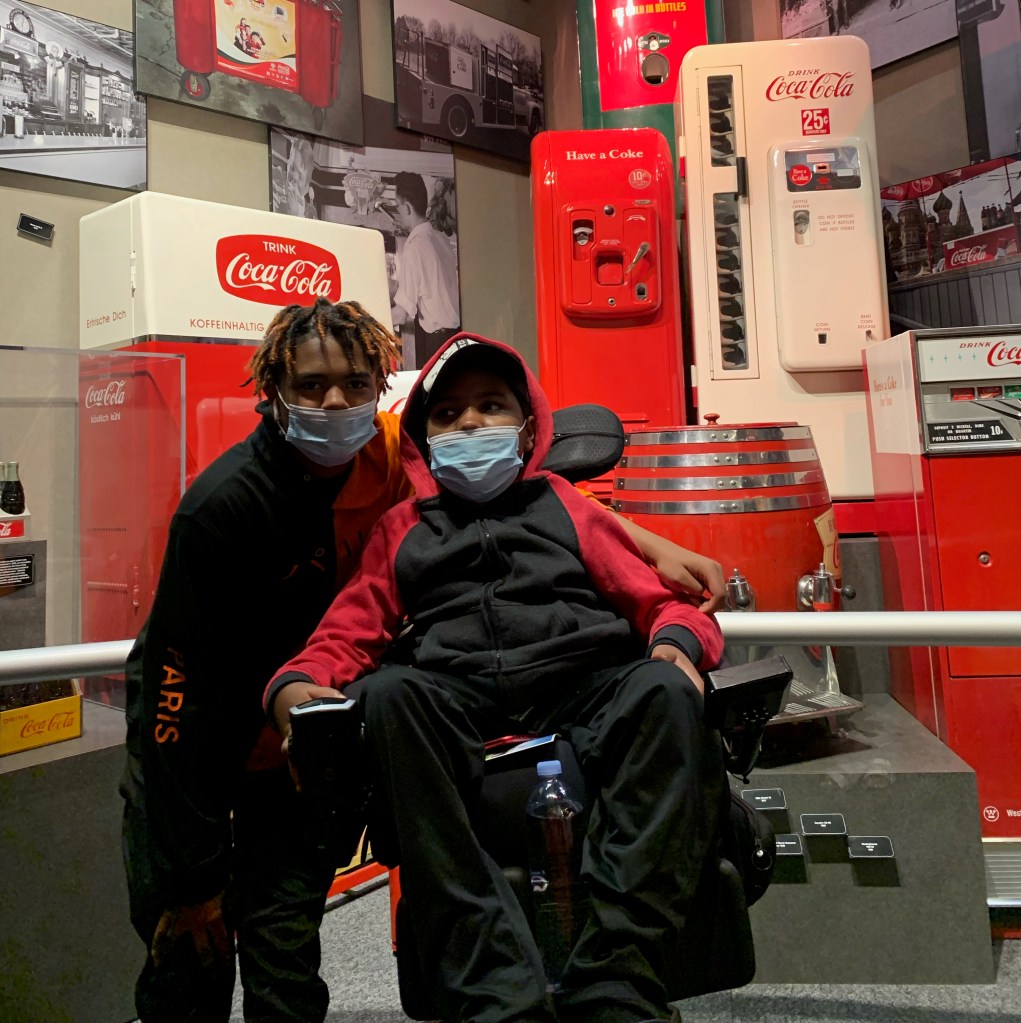
Let’s go inside The World of Coca Cola, which is a museum in my hometown of Atlanta, Georgia. I love this place because it’s very accessible for power wheelchair users. Plus, I can taste test different varieties of Coca Cola they make around the world.

The History of Coca Cola

Did you know the inventor of Coca Cola was a pharmacist named Dr. John S Pemberton? He lived in Atlanta and created this unique soft drink and syrup flavor in 1886. In 1990, the original World of Coca Cola museum was opened in the Underground Atlanta district, then closed in 2007. This was before I was born. My mom visited the place a few times and said it was really nice. The new 92,000 square foot museum was built and replaced, opening to the public in May 2007.

Visiting the World of Coca Cola

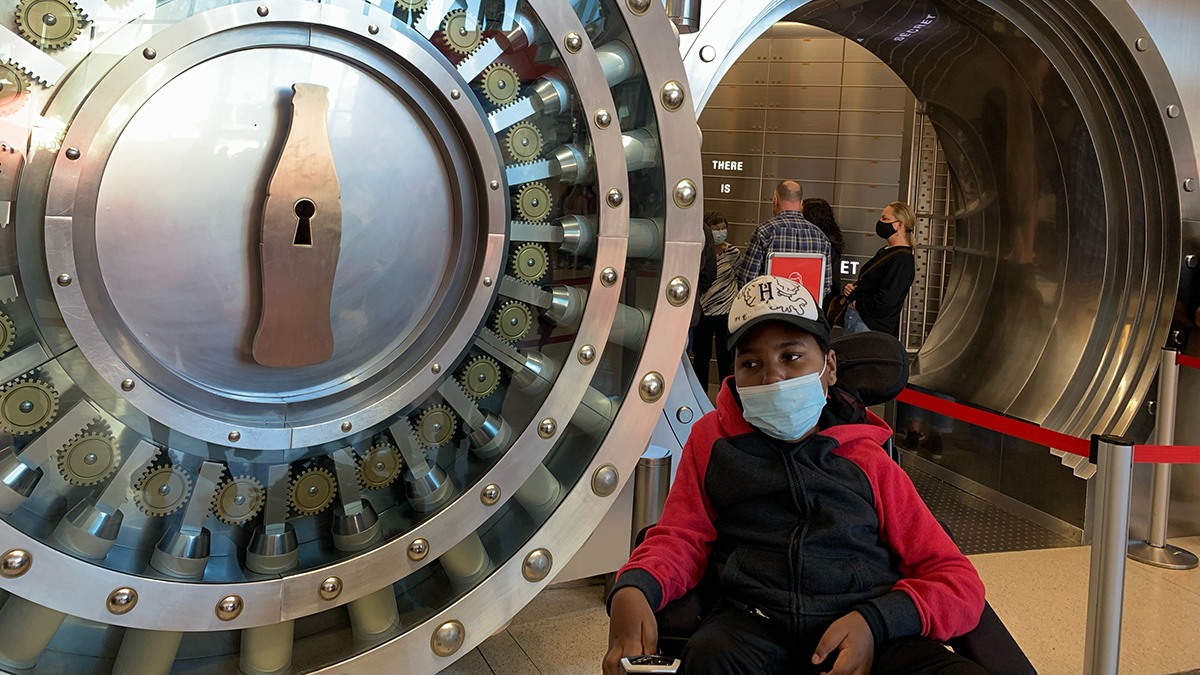
I’ve had the chance to visit this place multiple times and can’t get enough. They have interactive exhibits and a 4D movie about Coca Cola. They display different Coca Cola brand drinks from around the world. They have a “taste it” exhibit room, the original Coca Cola secret vault and so much more. In the 4D theatre, it plays a short movie about a scientist and assistant trying more polo to recreate the secret formula.

Coca Cola “Taste It” Room

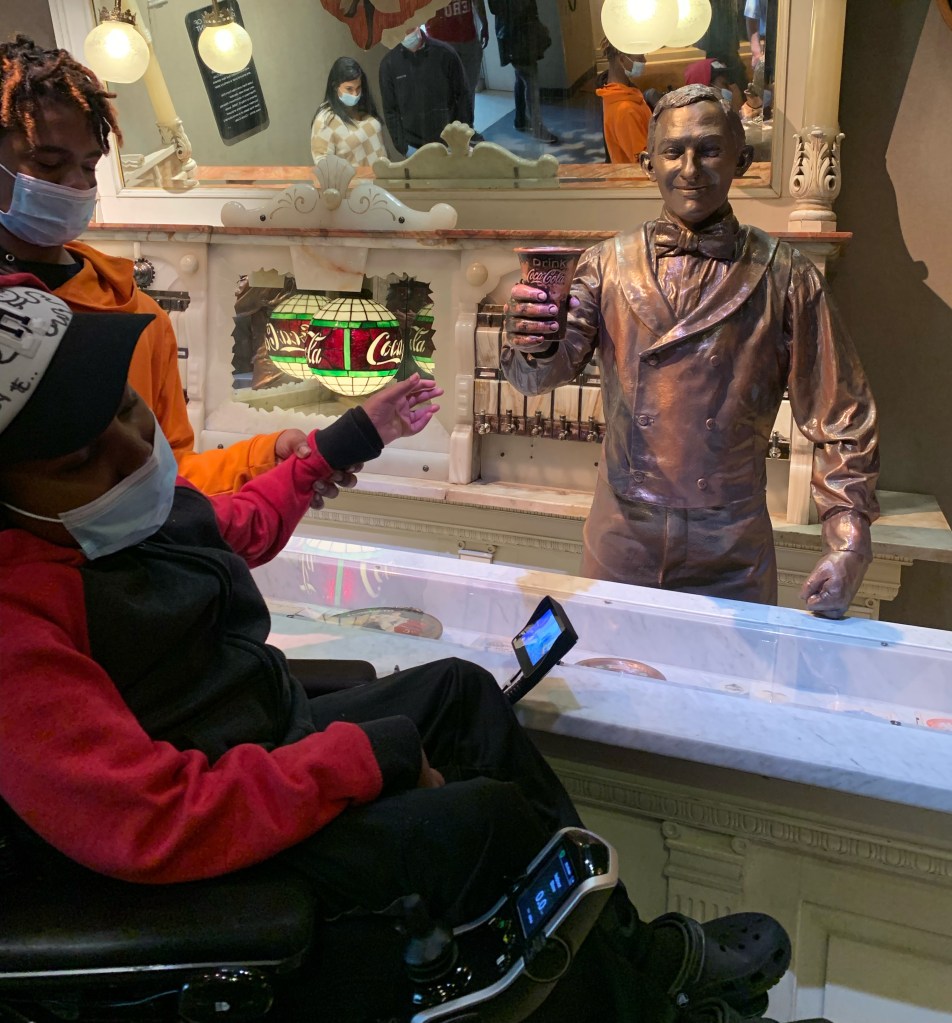
In the “taste it” room, you can taste up to 60 different flavors. The vault exhibit has lots of cool memorabilia and historical facts that my parents were even surprised by. There are lots of cool statues and pictures taking spots throughout the museum that allows you to have some pretty cool photo backgrounds.

Did you know that Coca Cola is sold in all but two countries in the world? They are Cuba and North Korea. There are other Coca Cola museums around the globe to visit as well but, none are quite like the original one in my hometown. When you get a chance, come check it out.

About Morgan Steward: Morgan is an honorary police officer for the Covington Georgia Police Department. He uses the Stretto Power Wheelchair for mobility. Morgan is an active member in his community and enjoys helping others. Click here to learn more about Morgan.


For more great blogs from our brand ambassadors and Q Roll Models, visit lifeatilevel.com today!

Return to the Life At iLevel page
My Experience Hosting the Webinar, ‘Disabled Women Make History’

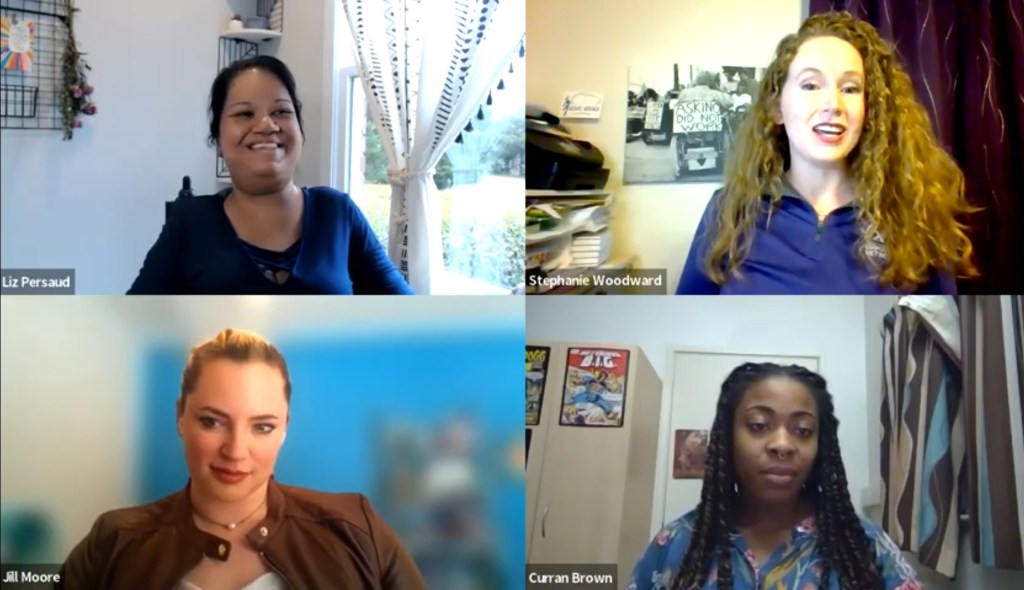
On March 9, I had the pleasure of moderating an incredible panel for a webinar hosted by the Reeve Foundation and Disability EmpowHer Network. The webinar, called Disabled Women Make History, was a panel discussion with three extraordinary women living with paralysis, Curran Brown, Liz Persaud, and fellow Quantum Ambassador Jill Moore. I was honored to moderate the conversation as we explored the complexities, struggles and accomplishments that they experienced living with paralysis. 

This webinar was born from a monthly blog series called Disabled Women Make History, which celebrates the achievements of women with disabilities. The series is based on interviews with passionate, determined, and talented women with paralysis. We chose to host the webinar this month to celebrate Women’s History Month. 

What We Discussed

Throughout the 1.5-hour discussion, we explored a variety of topics including assistive technology, inclusive play, foreign travel, intimacy, leadership and more. Each of the panelists are incredible women with paralysis who have very different backgrounds. So, it was fun to experience a vibrant conversation where we could talk about the work they do and how their presence as disabled women make a positive impact in their fields.

The Impact of These Women

For example, Liz Persaud is an assistive technology expert and she discussed how she uses upwards of 30 pieces of assistive technology per day. As a disabled woman with lived experience using a variety of assistive technology, she brings an important voice to the conversation about assistive technology. This conversation is often dominated by nondisabled men.

Likewise, Jill Moore is an inclusive play specialist working in a field that is predominantly nondisabled men. She advises playground manufacturers and communities on how to create play spaces that are inclusive of all children. Her experience informs the work that she does.

Lastly, Curran Brown is studying to be an occupational therapist. As a woman with a spinal cord injury who went through occupational therapy, she learned how to live an active life as a wheelchair user. Curran can help disabled people going through therapy in a way that no nondisabled person ever could because they have never lived it. 

Input from the Audience

It was such an insightful and lively conversation. I especially enjoyed how active the chat box was with comments and questions from the audience. There was never a lull in the hour and a half that we were chatting. When our time was up, I felt like we had barely gotten started. 

I am so glad that we got to dive into these important topics about women with disabilities and hope to continue these important conversations. If you missed the panel but are interested in the conversation, you can watch the recording here

About Stephanie Woodward: Stephanie is a brand ambassador advisor for Quantum Rehab® and works as a disability rights activist. She has received many awards for helping communities become more accessible, as well as for her actions in fighting for the rights of disabled individuals as it relates to Medicaid and other support services. Click here to learn more about Stephanie.


Return to Wheel Talk

The High Cost of Flying with a Power Wheelchair

A wheelchair user puts their life and livelihood at risk when they decide to fly. According to the latest Air Travel Consumer Report, in July 2021, airlines broke 28 wheelchairs a day on average.

Public Meeting with DOT and Airlines

On March 24, the U.S Department of Transportation held a public meeting on flying with wheelchairs. The meeting was broken up into two parts: the morning consisted of presentations and the afternoon was reserved for public comment. Many people hoped that this meeting meant airlines were going to share how they are working to improve air travel for wheelchair users. Instead, much of the responsibility was placed on wheelchair manufacturers and individuals who use wheelchairs.

Placing the Burden on Wheelchair Users

white united airlines plane
Photo by Pascal Renet on Pexels.com

Graham Keithley, who serves as associate general counsel for Airlines for America, suggested that wheelchair users buy better wheelchairs for air travel. He did not take into consideration the cost of wheelchairs, as well as the battle many people already face when getting their wheelchair covered by insurance. In addition, people who use wheelchairs select wheelchairs based on their needs, not the convenience of a billion-dollar industry. The work of accessibility cannot simply be put on the backs of disabled people. Accessibility needs to be the work of all people.

During the public comment portion of the meeting, participants shared stories of damaged equipment, unsafe transfers that resulted in bodily harm, poor customer service, and the lack of accessible laboratories on aircrafts.  

My Personal Experience of Flying with a Wheelchair

I shared my own personal experience with Delta requiring motorized wheelchair users to fly on Airbus aircrafts and not allowing them to fly on smaller aircrafts. Many cities only fly smaller aircrafts. I was informed that the DOT recently made provisions to the law that no longer requires airlines make wheelchairs fit into cargo spaces that do not match the wheelchair measurements. Policies such as this only further discriminates against disabled people and takes away their right to fly. Airlines can and need to do better.  

As stated by a 16-year old-participant in the meeting, “If Elon Musk can send rockets into space, why can’t wheelchair users board planes in their chairs?”

About Isabella Bullock: Isabella, or Izzie for short, is an employment specialist for the Center of Independent Living. She is an iced coffee enthusiast who enjoys getting lost in a good book. Click here to learn more about Isabella.


For more great blogs from our brand ambassadors and Q Roll Models, visit lifeatilevel.com today!

Return to the Life At iLevel page

My Induction into the National Disability Mentoring Hall of Fame

In February, I learned that I was nominated to be inducted into the Susan M. Daniels Disability Mentoring Hall of Fame. The Disability Mentoring Hall of Fame was established in 2015 to carry on the legacy of disability champion and lifelong mentor, Susan M. Daniels, and to spotlight individuals and groups around the country who are making a significant difference in the lives of youth and adults with disabilities through mentoring.

The Susan M. Daniels Disability Mentoring Hall of Fame is overseen by the National Disability Mentoring Coalition, which is a membership organization that was established in December 2014. It is dedicated to increasing the awareness, quality and impact of mentoring for individuals with disabilities nationwide.

The National Disability Mentoring Coalition informed me that I was selected for this honor based on my commitment to mentoring and the impact of my mentoring efforts in positively impacting people with disabilities in the areas of self-advocacy and community advocacy.

I am truly humbled to be recognized in this way. I am especially honored because so many people that I admire and respect have been inducted into the Susan M. Daniels Disability Mentoring Hall of Fame. 

There will be a virtual celebration on March 30 at 6:30 p.m. ET to honor the Class of 2021. I am truly looking forward to this event! 

About Stephanie Woodward: Stephanie is a brand ambassador advisor for Quantum Rehab® and works as a disability rights activist. She has received many awards for helping communities become more accessible, as well as for her actions in fighting for the rights of disabled individuals as it relates to Medicaid and other support services. Click here to learn more about Stephanie.