Staying in Shape During COVID-19

Living with limited mobility doesn’t mean you can’t exercise. In fact, health professionals recommend that individuals exercise because of the benefits, such as boosting your mood, easing depression, and relieving stress and anxiety. Reaping these benefits is more important now than ever as we stay at home, surrounded by COVID-19 news on TV and social media. If you aren’t sure where to start in finding the right workout for you, we have some ideas.

Individualized Adaptive Sports

Because of social distancing, team sports are currently not an option. However, if you like getting exercise through playing sports, don’t worry! You can still practice individualized adaptive sports. Quite a few sports have been adapted for wheelchair users so that people of all abilities can participate. Whether you live in the mountains or by the ocean, there is sure to be something for you. Check out our article on adaptive sports you can play during COVID-19 to learn more.

Exercising Outside for Wheelchair Users

Do you live near a trail or national park? With nicer weather coming and parks reopening around the country, going on hikes is another option you have for getting exercise. Just as there are many benefits for your physical and mental health in exercising, you can experience even more benefits for your physical and mental health in spending time outdoors in nature. Read our Wheelchair-Accessible Outdoors Guide to learn more about different options for outdoor activities.

Virtual Workouts for Wheelchair Users

Living in the technological age, finding what you need online can be as easy as doing a simple search. Because most of the world has also had to adapt to staying at home, there are many virtual workouts available online. You can do a search on YouTube or Google for workouts for wheelchair users at home. If you have a preferred activity, such as wheelchair yoga or adaptive Zumba, you can search for that specifically. Another way to find virtual workouts online is to check for any Facebook events in your area. Local fitness centers may offer online classes during COVID-19, some even offering classes for free.

Before you begin any kind of exercise regime, obtaining medical clearance is recommended. Speak with your primary care physician, physical therapist or other health care provider about what activities are appropriate based on your medical condition or disability. Learn more about exercising with limited mobility.

.ugb-c55c090 > .ugb-inner-block > .ugb-block-content > .ugb-columns__item{grid-template-columns:0.66fr 1.34fr !important}.ugb-c55c090 .ugb-inner-block{text-align:right}.ugb-c55c090.ugb-columns{padding-top:0px !important}

Pride Mobility Products Corp. and Quantum Rehab passionately serve individuals with disabilities, and just like any disability, we do not discriminate with regard to race, color, national origin, sex, gender identity, sexual orientation, religion, protected Veteran status, or age.  

Social injustice saddens us to our core because it’s in our DNA to welcome individuals from all backgrounds and ensure that everyone has an opportunity to join our team and contribute to our mission and vision.  That’s why we are re-emphasizing our commitment to creating an inclusive workplace that promotes and values diversity.  Pride and Quantum are dedicated to equality and equity in all our business and employment actions.

Read more about our company culture here.

Accessible Travel During COVID-19

For many people, summer means vacation time. Individuals and families from around the world generally plan to travel during June, July or August. This is the time to see relatives, explore new places and relax. Unfortunately, because of COVID-19, restrictions may have been put in place that affect your travel plans. However, this doesn’t mean that you have to forego having a summer vacation and taking a break from daily life. Travel comes in many forms and there are still plenty of opportunities for you to enjoy yourself without being stuck in your house.

Accessible Camping

Maybe you have been bitten by the travel bug and are experiencing cabin fever because your plans to travel have fallen through. Although flying by plane may not be an option for now, you can still get out of your house and even out of your town. Even though there are restrictions in place for many public places, health officials encourage U.S. residents to spend time outside. In fact, parks and campgrounds around the United States are starting to reopen to the public. Because you can practice social distancing much easier while you’re outdoors, your next destination could be a cabin in the woods. Read our Wheelchair-Accessible Outdoors Guide and Power Wheelchair Features for Camping article to learn more.

Staycations

Before you reject the idea of a staycation because of its name, just know that staycations aren’t the equivalent to staying in your house all day, doing nothing. Like a vacation, staycations still require some planning and aren’t meant to be boring. It’s up to you to make your staycation as fun as you want it to be. Planning requires some creativity and research on your part, but there are many benefits to planning a staycation.

Inviting a friend or family member to stay in your home or traveling to theirs isn’t ruled out either. According to National Public Radio, going to a vacation house with another family is considered a low risk activity. As long as both families have been quarantining and limiting their exposure to others, it is a relatively safe activity. They recommend exercising caution, such as cleaning the major surfaces in the house upon arrival and talking to the friends or family with whom you will stay with about other precautions.  For example, everyone can take stay in quarantine during the two weeks before arrival and while you’re together, to risk exposure. Although you can’t do many activities outside of the home together, it can be refreshing to see a familiar face after being in quarantine for an extended period of time.

Accessible Air Travel

Some airlines are still operating, but with social distancing procedures. Because of the precautions they are taking, there are less seats available on flights, making planning a trip more complicated than usual. The upside of traveling by plane right now is that travelers are seeing tickets decrease in price because not as many people are traveling. However, out of the types of travel mentioned, traveling by plane puts you at the highest risk for contracting COVID-19 through contact with other people or contaminated surfaces. If possible, we recommend driving to your destination.

No matter if you choose to go camping, invite friends or family to your house, or book a plane ticket, we suggest practicing social distancing and safety guidelines as best as you can.

Spending Time Outside During COVID-19

Although social distancing is still recommended, other restrictions on activities and going places are being lifted. Rather than staying inside all day, you now have options for doing activities outdoors. The best part is, practicing social distancing is easier outdoors rather than indoors, due to the amount of space available. We’ve compiled a list of safe activities to do outside during COVID-19.

Picnics

Having a picnic in your backyard is the safest option. Whether it’s eating outside with your family or inviting someone over who also self-quarantines, wears a mask, and is cautious, you can soak up the sun while enjoying a nice meal. Bonus points if you support a local business by ordering takeout!

With parks across the country reopening, it’s possible that picnic areas are available for dining. Know that if you are at a public area, you are putting yourself and those with you at a higher risk for contracting COVID-19 than if you eat in an isolated area. Things like shared restrooms, communal picnic areas and anywhere that has shared surfaces can pose a greater risk for contracting and spreading germs.

Sitting on the Beach

In addition to parks reopening, many beaches are also reopening to residents of the area. If you’re looking for a change of scenery and a way to get some vitamin D, consider a day at the beach. You can spend a day at the beach relaxing, or if you’re feeling particularly adventurous, you can try adaptive surfing. Because adaptive surfing is not a contact sport, you are at a lower risk of being exposed to or exposing others to germs. Read more about adaptive sports you can play during COVID-19.

Hiking

Looking for a way to burn some energy and get exercise while enjoying the warmer weather? Hiking is a great way to practice social distancing while getting in a workout. Sometimes trails have shared use paths that are designed for bicycles, pedestrians and are accessible for power wheelchair users. For more information on multi-use trails and accessible outdoor activities, check out our Wheelchair-Accessible Outdoors Guide.

Camping

Christian in his 4Front Power Chair

If you’re looking for more than just picnics or going on a hike, consider camping. It’s a great way to go on a vacation without the health risks that going on a plane may pose. Much like having a picnic, being outdoors and away from the general public decreases your risk of contracting the virus. However, if you’re camping with a group, it is important to know if the people you’re staying with have practiced social distancing and followed recommended guidelines. It’s also important to be wary of shared restrooms and any other communal areas.

Because the weather is getting nicer and stay-at-home orders are slowly lifting, there are more opportunities to do activities with loved ones. Even so, we always recommend following any guidelines posed by your state and being cautious in situations where you are around other people.

A Child Wheelchair and Cerebral Palsy

Cerebral palsy, sometimes referred to as CP, is a chronic condition where an individual is unable to fully control muscles, body movement and coordination. The condition usually originates before birth or during infancy, usually due to lack of oxygen to the brain or trauma. There are three cerebral palsy types: spastic, ataxic, and athetoid or dyskinetic. Symptoms can include spasticity, muscle spasms, involuntary movements, seizures and disturbance in gait and mobility. It can also include impairment of sight, speech and hearing.

If your child has cerebral palsy, assistive technology may be beneficial, depending on the severity of the medical condition. Some children may need a walker or brace to achieve independent mobility. More serious cerebral palsy types may require a complex rehab electric wheelchair, and electric wheelchairs from Quantum® can provide children with cerebral palsy the products they need to maintain mobility and independence.

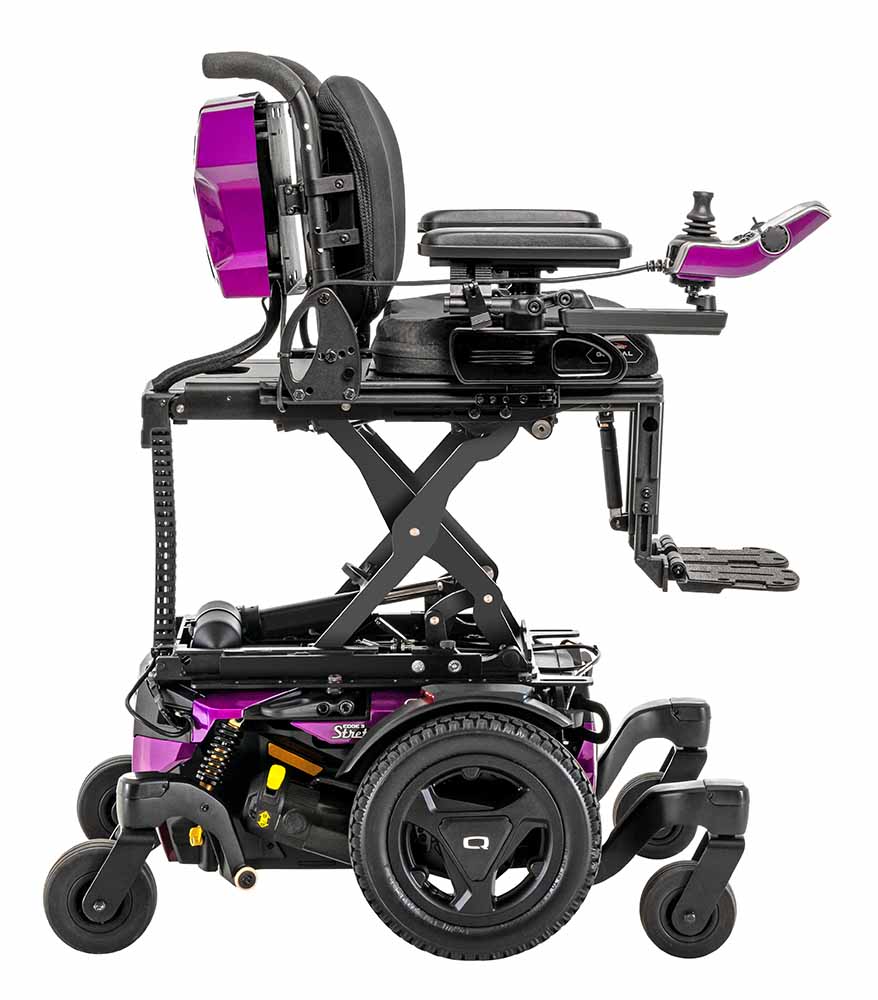
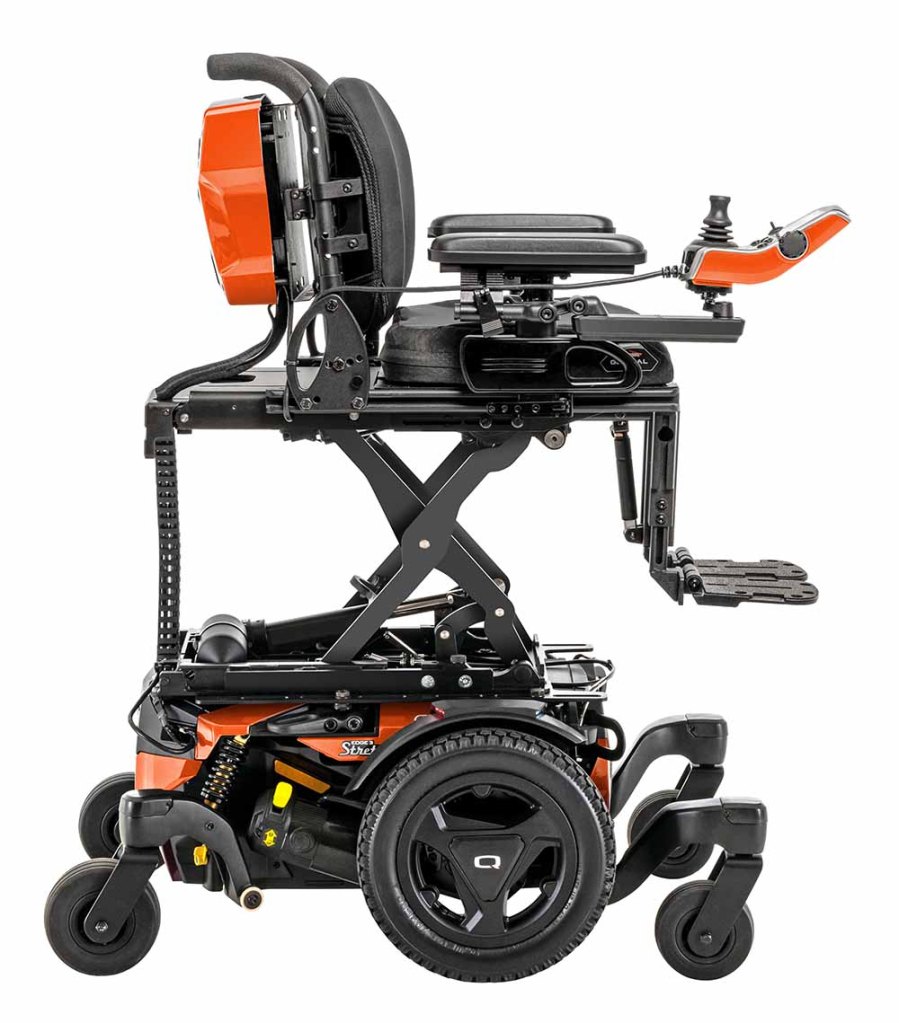
Edge 3 Stretto™ Child Wheelchair

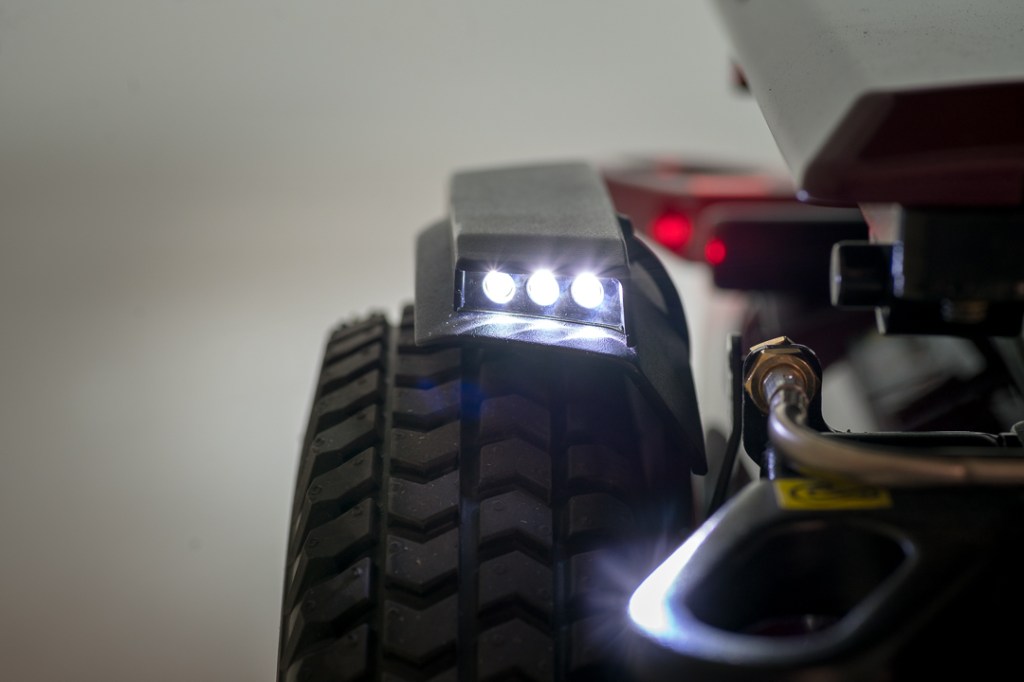
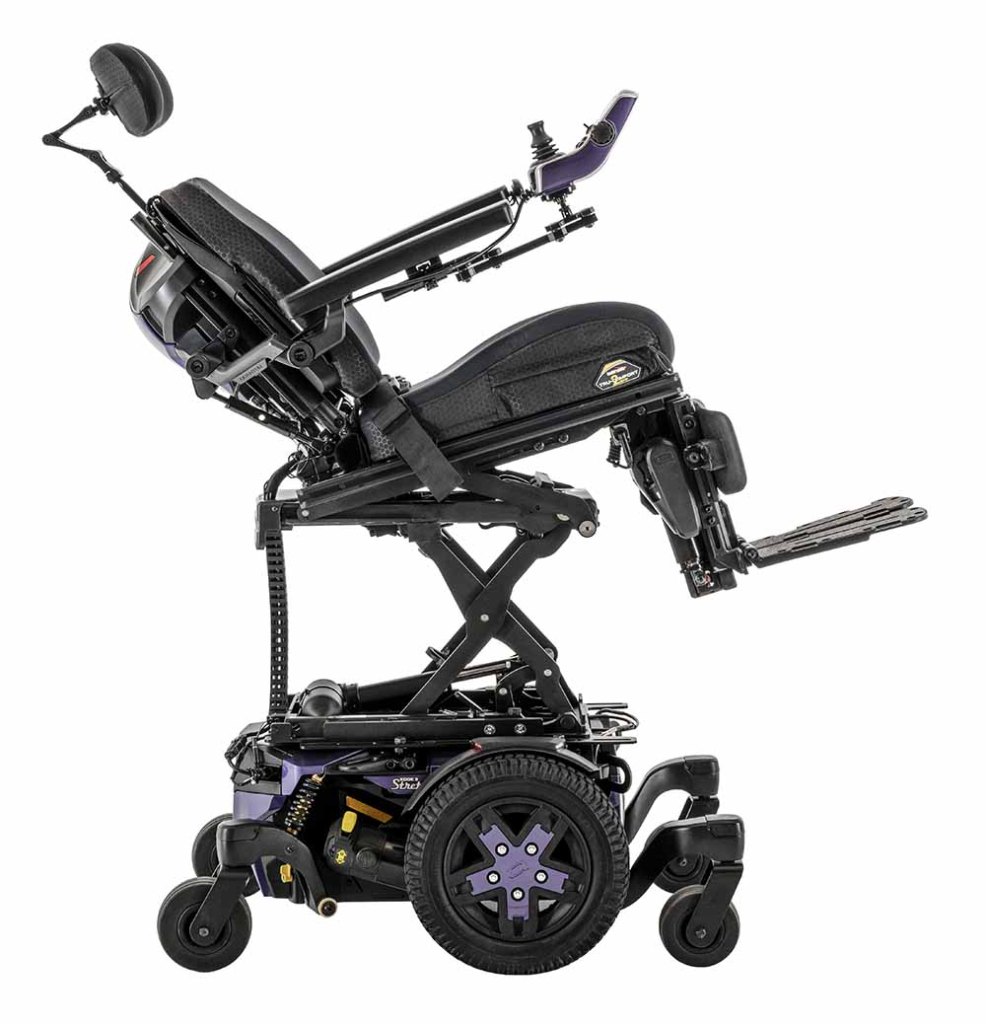
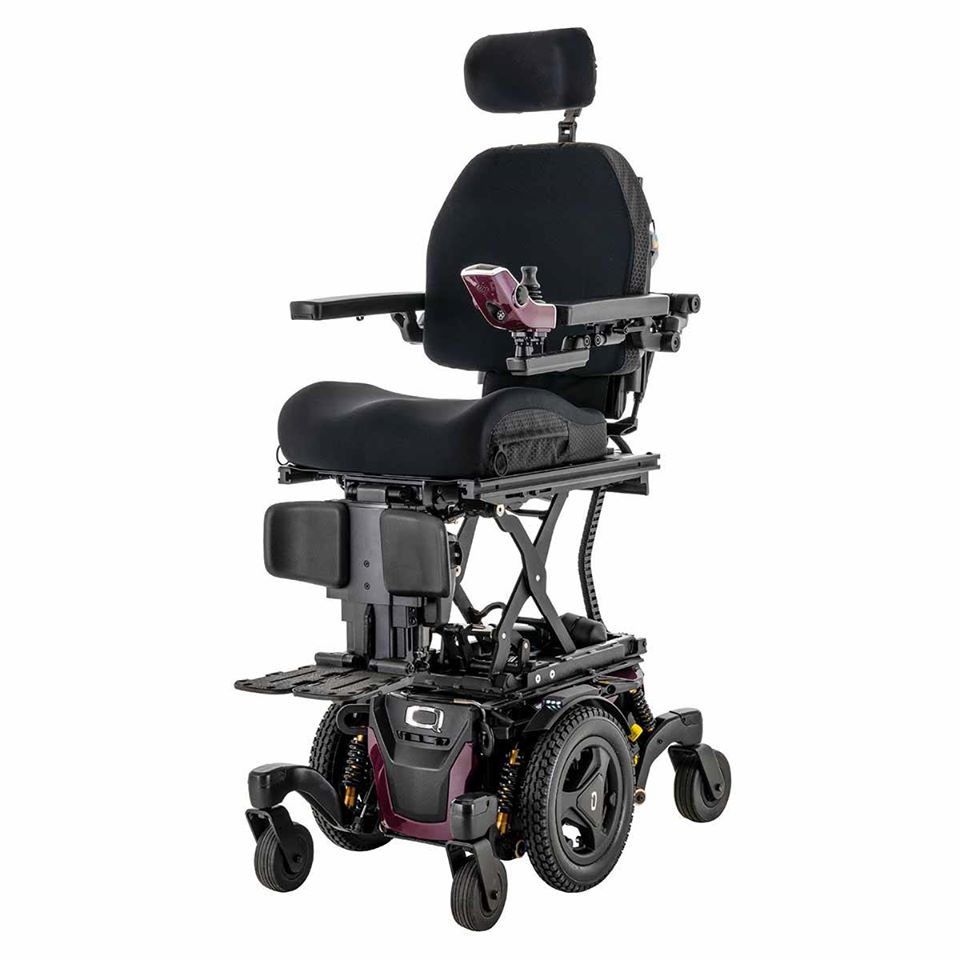
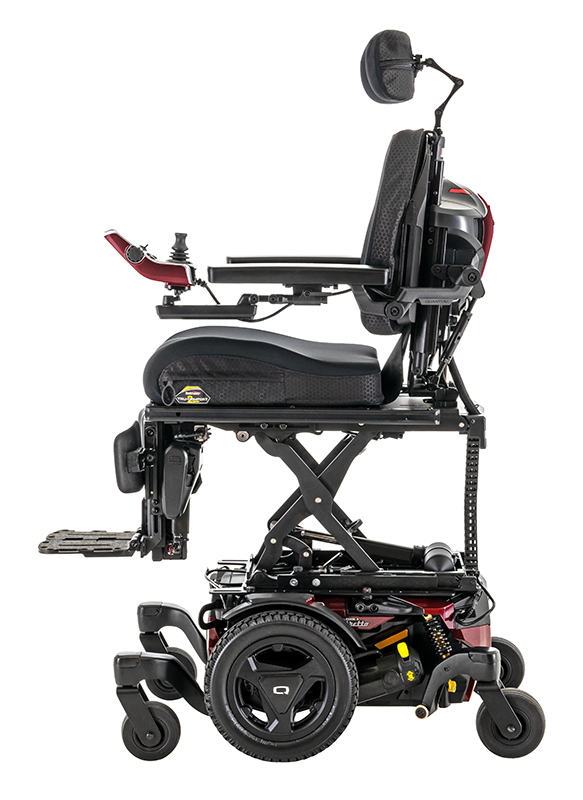
A child with cerebral palsy should be fitted to an electric wheelchair base that is compatible with components that meet the child’s needs. The Edge 3 Stretto™ child wheelchair is compatible with an array of power seating, positioning and drive controls. The Edge 3 Stretto is available with optional iLevel® technology, allowing a child to drive at 3.5 mph so he or she can safely cross streets and parking lots. iLevel power adjustable seat height raises a child wheelchair user up to 12 inches, increasing his or her independence and confidence in social situations. The Stretto comes standard with LED fender lights, allowing children to see and be safely seen.

Edge 3 Stretto with iLevel

Child Wheelchairs and Positioning

Symptoms of cerebral palsy can require power positioning components to assist with pressure relief or independent weight shifting. TRU-Balance® 3 Power Positioning Systems is compatible with the Edge 3 Stretto and maximizes functional independence. Adjustments can be made quickly for maximum comfort. Available configurations on a child wheelchair include power tilt, power recline, manual recline, iLevel, static seating and contoured seating.

Child Wheelchairs and Drive Controls

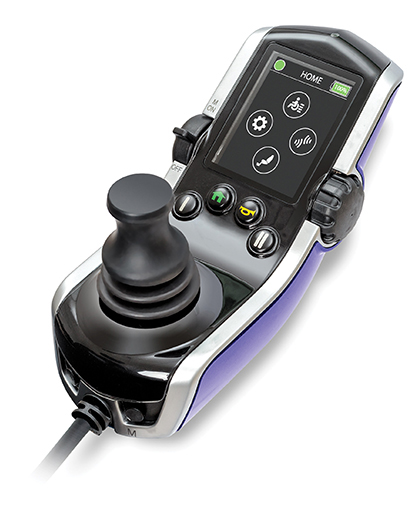
Q-Logic 3

Customizable and very user friendly, Q-Logic 3 Advanced Drive Controls is available on the Stretto and comes standard with wireless Bluetooth® technology. Your son or daughter can use Q-Logic 3 Bluetooth programming to pair his or her child wheelchair with a variety of devices, such as a smart phone or tablet. He or she can then operate a device using the Q-Logic 3 screen. Bluetooth capability enhances learning in the school environment by providing wireless computer access for more independent participation.

Friedreich’s Ataxia and Kids Wheelchairs

If your son or daughter has been recently diagnosed with Friedreich’s ataxia, you have a lot of questions and concerns regarding your child’s diagnosis. Due to the affect that Friedreich’s ataxia has on muscle coordination and the nervous system, your child’s doctor may recommend a kids wheelchair, so that your son or daughter can maintain independence and mobility. In addition, a kids wheelchair can give your child confidence. Read on to learn more about how a kids wheelchair can make a difference in the life of your son or daughter.

What is Friedreich’s Ataxia?

Friedreich’s ataxia, commonly referred to as FA and FRDA, is an inherited disease that causes nervous system damage and difficulties with movement. Friedreich’s ataxia usually begins during childhood and muscle coordination is lost over time. The spinal cord and peripheral nerves are affected. The brain’s cerebellum also decays, resulting in unsteady movements and impaired sensory functions. Learn more about the condition of Friedreich’s ataxia.

Kids Wheelchairs for Mobility

A complex rehab power wheelchair can make a huge difference in your child’s quality of life. A complex rehab power wheelchair is customized to meet the needs of the user, so your son or daughter can have a wheelchair that is fitted and meets his or her medical and quality-of-life needs. The Edge 3 Stretto kids wheelchair is a true pediatric power wheelchair, offering a narrower width that delivers exceptional maneuverability in small spaces. With an overall width of 20.75 inches with 12.5-inch drive wheels, the Stretto is equipped with independent SRS (Smooth Ride Suspension), which delivers a smooth and comfortable ride. Learn more about the standard features of the Edge 3 Stretto kids wheelchair.

Kids Wheelchair Accessories

There are many kids wheelchair accessories that can be added to your son or daughter’s wheelchair. In addition to the LED fender lights that come standard on the Edge 3 Stretto, you can choose to add a reflector kit to your child’s wheelchair, to increase their visibility in low-lighted areas. Consider adding a rearview mirror as well, so your child can always see cars, pedestrians or bicycles coming up behind him or her when he or she is out playing. All of these accessories are available on TRU-Balance® 3 seating system, which is compatible with the Edge 3 Stretto.

How Much Does a Narrow Wheelchair Cost?

If you live with a disability that affects your movements, complex rehab narrow wheelchairs can help enhance your mobility and independence. In addition to aiding you in mobility, the Edge 3 Stretto™ narrow wheelchair has an overall width of 20.75 inches with a 12.5-inch drive wheel configuration, allowing you to navigate tight spaces with ease. You may already be familiar with the many benefits to buying and owning a narrow wheelchair, however you may wonder how much it costs.

Price of a Narrow Wheelchair

Complex rehab wheelchairs are customized to meet the specific needs of their user. Because of this, the cost of a narrow motorized wheelchair can vary greatly. There is a wide array of components that can be added to a power chair such as alternate drive controls, seating and positioning, wheelchair cushions and power elevated seating, all which can affect the cost. Each power chair is customized with different components to meet an individual’s needs and the price is determined by the components selected. An authorized Quantum dealer can assess your needs and give you a quote.

Drive Controls

Wheelchair users with disabilities that affect their mobility can benefit from Q-Logic 3 Advanced Drive Controls, an adaptable, expandable controller system that maximizes user independence. Q-Logic 3 electronic is standard with Bluetooth®, giving individuals with limited mobility the opportunity to control much of their environment using the controller itself.

Seating and Positioning

Power positioning on narrow wheelchairs help patients with limited mobility maintain proper comfort, skin integrity, positioning and function. TRU-Balance® 3 Power Positioning Systems on narrow motorized wheelchairs offer many options for adjusting the positioning of the seating, such as power tilt, power recline, power tilt and recline, power articulating leg rests, power articulating foot platform and iLevel® power adjustable seat height.

Cushions

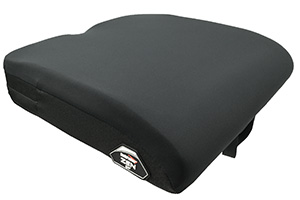
Complex rehab wheelchair users may benefit from Stealth Products® wheelchair cushions. Each narrow wheelchair cushion offers a different function, such as general use and skin protection and positioning. For example, the Zen SP comes standard with a CoolCore® technology cover, keeping you cool in the summer and warm in the winter, while also staying comfortable and dry. Learn more about our narrow wheelchair cushions.

iLevel® Technology

Optional iLevel® power adjustable seat height is available on the Edge 3 Stretto™ and allows a user to operate the power chair at seated or standing height. The wheelchair user can elevate 12 inches while driving at 3.5 mph, providing them with social interactions at eye level and allowing wheelchair users to see and be safely seen while crossing streets or navigating crowds.

iLevel’s Extra Stability Technology® also greatly improves daily functionality and quality of life, enabling individuals to complete Mobility Related Activities of Daily Living (MRADLs), such as reaching, grooming, cooking, toileting and transferring independently.

Are you ready to take the next step toward changing your life? Check out our article on how to buy a narrow wheelchair.

Wheelchair Maintenance During COVID-19

COVID-19 has brought many complications to people around the country. In addition to worries about staying healthy, businesses have shut down, which can affect individuals who rely on the service or product that the business sells. While wheelchair manufacturers may continue to operate, local dealers may or may not be open, depending on the area where they’re located and that area’s regulations. It’s been a few months since the pandemic came to the United States and some states are starting to reopen. However, every state is different.

So, what happens if you need your power wheelchair serviced or you need to purchase parts? There are a couple of options we recommend.

Interactive Assist

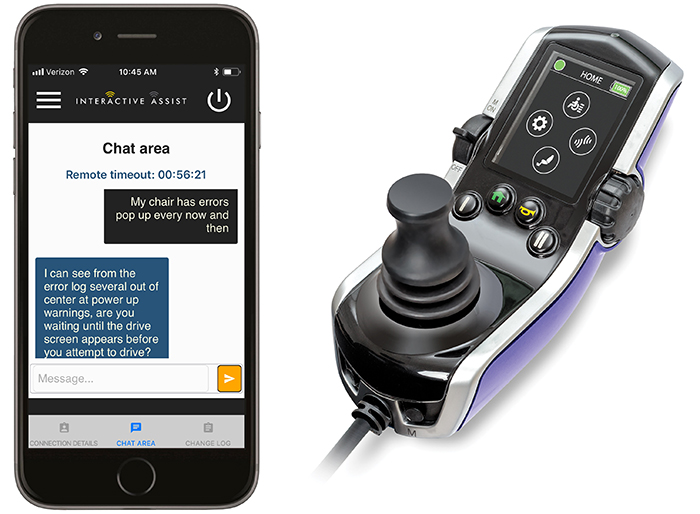
Interactive Assist is the must-have app for remote service that lets you connect with your provider in real time. This app allows you to have faster repair evaluations in the safety of your home. If your power wheelchair is experiencing issues, but your state is under stay at home orders or you prefer to practice social distancing, Interactive Assist is there to help.

Interactive Assist pairs with the Q-Logic 3 Advanced Drive Control System and provides the technician with full system and diagnostics information along with tools, such as a real-time mirror image of the power wheelchair’s electronics display. Contact your provider to find out if they use Interactive Assist. If they do, check your phone’s app store to find Interactive Assist available for download. Once you download the app, there’s an easy step-by-step tutorial to guide you through the process of activating the app on your Q-Logic 3 controller.

Learn more about Interactive Assist, how it works and which issues it can help diagnose.

Contact Your Dealer

Some problems on your motorized wheelchair can only be resolved through an in-person visit with a technician from your authorized Quantum dealer. If your provider doesn’t participate with Interactive Assist or needs to see your electric wheelchair in person, you may have to contact them directly to see if they are open and making service visits. If you are not sure who your Quantum dealer is, contact us with your power wheelchair’s serial number and we can help you find out who they are and give you their contact information. You can also use our dealer locator to find an authorized dealer near you.

Your dealer can inform you of their safety and sanitation procedures during COVID-19 and let you know how they can best assist you.

Adaptive Sports You Can Play During COVID-19

For many, staying in shape and finding the right exercises for their abilities can be difficult. Many states have been under stay at home orders for the past few months. While some states are starting to reopen, there may still be regulations regarding group activities. This can affect fitness classes and sports teams. However, there is good news. Although playing a team sport may not be on the table, there are individualized sports that you can participate in while keeping in shape.

Adaptive Mountain Biking

Even if your state is under a stay-at-home order, residents may be allowed to spend time outside. If you like the outdoors, consider mountain biking. You can try downhill mountain biking, for an adrenaline rush, or cross-country mountain biking, depending on your preferences. There are different styles of mountain bikes that accommodate riders who cannot ride a standard mountain bike, and require adapted equipment tailored to their physical, intellectual, neurological and sensory abilities. Check out our article on adaptive mountain biking to learn more about the types of mountain biking, styles of mountain bikes, and trails where you can ride.

Adaptive Surfing

Do you live near the ocean? With nicer weather coming and beaches reopening in some states, it’s possible that you can go surfing. Surfing has been adapted for wheelchair users so that people of all abilities can participate. The nice thing about surfing is that you can do it on your own, allowing you to practice social distancing while getting a good workout and having fun. In order to go surfing, there are a few things you may need. Read our article about adaptive surfing to learn more.

Adaptive Water Skiing

If you don’t live near the ocean or mountains but you live near a calmer body of water, you can try adaptive water skiing. All you need is a body of water than can accommodate a high-speed boat. Similar to adaptive mountain biking, there is a variety of adaptive equipment available that allows people of all ages and abilities to experience this fast-paced sport. After taking a few lessons and getting the basics down, water skiers can continue to participate along with their friends and family, making this an attractive sport. What’s more, you can keep your distance from the person driving the boat, allowing you to have a good time with loved ones at a safe distance. Learn more about adaptive water skiing.

Now that the weather is getting nicer, you don’t have to be limited to your house. There are plenty of fun, exciting ways to stay in shape while enjoying the outdoors. If you haven’t tried these sports before, now is the perfect time to try something new. It may just become your new favorite pastime.

Electric Wheelchairs and Public Transportation

Many people who use wheelchairs also rely on public transportation. Public transportation systems need to be compliant with the Americans with Disabilities Act (ADA), by providing reasonable accommodations for individuals with disabilities and their assistive equipment, including electric wheelchairs. There are different rules for different transit authorities, so consult with your local transit authority on their requirements. This will allow you to travel safely. Here are some general guidelines for wheelchair users that are good to know when it comes to public transportation.

Size Limits for Wheelchairs

There are a few rules when taking a power wheelchair or manual wheelchair on a bus. These rules are designed to keep the aisles of buses clear and to ensure assistive devicea don’t interfere with the safety of other riders onboard. Any wheelchair transported on a bus, trolley, subway or other form of public transit must assist the mobility of a passenger when taking it onboard. A wheelchair can be operated manually or with batteries and must have three or more wheels. Wheelchair dimensions can’t exceed 48 inches high and 30 inches wide.

Weight Limits for Wheelchairs

Generally, the operator of the transportation system needs to accommodate a passenger if the lift on the bus can accommodate them and his or her wheelchair. The total weight of an electric wheelchair shouldn’t exceed 600 pounds. If a power wheelchair does weigh more than 600 pounds, the operator is not required to transport the passenger and his or her mobility device. Wheelchair lifts must accommodate both inboard and outboard facing electric wheelchairs. Any wheelchair lift that requires a passenger to face a certain direction is not ADA compliant with the ADA regulations.

Rules on Transferring from Wheelchairs to Seats

All transit operators and personnel must be trained to assist passengers with disabilities and treat them with sensitivity. All transit personnel are responsible for making sure that public transportation is safe and non-discriminatory. Transit personnel can recommend that a passenger transfer from his or her motorized wheelchair to a seat on the bus, but the passenger may decline. Although many electric wheelchairs include safety belts, these safety belts are designed for safe operation while using a wheelchair and not for protecting a user in a vehicle accident. It is most likely safer for the motorized wheelchair user to transfer to a seat.

Securing an Electric Wheelchair During Transit

A transit official can require that a motorized wheelchair be secured during transport and they can decline service to a wheelchair user that refuses to allow his or her wheelchair to be secured. Heavier wheelchairs should be secured with four rear tie downs, instead of two. The chair must be turned off when being transported on the wheelchair lift and wheelchair locks should be used if the mobility device has them.  When the lift is level with the floor of the bus, the user can turn the power of the wheelchair back on and re-engage the drive wheels to move off the lift. Once parked on the bus, the wheelchair needs to be turned off again.