Quantum Wheelchair Seating: A Look at TB4 vs. TB3

We’re so excited about the recent launch of the TRU-Balance® 4 (TB4) seating system, which is available on the Stretto, Edge 3 and 4Front® 2 power chairs. One key thing to remember is that the TRU-Balance® 3 (TB3) seating system isn’t going away. Both Quantum wheelchair seating systems will be available based on the user’s needs. So, what does that mean? What are the differences in our TB3 vs. TB4 seating systems, and when would you consider one over the other?

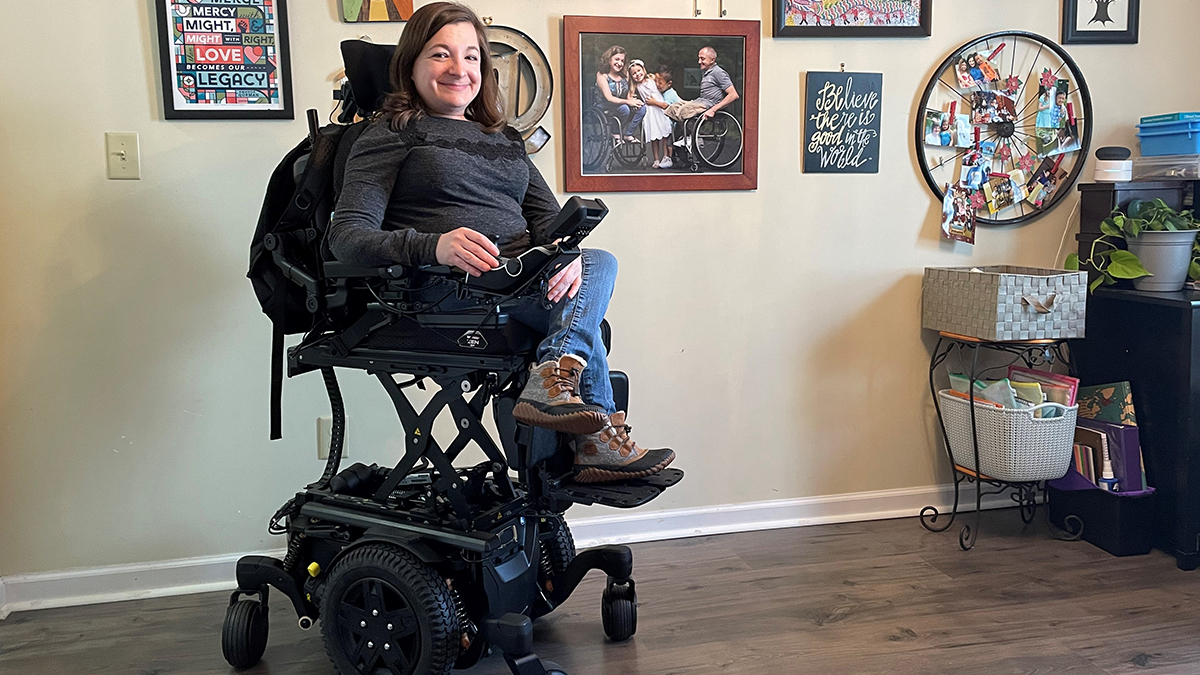
Our TRU-Balance 3 seating system is what you may be most familiar with, as this system provides power tilt, power recline, a single actuator power articulating foot platform, and the option for power seat elevation. The new TRU-Balance 4 seating system provides a few added features:

  • A dual actuator articulating foot platform that allows independent articulation of the footplate to the floor
  • Positional feedback that allows for memory seating positions
  • Ability for power anterior tilt

The Dual-Actuator Articulating Foot Platform
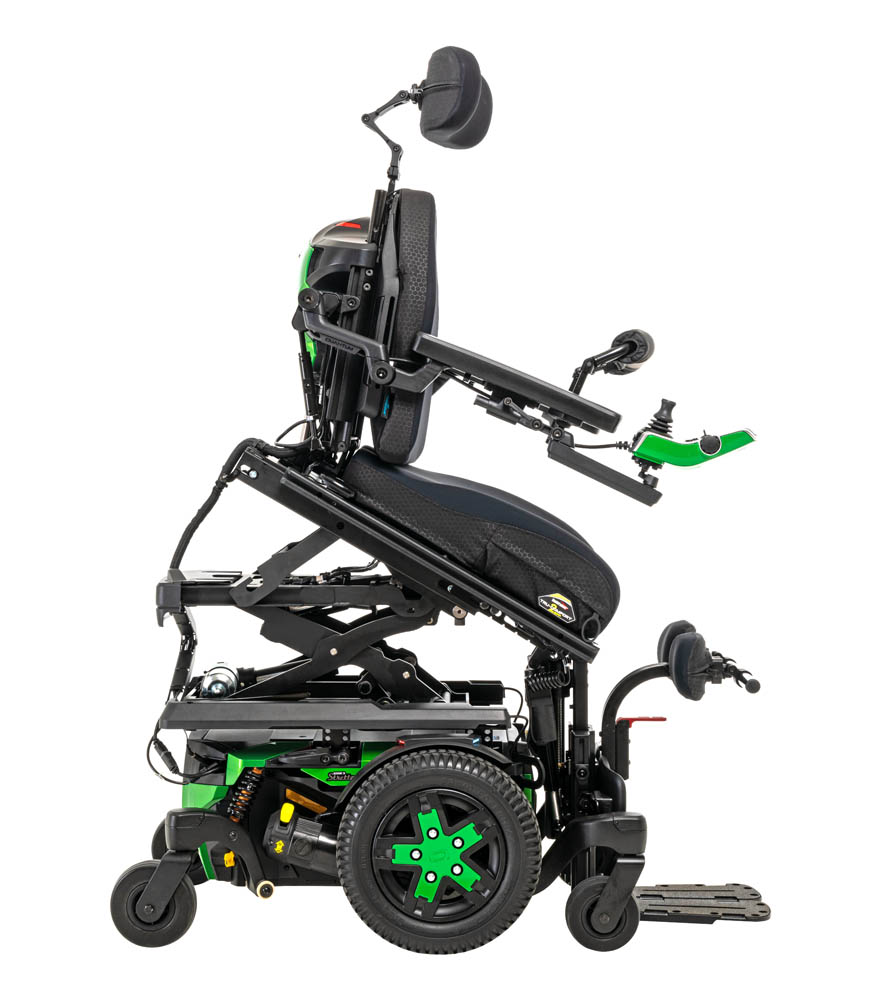
Anterior tilt on a Quantum wheelchair

The dual actuator power articulating foot platform on TB4 provides the traditional feature of lower extremity elevation with articulation. It allows the footplates to lower towards the floor without the elevation component. This can be a great option to consider for those performing a sit-to-stand or squat pivot transfer from their chair but have difficulty flipping their footplates up and out of the way.

The footplate lowered to the floor is also helpful for caregivers when assisting with transfers, as this provides a way for the footplate to get to the ground, allowing a stable position to support the user’s weight while participating in a transfer. The dual-actuator AFP feature gives our end users customization over where their lower extremities are positioned when extending and elevating their legs. A user that has their legs extended out may want to articulate down or up a little more, and now that option is available to them.

Memory Seating

The next major feature of the TB4 system is customized memory seating positions. You may be used to having multiple drive profiles on the chair for various environments, like an indoor speed profile and an outdoor speed profile. Now, memory seating offers four profiles that allow two positions in each profile, one forward and one reverse command. This means you can have up to eight unique positions saved on a Quantum wheelchair with TRU-Balance 4 seating.

Memory positions are highly customizable and make it easy for users to achieve unique functional positions that they use regularly. Some examples might be: a position for transfers, a position for watching television or relaxing, a position for driving into a van, as well as positions for cooking, functional reach and weight shifting.

There are two ways to set up memory seating. Synchronized is where each power actuator moves to achieve an identified position smoothly, all at once. Sequential is where each power actuator performs one power function at a time, which a user might use for their weight shift technique. Memory seating is great for helping users to improve efficiency and effectiveness of achieving the positions they need to access most throughout their day. 

Power Anterior Tilt on a Quantum Wheelchair

Lastly, the biggest and most important addition to TB4 is power anterior tilt. You may ask why you should consider anterior tilt vs.  just power seat elevation? The answer is that it comes down to individual needs. Many times, power seat elevation can help promote vertical access in a user’s environment, allowing more functional reach. It can also assist in making transfers easier by going from a higher seated height to the transfer location’s lower height. Of course, there many other benefits to having seat elevation on a Quantum power wheelchair.
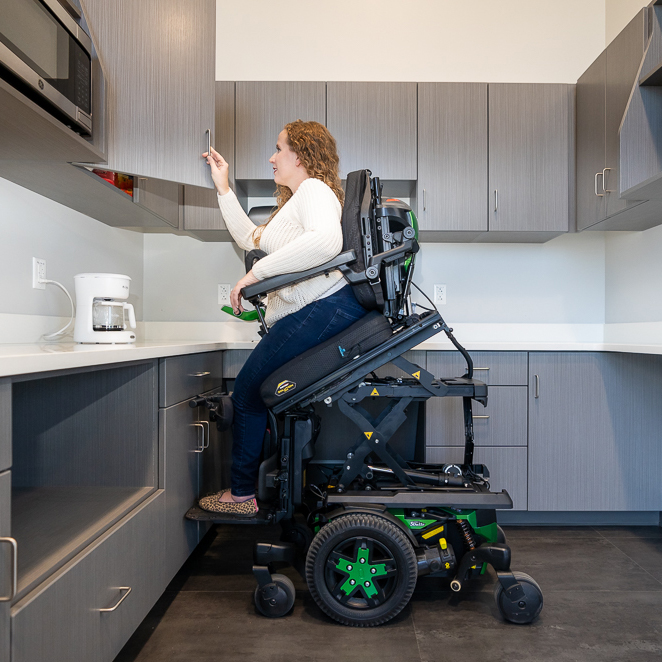
A consumer uses anterior tilt on her Quantum power wheelchair for reaching

The TB4 seating system has power seat elevation so your client can experience those advantages, with the added benefit of power anterior tilt. Anterior tilt can help with vertical reach, as well as forward reach from one’s balanced, seated position. If someone has a difficult time controlling their balance, especially when trying to reach and grab items, anterior tilt helps to bring the person towards the item they are reaching for. This reduces the amount of effort exerted from the person’s trunk muscles. The same applies if there is difficulty utilizing the upper extremities to reach, as it brings the individual closer to the object they are trying to access.

Transfers with a Quantum Wheelchair

Another area anterior tilt can assist with is transferring. Sometimes, elevating the wheelchair seat helps with achieving a standing position more easily from a taller surface. Yet, challenges may still exist with scooting forward to the edge of the seat or getting that momentum and strength to “lift off.” When an individual utilizes anterior tilt, it can help position their pelvis and lower extremities in a more advantageous position, reducing the strength and momentum needed for a standing or a squat pivot transfer.

Consider the User’s Individual Needs

When choosing between TB3 or TB4, it all comes down to the user trialing the options available and seeing what provides the most independence for their positioning needs throughout the day. Again, TRU-Balance 3 isn’t being replaced, we’re just offering an additional seating system. TRU-Balance 4 is available on our Stretto, Edge 3 and 4Front 2 power wheelchair bases and is available to trial through your local Quantum representative.

Alexandra “Alex” Chesney, OTR, ATP/SMS
Quantum Rehab Clinical Sales Manager – Midwest South Region
Assistive Technology Gives Me Greater Independence

Assistive technology has had a tremendous impact on my daily life and how I function. I’m using it right now to write this blog post! Here are a few ways that assistive technology helps me as a student, a therapist and allows me to live a more independent life.

Assistive Technology in My Work and the Classroom

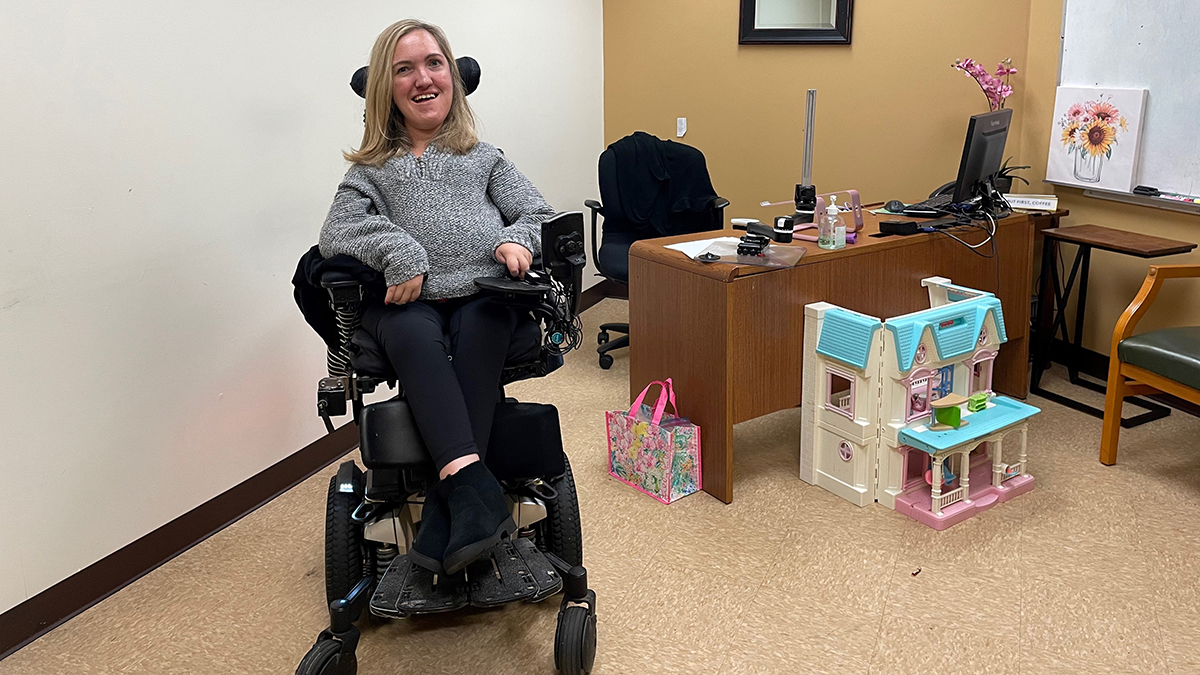
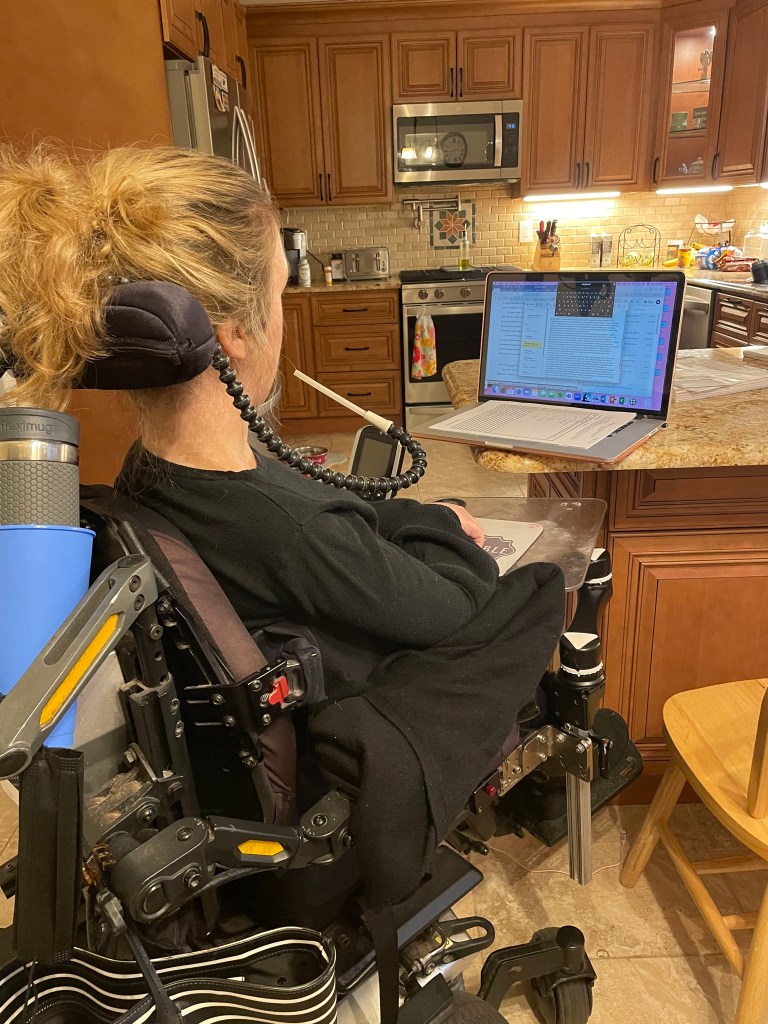
Marianne uses assistive technology to work and learn.

First, I use an onscreen keyboard and a wireless mouse to type on my laptop, as I am unable to use the traditional keyboard and trackpad. Since I have largely lost my ability to write by hand, I rely heavily on this strategy to write and communicate. I am a full-time doctoral student in psychology and have been a student for a long time. My laptop is my lifeline. I can read textbooks, participate in remote learning classes, type papers, and communicate with professors and peers all using the same device and independently!

Assistive technology also helps me in my work as a therapist. I can write notes and see clients via telehealth, all using my computer. Since the COVID-19 pandemic, my job has become much more remote, so I’m grateful that I can work independently through technology.

Communicating Through Voice Commands

I use Apple products, so I can use my phone through my computer, which gives me independence that I wouldn’t have otherwise. I don’t have the mobility to use my cell phone properly, so this comes in handy. The voice features on the iPhone allow me to make calls and text people without relying on others to help.

In terms of safety, voice commands on my iPhone and on Alexa allow me to communicate when I’m home alone. In the event of an emergency, I can reach out to get my needs met, all through my voice. This gives me the chance to stay home to watch Netflix in peace, and gives my family the peace of mind knowing that I can reach out to them in an emergency!

It’s very clear that assistive technology is an integral part of my daily life, and crucial for my safety in situations where I am alone without assistance. It allows me to work, learn, and live independently!

About Marianne Middlebrook: Born with spinal muscular atrophy, Marianne uses a Quantum power wheelchair for mobility and independence. She works as a therapist and enjoys coffee, reading and watching reality television. Click here to learn more about Marianne.


For more great blogs from our brand ambassadors and Q Roll Models, visit lifeatilevel.com today!

Return to the Life At iLevel page

Exciting Changes to Come to My Quantum Power Wheelchair

2023 is here! As we’re all making new year’s resolutions, mine is to do everything I can to improve my independence. For power mobility, this means making a few changes on my Quantum power wheelchair so that I can see what’s going on around me.

Navigating My Small Apartment

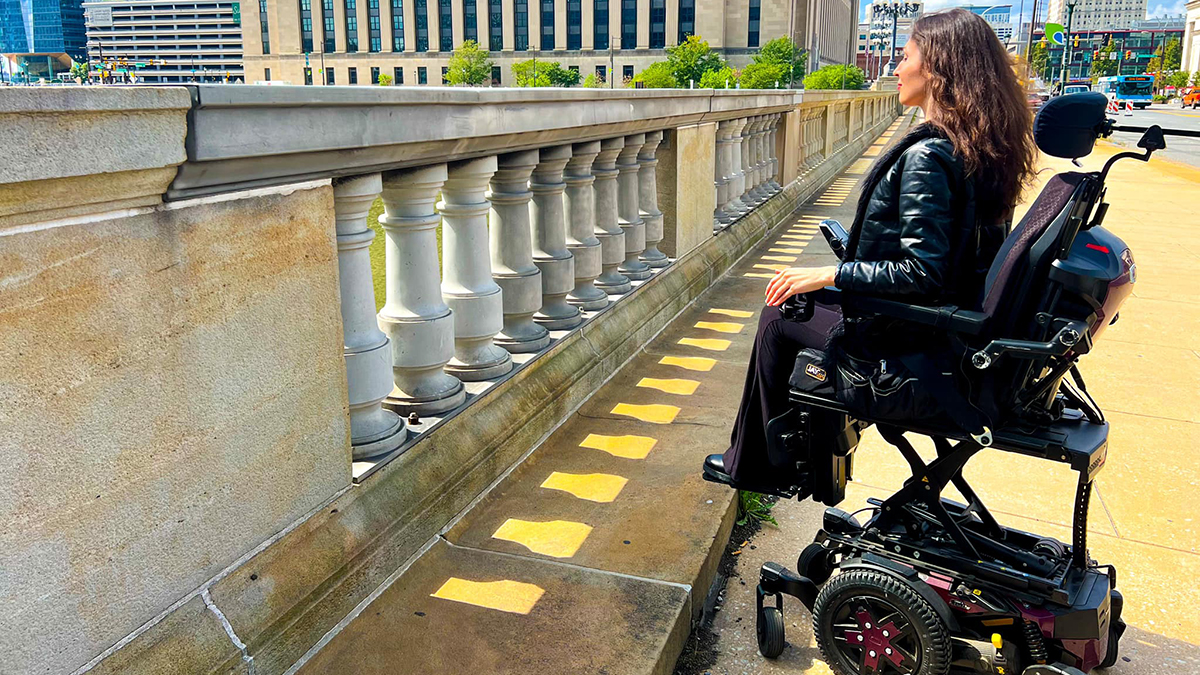
Anomie uses her Quantum power wheelchair for independence

I have a craniocervical fusion, so I do not have the ability to turn my head when operating my power wheelchair. I usually depend on an aide to tell me if there’s something behind me or on the sides if I do not have the space to turn. The past few years I’ve lived in my apartment, it has been difficult to navigate. I can fit into all the spaces, but they’re small, so I have to be very careful while moving around in them, even with my Stretto’s conveniently narrow width.

While backing up in my kitchen, I accidentally broke the knobs off my stove. It’s a gas stove, so we had to call emergency maintenance to come to check it out. Fortunately, it was fixable, but I want to make sure that it never happens again.

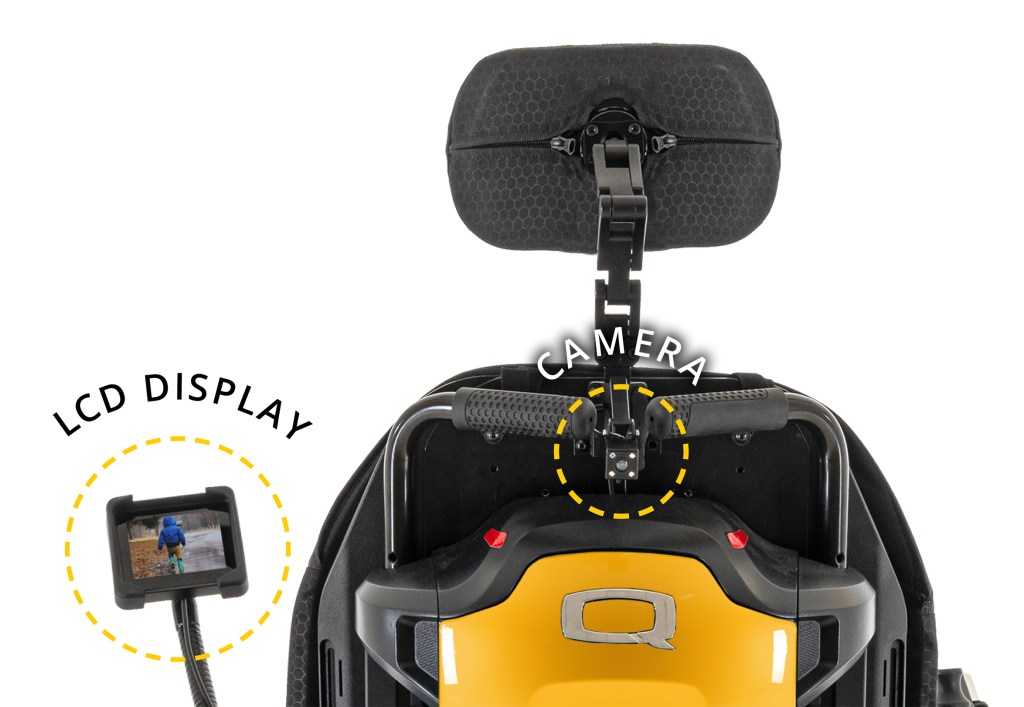
Adding a Backup Camera to My Quantum Power Wheelchair

The backup camera on a Quantum power wheelchair

My goals for enhancing my power mobility are to get a backup camera installed on my power wheelchair, so that I can navigate spaces safely and easily since I can’t turn my head. I would also like mirrors installed in the front of my wheelchair, to better visualize things that are to the sides of me better. This will give me independence in crossing the street, moving around my kitchen, and a lot more things that are difficult for me to do. Although I am a great wheelchair driver, I still need a little extra help.

I think it’s important to remember that even though we are happy with our power wheelchairs, there’s always new technology being developed to make our wheelchairs better. So, as I work on myself in 2023, I will be working on my wheelchair as well, because it is a part of me.

Anomie Fatale: Anomie is a musician who performs at shows and open mic nights in Philadelphia. She is the current titleholder for Ms. Wheelchair Pennsylvania USA 2022 and is passionate about helping others. Click here to learn more about Anomie.


For more great blogs from our brand ambassadors and Q Roll Models, visit lifeatilevel.com today!

Return to the Life At iLevel page

Return to Lifestyle

How the Straw Ban Impacts People with Disabilities

Drinking straws are assistive device that help many people with disabilities drink safely, but there has been a push in recent years to ban single use straws. Plastic single use straws are one of the top forms of waste in our oceans. They pollute the earth and harm the ocean’s wildlife. When thinking about the impact straws have on the environment, it is a no brainer why there is a push to ban straws. Yet, what about the impact the straw ban would have on the disability community?

How Plastic Straws Help People with Disabilities

Many people with mobility limitations are not able to lift a cup high enough to drink from it. For others, straws can prevent choking. As someone who is a quadriplegic, I do not drink a single drink without a straw. If I were to drink without a straw, there is 90% chance that the drink will end up all over me instead of in my mouth. I will go without a beverage before I attempt to drink that beverage without a straw.

people with disabilities rely on plastic straws as an accessibility tool
Photo by Pixabay on Pexels.com

There have been several alternatives given to replace plastic single use straws but they come with their accessibility concerns. Reusable straws can be sustainable in some situations but not all. They need to be cleaned after every use, which may not be feasible for the disabled person to do in every situation. Depending on the material the straw is made out of, there can be health risks. Glass straws can break and metal or acrylic straws can keep drinks too warm, causing a burning hazard. Other single use materials such as paper and bamboo disintegrate when wet, increasing the risk of choking.

Where Do We Go from Here

It is important that that we take care of our environment but not at the expense of disabled peoples lives. Plastic single-use straws are an accessibility need for people with disabilities. Let the straws stay while we find other ways to take care our Earth. Why not start with the six pack rings that are known to endanger penguins and other wildlife?

About Isabella Bullock: Isabella, or Izzie for short, is an employment specialist for the Center of Independent Living. She is an iced coffee enthusiast who enjoys getting lost in a good book. Click here to learn more about Isabella.


For more great blogs from our brand ambassadors and Q Roll Models, visit lifeatilevel.com today!

Return to the Life At iLevel page

Return to Lifestyle

Celebrating the Life and Legacy of Martin Luther King Jr.

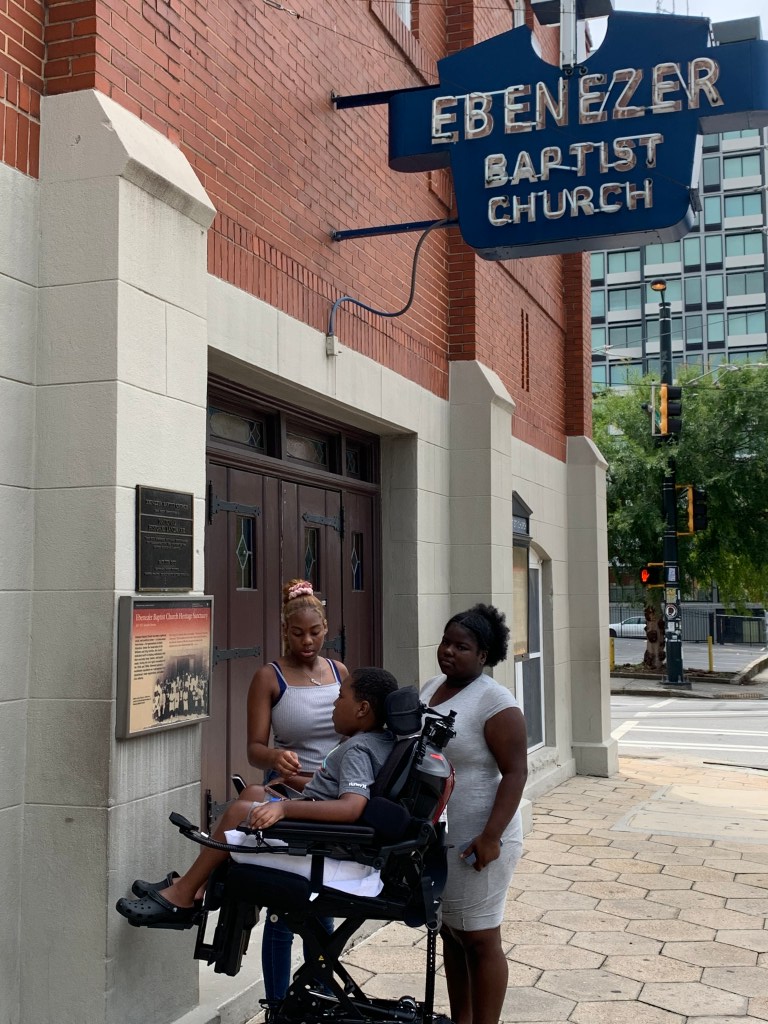
The life and legacy of Martin Luther King Jr. is celebrated on this day, although we should recognize the great things African Americans have done every day, all year long. Morgan Steward and his family always take the time to look into and explore other areas of black culture. Here are their experiences at the Martin Luther King Center in downtown Atlanta, Georgia.

Visiting the Martin Luther King Center

The mission of the King Center is to educate and empower people to create a just, equitable and peaceful world, applying Dr. King’s nonviolent philosophy. The museum has lots of memorabilia from Dr. King’s past. You can also visit Dr. and Mrs. King’s crypt and the Freedom Hall, which is an exhibition center for programs and special events.

The Martin Luther King Jr. Reflecting Pool

After Martin Luther King, Jr. was assassinated in 1968, he was carried to Southview Cemetery. In 1970, his remains were moved to the current King Center campus. Here is what Morgan had to say about the reflecting pool.

“What’s most beautiful is that Dr. Martin Luther King Jr. and his wife, Corretta Scott King, have been laid to rest in a tomb in the middle of a reflecting pool at the King Center. The tombstones have their names engraved on them and are raised above the water’s surface, completely surrounded. Plus, there is the eternal flame set up right across from the tombstones and it shines constantly.”

The Eternal Flame symbolizes the continuing effort to realize Dr. King’s dream of a “beloved community,” that offers justice, peace and equality for all.

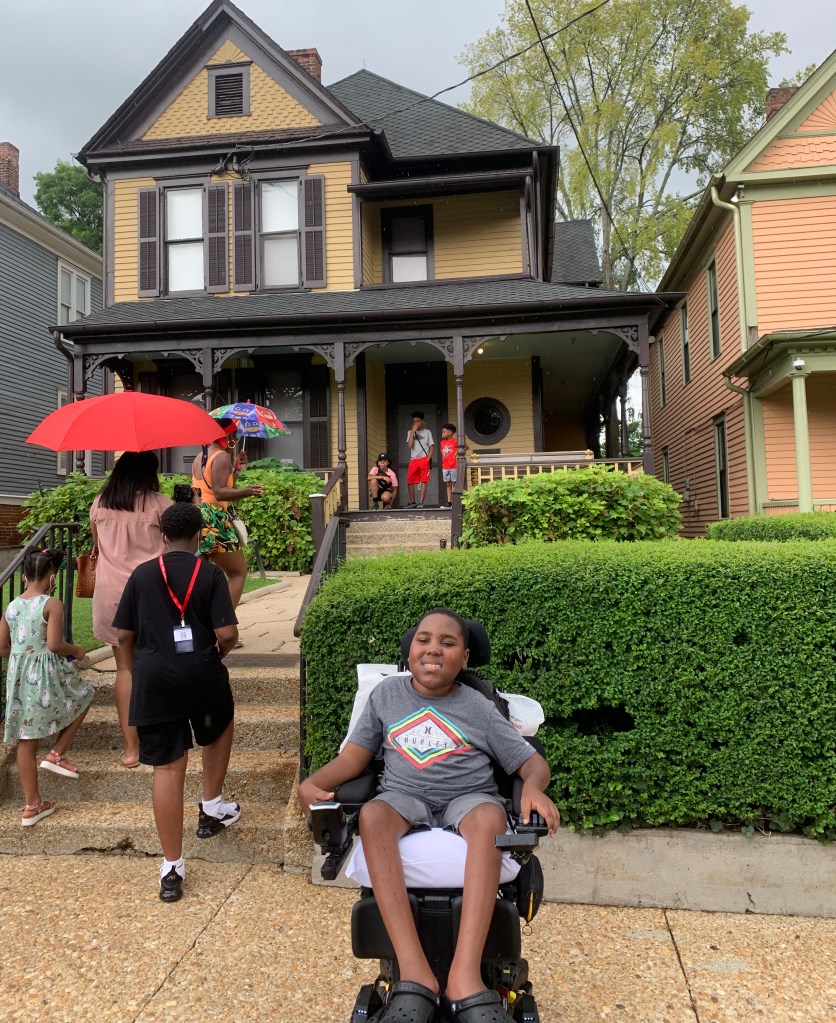
The Childhood Home of Martin Luther King Jr.

Dr. King’s childhood home is near the King Center, located at 501 Auburn Avenue NE. The family lived there until 1941. Tours of the home are conducted by the National Park Service and registration is required at the visitor’s center. Tours are limited to 15 people and run every 30 minutes. Here’s what Morgan had to say about wheelchair accessibility at Dr. King’s birth home.

“The house has a wheelchair elevator. The elevator was built onto the back of the house for visitors who need wheelchair accessibility to view the first and second floor. There is a ranger from the National Park Service who gives tours and provides insight into how the family lived. It’s so amazing.”

The Historic Ebenezer Baptist Church

The Ebenezer Baptist Church is located at 407 Auburn Avenue. Dr. King served as the co-pastor for the church in 1947, leaving briefly to attend Crozer Theological Seminary in 1948. From 1960 until his death, Dr. King returned to co-pastor the church.

Click here to read Morgan’s full blog.

Return to Wheelchair Travel

People with Disabilities and Preparing for Winter Weather

In my previous blog, I explained some of the reasons as to why people with disabilities may be more susceptible to cold weather and need to take extra precautions. So, what can people with disabilities do to prepare for extremely cold weather? Here are some tips.

Dress in Layers

Dressing in layers can help people with disabilities in staying warm.
Photo by Liam Ortiz on Pexels.com

Wearing layers can help keep you warm by trapping heat between the layers. Choose materials that will keep you warm, such as wool or synthetic fabrics, and be sure to cover your head, hands, and feet. My favorite layer is my sherpa-lined pants. They are so huge, I have to store them in my closet because they’d take up a whole drawer! They make me look a bit ridiculous but I’m warm and cozy (and have apparently reached the age where that matters most).

People with Disabilities and Staying Hydrated

It’s important to drink plenty of water, even when it’s cold outside. Dehydration can make you feel colder and can exacerbate health problems. We were so fortunate to have power throughout this event, so we had access to ice and water, allowing us to cook. We need to put a plan in place for when we don’t have access to water.

Stay Informed

Keep track of the weather forecast and stay aware of any weather-related alerts or warnings. If you have a disability that may make it harder for you to evacuate in an emergency, make a plan with your family or caregivers and make sure you have an emergency supply kit on hand.

Be Careful with Temporary Heating Options

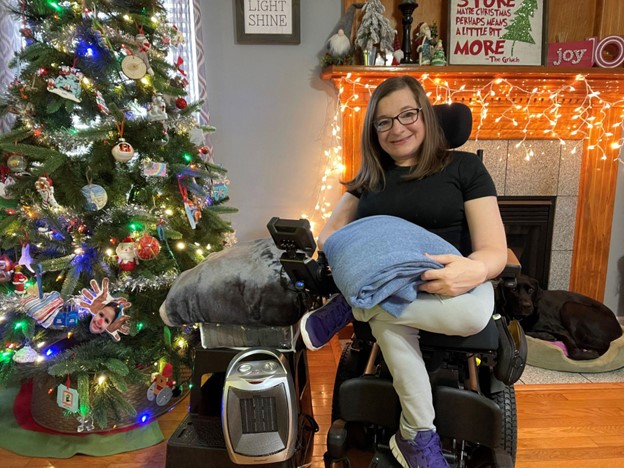
We’ve now stocked up on a couple of safe(r) space heaters. With three kids, we looked for features that turn off the heater if it accidentally tips over. We also found heated blankets with functions that turn the blanket off after a certain amount of time. We wanted to stay warm without creating another disaster in a house fire!

People with Disabilities and Asking for Assistance

If you need help preparing for or coping with extremely cold weather, don’t be afraid to ask for it. Reach out to friends, family, or local organizations for assistance with tasks such as shoveling snow or getting to a warming center. We are beyond grateful for family support to help us with these things. We’ve recently tried to find consistent people to pay for shoveling and so far, haven’t been successful. Even if you need help, ask for it, and can pay for it, we as a disability community, need to talk about what happens when we still can’t get the help we need. It happens.

There are still several months left of potential winter weather in our area of the country. We can’t avoid it but we can be prepared when it’s here. Stay warm!

About Kara Ayers: Kara is a mother of three and lives in Ohio. She is an associate professor at Cincinnati Children’s Hospital and Medical Center. In 2021, Kara spoke to the Biden-Harris COVID-19 Equity Taskforce about the need for people with disabilities to access the COVID-19 vaccine. Click here to learn more about Kara.


For more great blogs from our brand ambassadors and Q Roll Models, visit lifeatilevel.com today!

Return to the Life At iLevel page

Return to Lifestyle

Return to Health and Wellness

Me, My Quantum Wheelchair and Five Questions I’m Asked

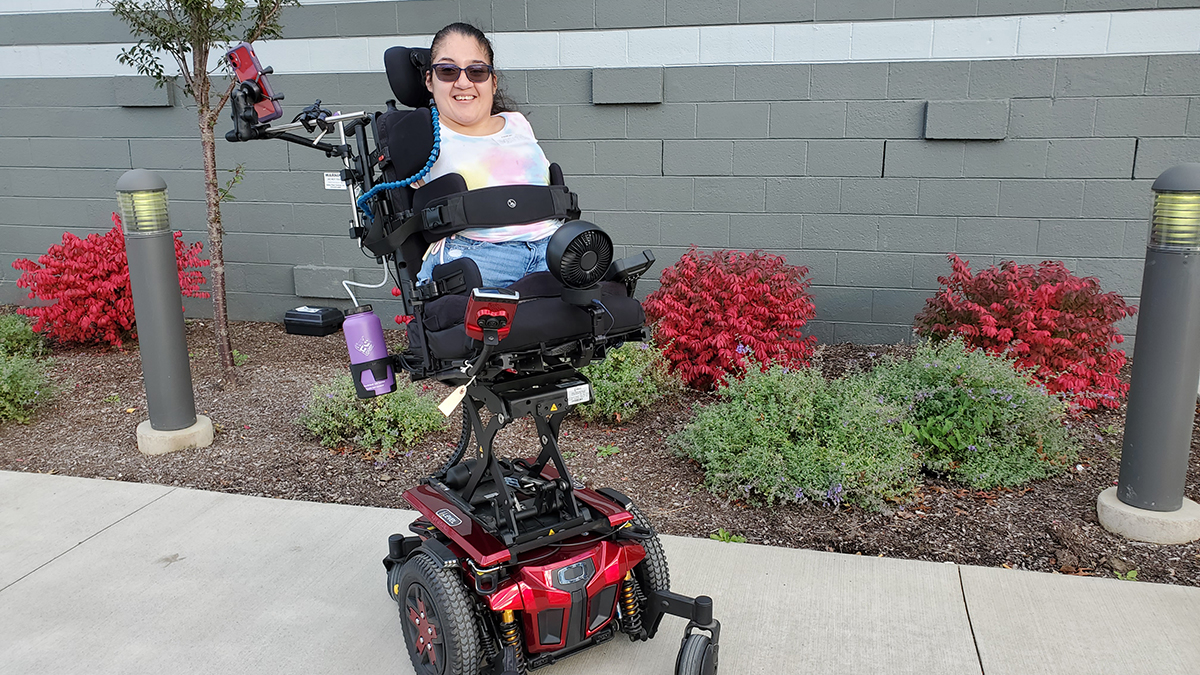
I know that us wheelchair users get asked a lot of questions, especially if you have a complex rehab power wheelchair like my Edge® 3 with iLevel® technology. The great thing about complex rehab is that it can be customized to meet an individual’s needs.  Everyone has their own way of using a wheelchair, whether you use a regular joystick or a head array like me. Still, people often have questions about cost, insurance, and so much more. Here are some common questions and answers people may ask about a Quantum wheelchair.

Why Do They Call it iLevel on a Quantum Wheelchair?

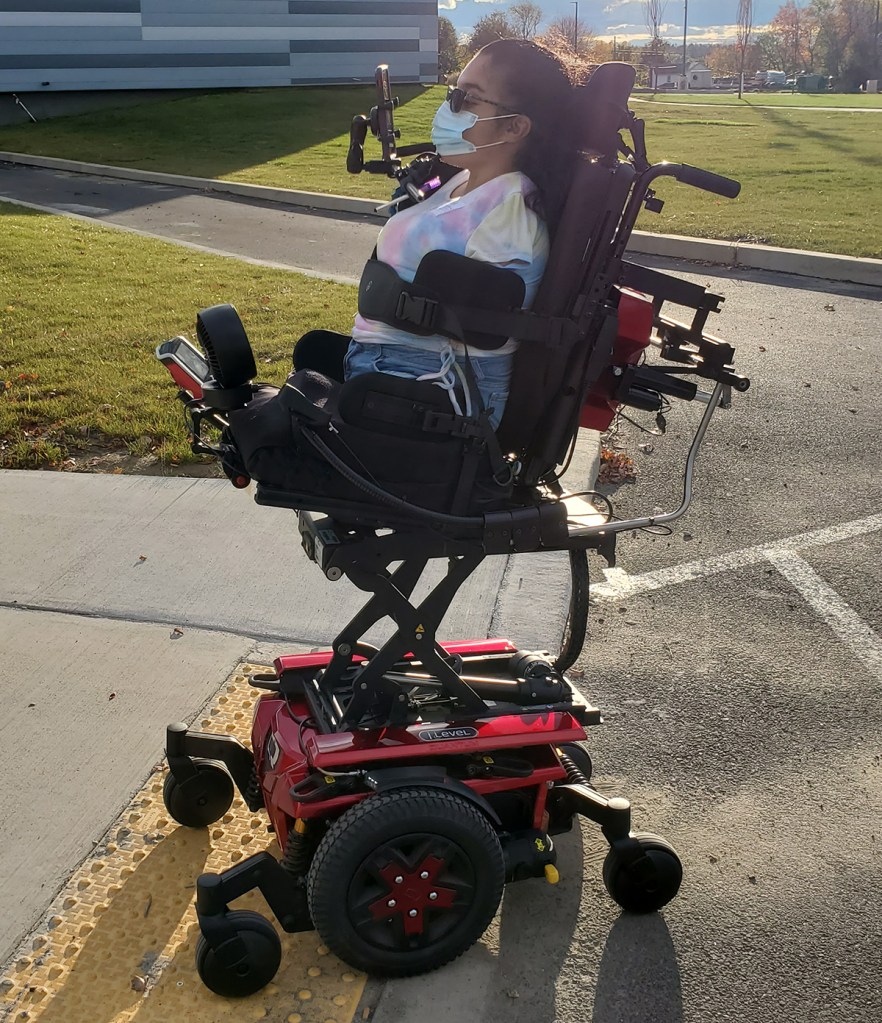
People often ask me about the power adjustable seat height on my Edge 3 power chair and why it’s called iLevel. When my complex rehab power wheelchair seat elevates, it raises me up so that I can be at eye level with my friends, family and peers. Having the ability to look someone in the eye when speaking, instead of looking up at them, is a game changer for social situations and gives wheelchair users confidence.

How Fast Can a Wheelchair Go?

The speed of a complex rehab power wheelchair can vary, depending on many factors, such as the weight of the user, the terrain and battery type. My Edge® 3 power chair can drive up to 6.25 mph when in the lowered position. Now, that may not be as fast as you think it is, however, believe me when I say that it’s really fast. When I am elevated at iLevel, the speed is reduced and I can drive up to 4.5 mph, which is still very fast. Learn more about how fast can a wheelchair go.

Does Medicare Cover Wheelchairs?

After an exam, a clinician may write you a prescription for a Quantum wheelchair
Photo by Karolina Grabowska on Pexels.com

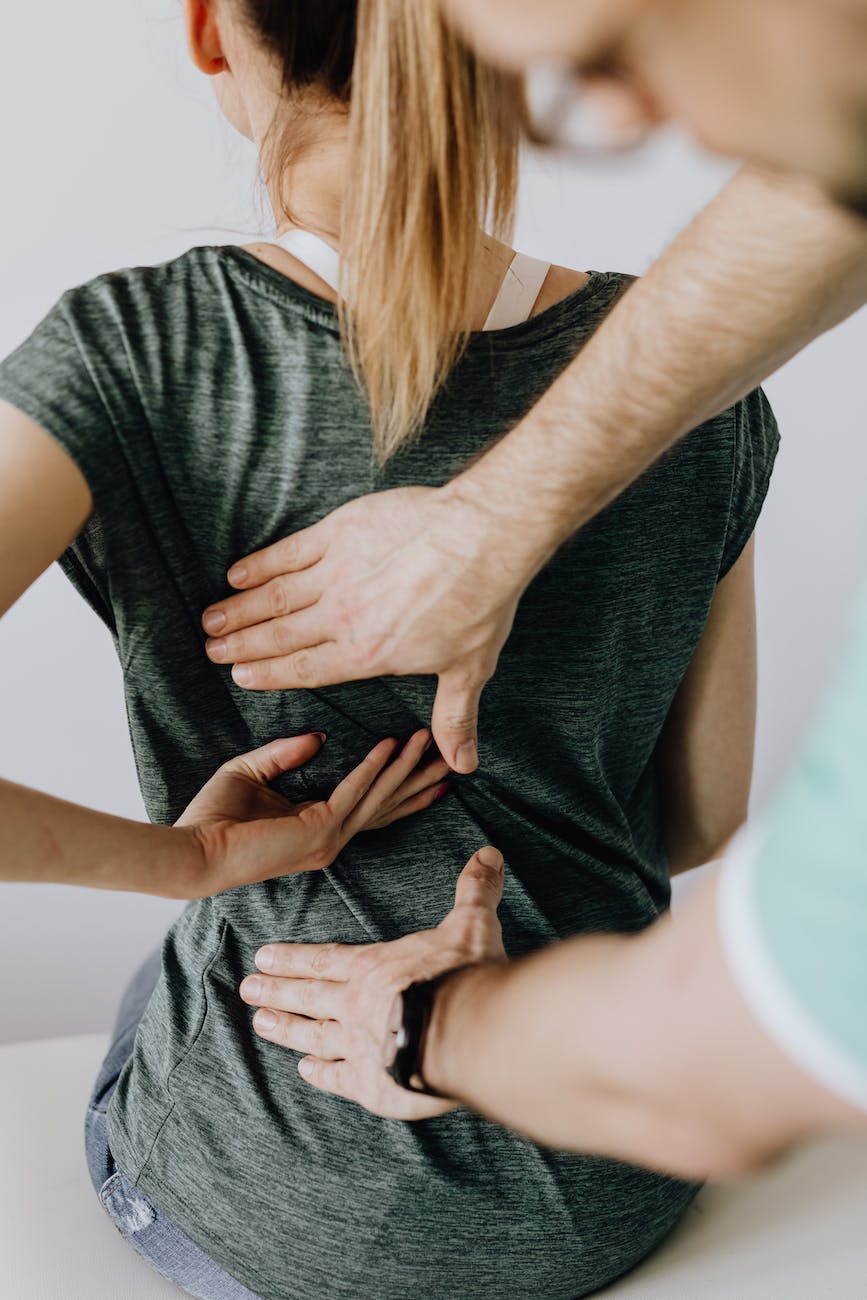
Medicare, Medicaid and other third-party insurers may cover the cost of a Quantum power wheelchair if you qualify. To find out if you qualify, you must schedule a face-to-face visit with your doctor or physical therapist. An in-person evaluation is conducted to determine if you would benefit from complex rehab technology. This would be supported with your medical records. The clinician may write you a prescription for a Quantum power wheelchair. The clinician may also take measurements of your body to determine the wheelchair seat width and depth, length of footplates, and much more. Discover more on does Medicare cover a wheelchair.

How Much Does a Wheelchair Cost?

When purchasing a complex rehab power wheelchair from Quantum, the cost can vary greatly. Quantum wheelchairs are customized with different seating, positioning and electronics to meet the user’s unique needs. The cost is determined by the components selected. An authorized Quantum provider can assess your needs and give you a quote.

Where Can I Buy a Quantum Wheelchair Near Me?

Once you are ready to purchase your Quantum power wheelchair, just contact your closest Quantum dealer. If you don’t already have a dealer, you can use the dealer locator. Typically, a dealer has an ATP on staff, who will work with you and your clinician to decide which power chair is best for your needs. Learn more about how to purchase a power wheelchair.

About Zoe Hernandez: Zoe lives in Meriden, Connecticut. A Quantum® brand ambassador, Zoe attends Abilities Expos and speaks with people about her disability. She is currently enrolled in college and hopes to work in a community one day with people who are just like her. Click here to learn more about Zoe.


For more great blogs from our brand ambassadors and Q Roll Models, visit lifeatilevel.com today!

Return to the Life At iLevel page

Return to Power Chairs

There is Life After a New Disability Diagnosis

When I was first diagnosed with a disability and realized I could no longer walk, it hit me like a ton of bricks. I was diagnosed with an auto immune disease that attacks your muscles. I lost 50 percent of my muscles in my legs and arms. For what seemed like an eternity was only about 30 days of me going to and from the doctors to really understand the severity of my disease and how my life would forever change with this disability diagnosis.

Adjusting to a New Normal After a Disability Diagnosis

When you are dealing with a life changing situation, people aren’t sure how to approach you. They don’t know if they should be sympathetic, pretend everything is normal, or check on you every five minutes because they are not sure how to reac. After about 6 month of rehab, my doctor’s office asked me to come to a women’s support meeting to speak to ladies that were new to having mobility challenges for various reasons. Once I understood my disease, I made a personal choice to talk to others who needed a friend, mentor, or a shoulder to cry on.

Becoming a Mentor to Other Disabled Women

Merlisha mentors a young woman following her disability diagnosis

The first time I spoke at the women’s meeting, I told them that all their emotions were completely valid. I explained to them there are times when you will feel sad, angry, and even optimistic about your future. That all comes with time. My primary focus to meeting with them was to show them there is life after being disabled, and everyone must find their new “norm.” We all had to learn what we could do and what our limitations are. More importantly, we learned when it was okay to ask for help. I meet with the ladies from my doctor’s office once a month via Zoom. I share with them how critical my Edge® 3 power wheelchair with iLevel® was for me in my recovery to getting back out in the world again. I talked to them about different devices used to make life a little easier when you have lost your mobility or just have mobility challenges. Meeting with these ladies showed me that I need to be a beacon of light for those who thought their future was so dim after becoming disabled.

Becoming an Example to Kids Who Have a Disability

Not long after, I volunteered at my kids’ school to show them that parents who are disabled can be just as active as non-disabled parents, it just looks a little different. Along this journey, I met a few kids who were navigating their school environment with a disability. They get excited when they see me as they have told me they want to be like me when they grow up. I didn’t understand it then, but I get it now. I realized my experiences were really about all those men, women, and children that just needed to see that there is life after becoming disabled.  

About Merlisha Henderson: Merlisha uses an Edge 3 Power Wheelchair for mobility and lives in Arizona with her family. As a wife, mother and disability advocate in her community, she stays active and independent, working toward bringing equality and access to all. Click here to learn more about Merlisha.


For more great blogs from our brand ambassadors and Q Roll Models, visit lifeatilevel.com today!

Return to the Life At iLevel page

Return to Lifestyle

Return to Health and Wellness

How Extreme Weather Threatens People with Disabilities

A few days before Christmas, our area was hit with an arctic blast that dropped temperatures well below zero. On the first morning of the flash freeze, we woke up to a cold house. Our furnace wasn’t working. I am so incredibly fortunate that my cousin is an HVAC expert and was available to come up that night. Thanks to his skills and generosity, our time in a cold house was brief but it got me thinking about our need to better prepare. Extremely cold weather can be a challenge for anyone, but it can be especially difficult for people with disabilities. As is often the case, this artic blast was accompanied by snow, further complicating our options to get out and go somewhere else for warmth. Here are some reasons why people with disabilities need to take extra precautions during extremely cold weather.

Limited Mobility

People with mobility impairments may find it difficult to walk or move around in cold weather, particularly if there is snow or ice on the ground. This can make it hard for them to get to work, take their children to school, or get to medical appointments.

Sensory Issues for People with Disabilities

Some people with disabilities, such as those with visual or hearing impairments, may not be able to fully perceive the dangers of extreme cold. For example, they may not be able to see thin ice or hear a car approaching on a slippery road.

Medications and Health Conditions

depth photography of blue and white medication pill
Photo by Pietro Jeng on Pexels.com

Cold weather can exacerbate certain health conditions, such as asthma or arthritis. People with disabilities who take medications may also find that the cold affects the way their medications work.

Limited Access to Resources

People with disabilities may have limited access to resources that can help them stay warm, such as transportation to a warming center or assistance with shoveling snow.

Click here to read part two of this blog series.

About Kara Ayers: Kara is a mother of three and lives in Ohio. She is an associate professor at Cincinnati Children’s Hospital and Medical Center. In 2021, Kara spoke to the Biden-Harris COVID-19 Equity Taskforce about the need for people with disabilities to access the COVID-19 vaccine. Click here to learn more about Kara.


For more great blogs from our brand ambassadors and Q Roll Models, visit lifeatilevel.com today!

Return to the Life At iLevel page

Return to Lifestyle

Return to Health and Wellness

An Action Packed Year in My Quantum Power Wheelchair

The year 2022 was action-packed, filled with great people and memories. My Quantum power wheelchair with iLevel® has been along for the journey, helping me achieve many things. Here are some of the great highlights of the past year.

Cheering on the Bengals with My Quantum Power Wheelchair

2022 started with my favorite team, the Cincinnati Bengals, making a run to the Super Bowl. It was a dream come true to see the Bengals play in the Super Bowl, and even though we didn’t win the game, I will carry those memories with me forever.

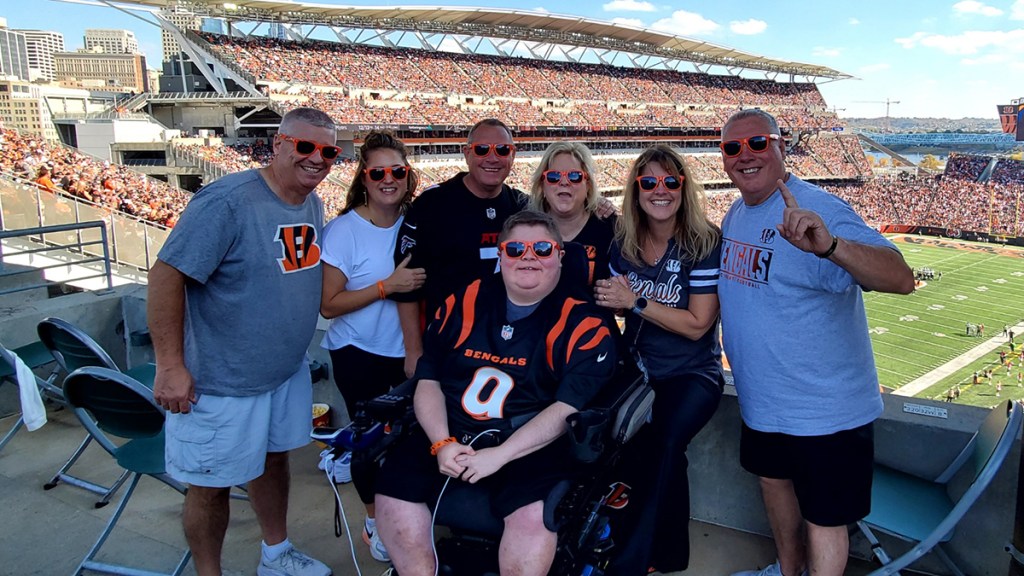
Bryson, in his Quantum power wheelchair, with friends cheering on the Bengals

In addition, one of the year’s highlights was when I attended a Bengals game in Cincinnati, which marked an item off my bucket list. The Bengals beat the Atlanta Falcons 35-17, and my Quantum power wheelchair with iLevel gave me a great view of the action. Seeing my favorite team play was an emotional affair and something that I will never forget.

Taking My Quantum Power Wheelchair to College

As I wrapped up my junior year of college, my Stretto power chair roamed all over UNC Charlotte’s campus. I was named Niner Times assistant editor of the year and was promoted to the sports editor position. With iLevel, I successfully led my staff during meetings, as being raised up helps me instruct and teach the writers.

Over the summer, I attended a conference hosted by the National Sports Media Association, in Winston Salem, N.C. I learned about different writing techniques. Being elevated at iLevel on my Stretto power chair helped me mingle with other journalists and to see presentations.

In terms of my skills as a writer, I got out of my comfort zone by writing new sports articles and dipped my toe into opinion writing. I am more in love with journalism and want to pursue a career in it. I won multiple scholarships and decided that I was going to continue my education by going to graduate school at UNCC.

Family, Friends and Everything in Between

This year, I celebrated my 22nd birthday with a party with all my close friends. It was a great celebration filled with food, fun and fellowship with the people who mean the most to me. I attended a ton of school functions and sporting events, plus experienced new things and met new people. I discovered my passion for disability rights through my work with Quantum and made great memories with all my friends and family over the holidays.

Throughout it all, my Quantum power wheelchair was with me and the level of independence my power chair gives is a huge reason for all the memories I made. Here’s to 2023 and what it holds for all of us.

About Bryson Foster: Bryson lives in North Carolina. He advocates and raises funds for the development of treatments for muscular dystrophy. He loves sports and cheers for his favorite basketball team, the North Carolina Tar Heels. Click here to learn more about Bryson.


For more great blogs from our brand ambassadors and Q Roll Models, visit lifeatilevel.com today!

Return to the Life At iLevel page

Return to Lifestyle