Best Winter Clothing Tips for People with Disabilities

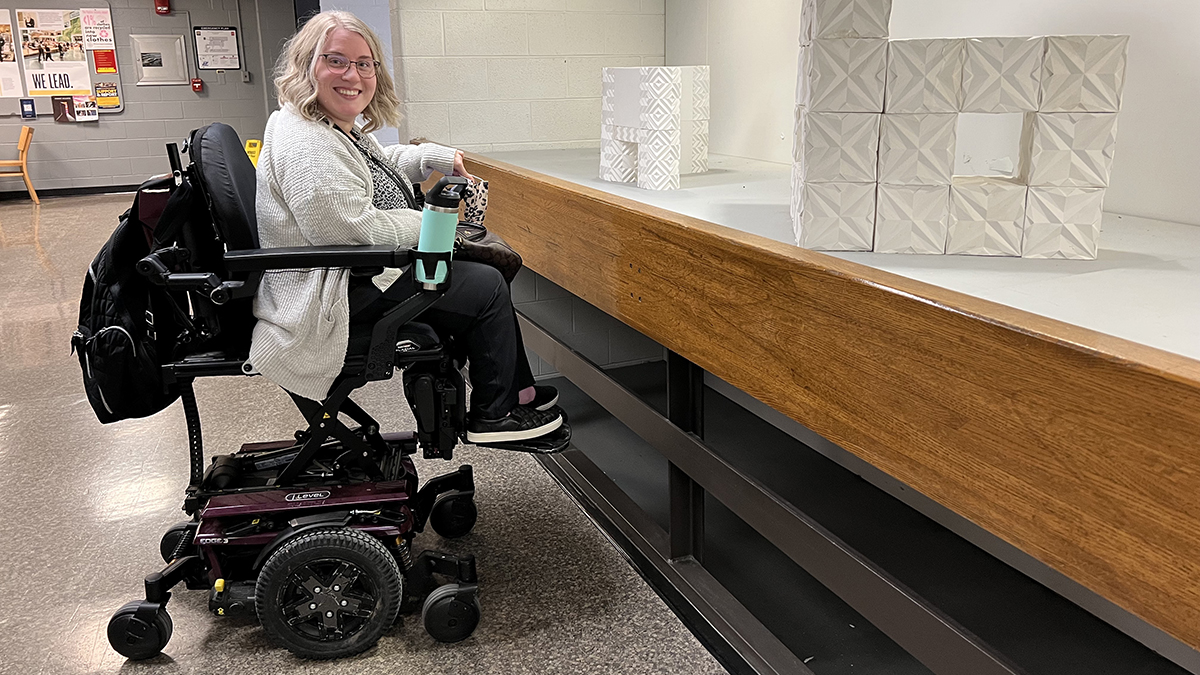
Winter has never been my favorite time of year. For many of us with physical disabilities, colder weather can affect our mobility and have various other impacts. That said, living most of my life in climates that have four distinct seasons has caused me to develop a strong cool weather routine. This year, I’ll experience a milder winter than I have in seasons past, but that doesn’t mean I won’t be pulling out my tricks to survive the cooler temps. Here are a few of my winter clothing tips for people with disabilities.

Wear A Lightweight Coat or Jacket
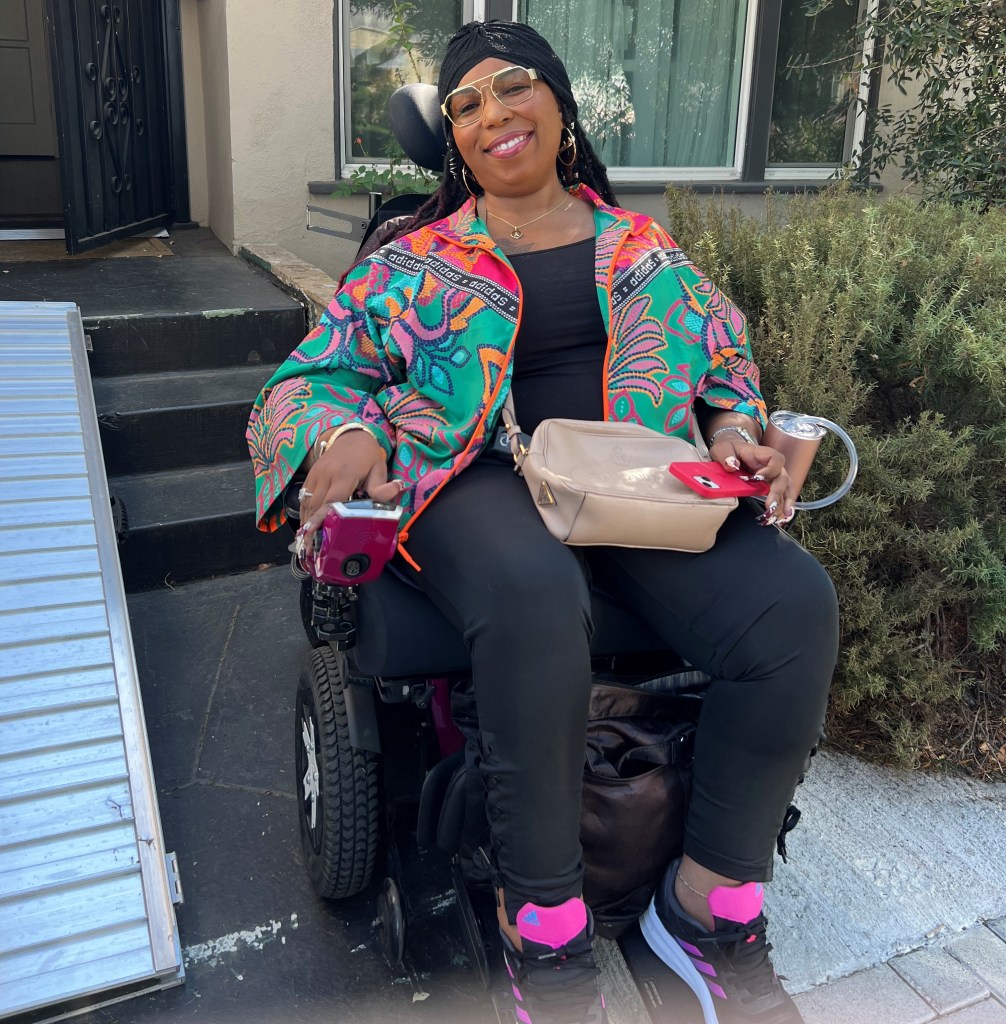
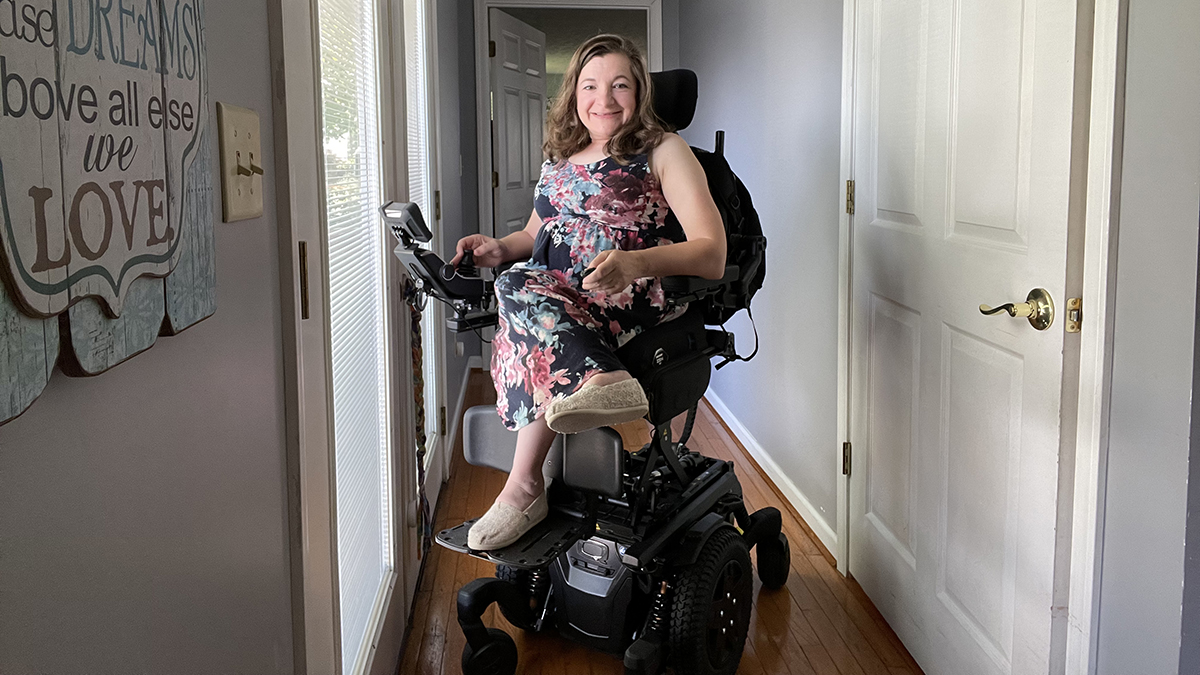
Andraea offers suggestions for people with disabilities on ways to dress for winter months

When I lived on the east coast, one of the hardest things to find was a coat that would keep me warm while not being so heavy that I couldn’t move my arms.

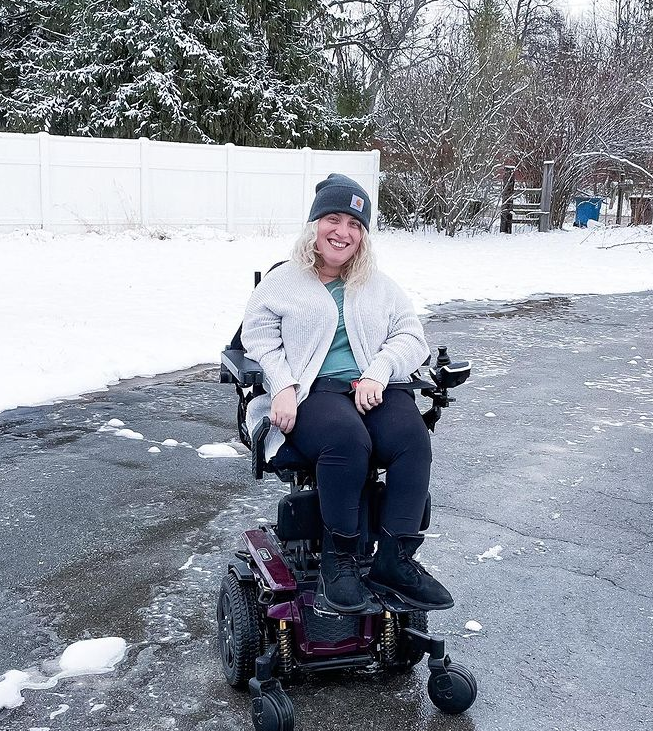
I finally discovered that anything insulated with feathers (fake ones are fine) was the best option to ensure I could move and not freeze. Even in a milder winter, I’m finding it’s important to find jackets that are breathable (meaning more lightweight) and warm.

Choose a A Comfy Hat or Head Covering

One concept I embraced in colder winters was the idea that if your head, feet, and neck are warm, your entire body will stay warmer. As such, come November, no matter where I live, I make sure to have a head covering. On any given day, that could mean a beanie, beret, turban, or wide-brimmed hat. No matter what, my head is covered.

A Fun, Warm Scarf Completes Your Ensemble

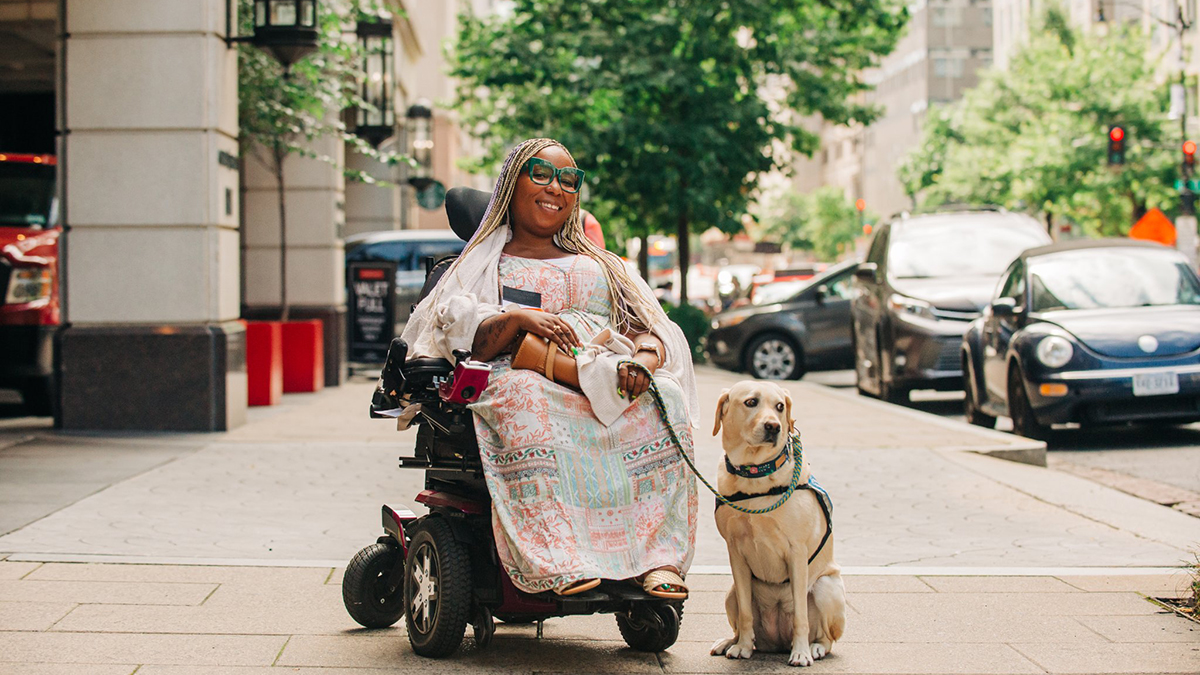
As mentioned, keeping your neck warm is a key to maintaining body heat, particularly for those of us impacted more heavily by cold weather. In the winter, I tend to trade out necklaces and make colorful scarves my daily accessories. One thing I love about scarves is the variety of materials, colors, and weights they in. From pashmina style scarves with cultural patterns to heavy knit or crochet scarves with more of a classic look, the scarf possibilities are endless.

What are your favorite cold weather staples to keep you warm?

About Andraéa LaVant: Andraéa is a disability consultant and worked as an impact producer for Crip Camp, a feature-length documentary on Netflix. Andraéa lives in California and uses a 4Front 2 Power Chair.


For more great blogs from our brand ambassadors and Q Roll Models, visit lifeatilevel.com today!

Return to the Life At iLevel page

Return to Lifestyle
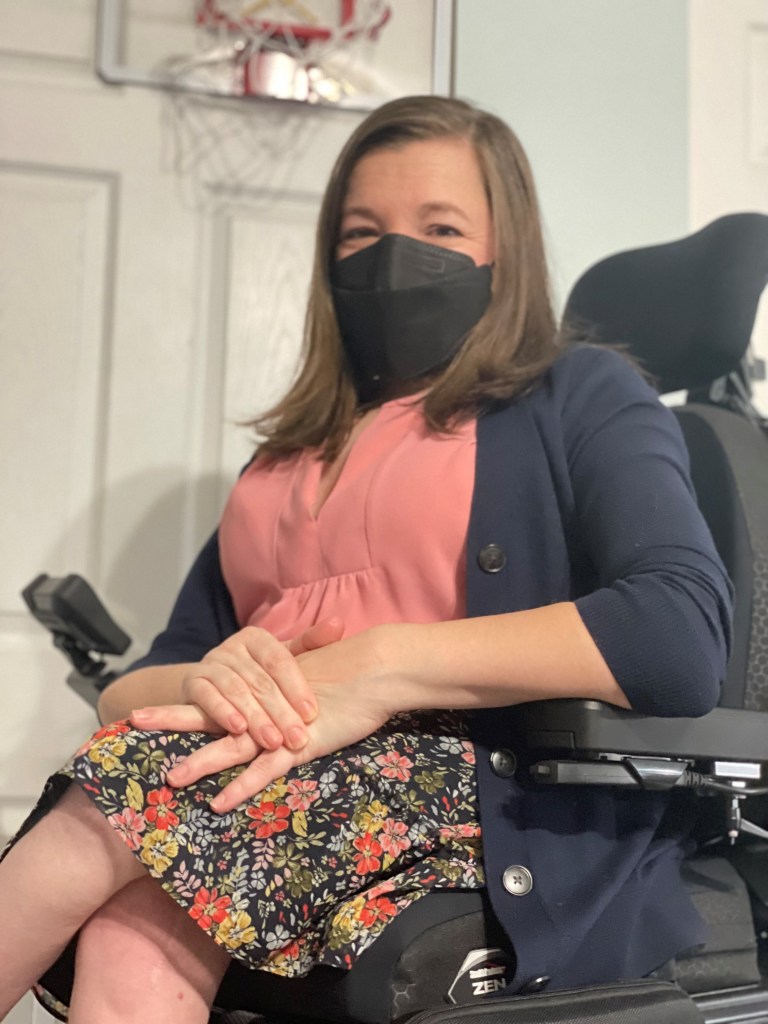
My Thoughts on Why I Wear a Mask

It’s been almost three years of thinking about and planning around COVID-19. We’re all sick of worrying about the illness. For those of us who are at an increased risk if we become infected, we can’t ignore its presence. Even with this, I’ve changed my approach over the last few years (and even months). I’m not a medical doctor but I’m fortunate to have direct connections to the healthcare field for updates. These have helped me feel like I always have a trusted source. That said, my approach might not be best for you. It might not even be best for me by next month! I continue to try to learn and adapt. Here’s my plan for now.

Why Do I Still Wear a Mask?

light blue one use medical protective masks
Photo by Karolina Grabowska on Pexels.com

I still wear a mask in crowded spaces because I have less control over other factors that could minimize spread. With colder weather, there are fewer opportunities to be outside. I wear a mask to protect other people and myself. In the last few months, I’ve found myself thinking about the need to wear a mask because our children’s hospitals are overflowing with kids who are sick from respiratory illnesses (https://www.nytimes.com/2022/11/01/science/rsv-children-hospitals.html). Even if it’s not COVID-19, I want to do my part to reduce that spread; in our household and beyond!

True to my inherent love for all things cheese, I really like the Swiss Cheese model, (https://www.nytimes.com/2020/12/05/health/coronavirus-swiss-cheese-infection-mackay.html ) to explain the “why” behind masking. This model teaches us that masking is an important layer of protection, but it’s not the only one. We can also wash hands, stay home when sick, test regularly, and stay up to date on our vaccines. This model helps explain why I don’t mask as often as I did at peaks of the virus.

When Do I Still Wear a Mask?

I don’t wear a mask as often as I previously did, which was any and all times I was with people outside of our home. In transparency, I’ve gotten out of the habit at some times when I probably should. I almost always remember in some situations, like going into the drug store or in public transportation. I’ve flown several times in the last few months and wear my mask from door to door, through the airport, on the plane, and to my destination. I’ve attended a few in-person conferences and try to mask up almost always there too. Interestingly, the conference I attended with the least consistent masking was focused on disability (but the majority of the crowd was not disabled).

The hospital where I work still requires masking in patient-facing areas. I don’t always wear my mask if in my own office or in small meetings. I will wear a mask in meetings with several people.

What Type of Mask Do I Wear?

My preferences for masks have changed as I’ve learned more about what kind of masks work best. For now, I like child or adult (depends on the brand) KN95s. They seem to stay in place the best on my face and let me talk without disruption. I like the multi-color packs to add a little pizazz. And lastly, I wear my mask with pride. Even if I am the only person in a setting, I know my reasons and I am proud. I am proud to have made it to this point. I am proud to have navigated my family here. I’m also proud that we are all figuring out what the future will hold and adjusting our masking to get there.

About Kara Ayers: Kara is a mother of three and lives in Ohio. She is an associate professor at Cincinnati Children’s Hospital and Medical Center. In 2021, Kara spoke to the Biden-Harris COVID-19 Equity Taskforce about the need for people with disabilities to access the COVID-19 vaccine. Click here to learn more about Kara.


For more great blogs from our brand ambassadors and Q Roll Models, visit lifeatilevel.com today!

Return to the Life At iLevel page

Return to Lifestyle

Return to Health and Wellness

Beautiful Christmas Décor and My Quantum Power Wheelchair

The Christmas season is by far my most favorite time of the year. I love all the time spent with family, the abundance of fun holiday activities, and the traditions that continue year after year. Nothing gets me in the holiday spirit more than decorating. Most years, my Christmas decorations go up a few days before Halloween. But this year, I had my first tree up and decorated by mid-September. It wasn’t my fault I started decorating so early. The blame should really be placed on the retailers. Some stores had Christmas decorations out as early as June. (Yes, I’m looking at you, Hobby Lobby.) So, here is how I decorate for Christmas with the help of my Quantum power wheelchair.

Shopping for Christmas Décor in My Quantum Power Wheelchair

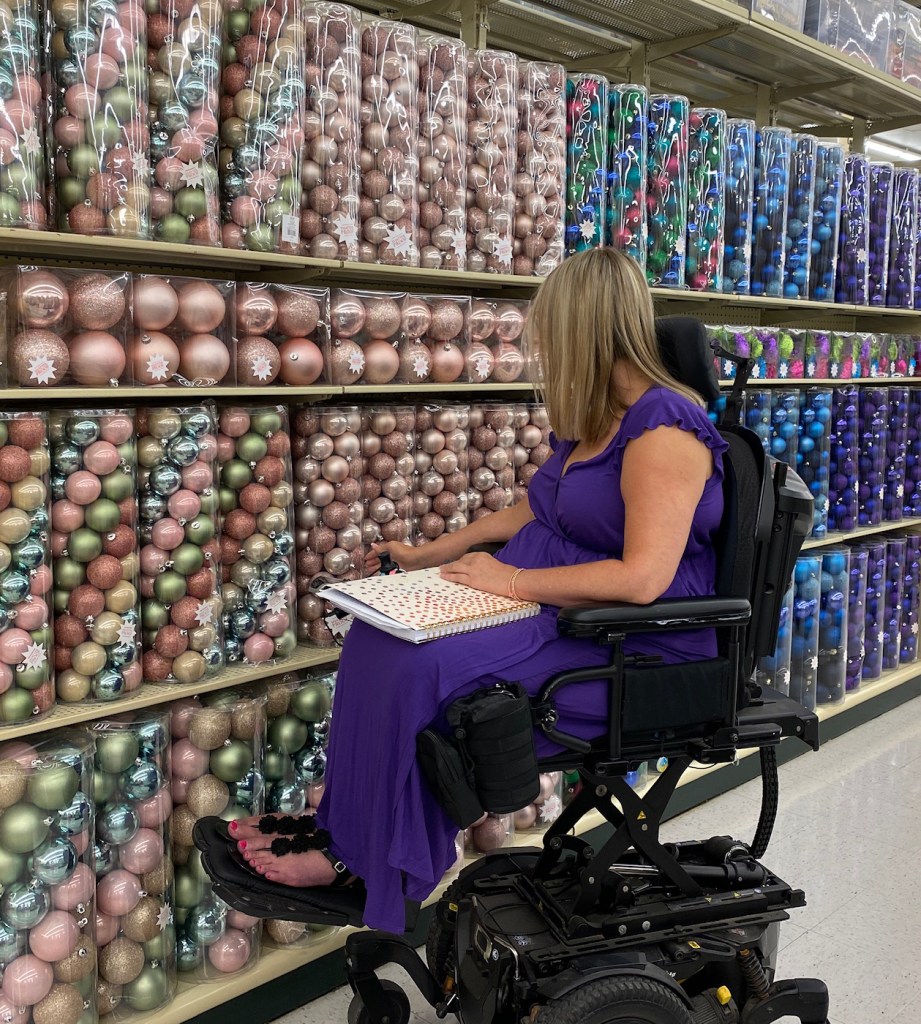
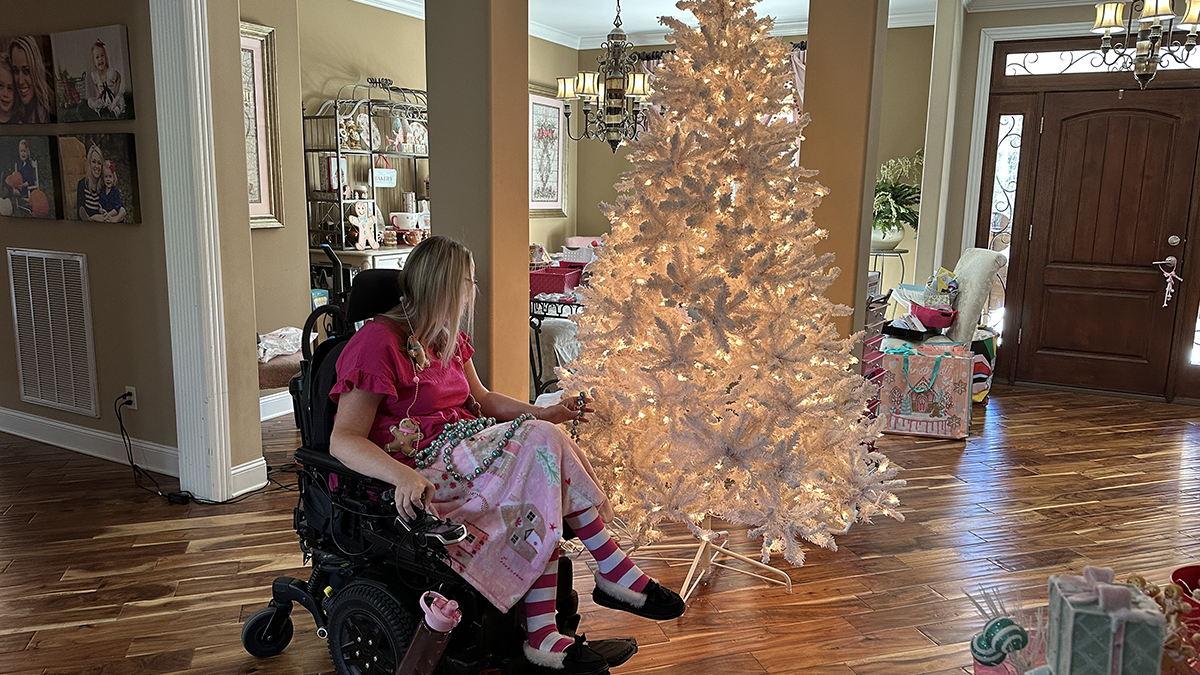
Bliss shops for holiday decor in her Quantum power wheelchair

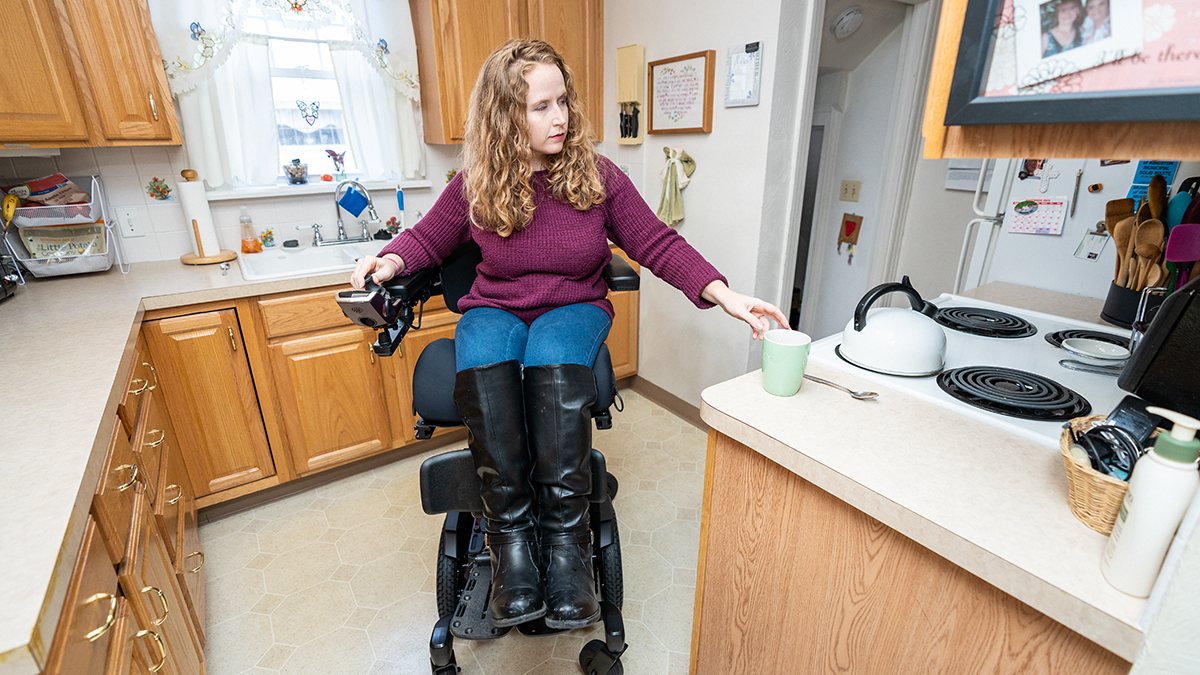
Each year, decking the halls at iLevel begins with a little shopping for any new pink or pastel gingerbread decorations. In case you were unaware, EVERYTHING is better in pink, even Christmas décor! “Pinkmas” and pastel gingie décor has become all the rage, making it one of the hottest holiday must haves. The 12 inches of lift that iLevel gives me while out shopping makes reaching those adorable, little gingerbread people on the top shelf a breeze. Thanks to iLevel, I have scored some of the most precious, pink gingie decorations that otherwise would have been out of my reach.

Decorating the House with iLevel Technology

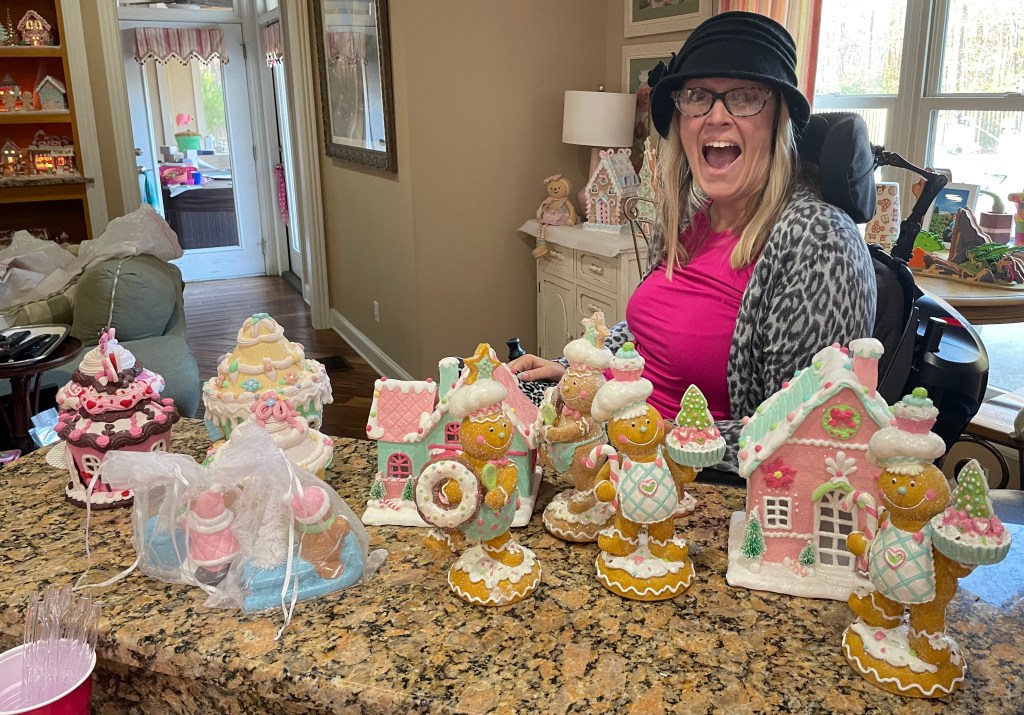
Bliss decorates her home easily with the help of iLevel on her Quantum power wheelchair

My Stretto power wheelchair has so many great features that allow me to deck the halls at my house. The front and rear LED fender lights are really handy when I’m retrieving all my must-have holiday items from my dark storage room. iLevel makes all the difference when trying to get the top of a Christmas tree decorated or the wreath hung on the front door. It’s easy to set up and display all the gingerbread villages around the house. Plus, hanging the stockings by the chimney with care is another task easily completed with iLevel.

I must confess, I have experienced an abundance of joy from decorating so early this year! There have been countless hours spent reclined and tilted back in my Stretto Power Chair just admiring the pretty pink Christmas décor. While basking in the twinkling glow of the “Pinkmas” gingerbread wonderland, it has occurred to me that I don’t have to pack all this cuteness up after Christmas! I’m thinking my house might just be merry and bright for 2023.

About Bliss Welch: Bliss is a Quantum® brand ambassador and Ms. Wheelchair Tennessee 2013. Bliss is actively involved in the disability community. She enjoys traveling and spending time with her daughter. Click here to learn more about Bliss.


For more great blogs from our brand ambassadors and Q Roll Models, visit lifeatilevel.com today!

Return to the Life At iLevel page

Return to Lifestyle
Amanda Brown is Loving Life in Her Quantum Power Wheelchair

When asked what her favorite thing is about her Quantum Power Wheelchair, Amanda Lynn Brown couldn’t pick just one.

“I love everything about it!” Amanda said.

Thanks to her Edge 3 Stretto® Power Chair, Amanda has discovered just how wonderful independence can be.

Staying Active and Independent in her Community

Amanda was born with spina bifida. She resides in Cullman County, Alabama, in the city of Hanceville, which is north of Birmingham. Amanda uses her power chair for mobility. With her Stretto, she stays active and independent, participating in activities in her community.

Amanda in her Quantum Power Wheelchair

Amanda helps with fundraisers for the developmentally disabled. She also enjoys playing adaptive baseball in her local Challenger Division.

Amanda loves to interact with people. Thanks to iLevel® power adjustable seat height on her Stretto, she can elevate and look people in the eye when making conversation. While elevated, Amanda can drive her power chair at walking speed, up to 3.5 mph. Thanks to independent SRS (Smooth Ride Suspension), she enjoys a much smoother and comfortable ride, which is great when driving over bumpy or rough terrain.

Enjoying Greater Access with Her Quantum Power Wheelchair

iLevel power adjustable seat height offers other benefits too, especially in the home. Her Stretto Power Chair features an ultra-narrow width. This gives her greater access, so she can maneuver around tight corners and fit in smaller spaces. Plus, before she had iLevel, Amanda could not reach the things she needed. Now, she is much more independent.

“I can reach the sink and the cabinet,” Amanda said. “I also use iLevel to transfer from my chair to the bed in hotel rooms.”

Whether she is relaxing at home or out and about in her community, Amanda knows


Are you interested in doing a testimonial? Tell us what you love about your Quantum Power Wheelchair. You could be featured on our website and social media. Please email marketing@pridemobility.com for more information.

Return to Testimonials

Learn more about the Stretto Power Chair

Should Kids Play with a Manual or Power Wheelchair?

As a psychologist who studies the way we learn and think about disability, I’m often pondering how we can better prepare kids to be inclusive and accepting. I’ve thought more about this in the last couple of weeks after reading accounts from one of my favorite Instagram accounts AbleismIsTrash. Her young daughter experienced a broken leg after a child snatched her walker from her while she played at a pumpkin patch. The obvious and unquestionable conclusion from this scenario is: Do not EVER touch someone’s wheelchair or mobility device without their consent. There’s no gray here. Don’t do it. If you can’t get someone’s verbal permission, can you get confirmation through eye contact and other nonverbal signs? Consider whether you would move a nondisabled person in that scenario. While most people don’t have joysticks to facilitate their movement, we’re easily able to agree that we shouldn’t move people or touch their power wheelchair or other assistive devices without permission.

When it’s Okay to Let a Child Play with a Wheelchair

Kara sits in her Stretto Power Wheelchair, elevated at iLevel

There is, however, some gray area in when, if at all, we allow kids to touch, play with, or try out mobility devices they don’t themselves need. Different from adult simulations where people “try out disability” (which research tells us aren’t as helpful as they seem), allowing kids to explore mobility equipment in a safe environment can be beneficial. For group purposes, it’s best that kids are trying out wheelchairs and equipment owned by individuals. The risk of accidental damage is just too great and the disabled child’s needs for the device should always be prioritized. Some adapted sports or recreation programs, however, have wheelchairs that are the property of the city or program rather than belonging to an individual. These are great opportunities to see how quickly a cambered basketball wheelchair can turn or what it feels like to push a ball down the court in a power soccer chair.

The Rules on Assistive Devices in My Family

We’re a bit of an unusual household in that we have a number of wheelchairs, both past and present, in our home and garage. It’s not uncommon for our kids, their friends, and family members to ask if they can take a spin. With the exception of my Quantum wheelchair, we’re usually ok with this under supervision. A few of our rules include: 1) Use and protect your brain! Don’t try to flip backwards on purpose. 2) If the disabled person needs their equipment, for any reason or no reason at all, they get it back immediately. 3) Watch out for your environment. Don’t bump into walls or furniture. 

Why My Kids Don’t Operate My Power Wheelchair

Currently, I don’t allow anyone to take my Quantum power wheelchair for a recreational spin. Because it’s heavier than our manual wheelchairs, it could cause more damage to the chair or our home. Our kids really haven’t questioned this. They know the central purpose of mobility equipment, like wheelchairs, is to help us move around. While ‘play’ isn’t a bad thing and can open doors for thinking and learning about disability, it has its place and time. I’d love to hear your answers to the question, “Should kids ever be allowed to play with wheelchairs and other mobility equipment?” Share your answers on Instagram or Twitter.

About Kara Ayers: Kara is a mother of three and lives in Ohio. She is an associate professor at Cincinnati Children’s Hospital and Medical Center. In 2021, Kara spoke to the Biden-Harris COVID-19 Equity Taskforce about the need for people with disabilities to access the COVID-19 vaccine. Click here to learn more about Kara.


For more great blogs from our brand ambassadors and Q Roll Models, visit lifeatilevel.com today!

Return to the Life At iLevel page

The Best Quantum Power Wheelchair for Outdoors

When choosing a power wheelchair, it’s important to incorporate technology that’s specifically suited to your lifestyle. While cozy mornings indoors are certainly blissful, the wonders of the great outdoors are always calling. If you’re looking for a Quantum power wheelchair with the durability, stability and comfort to navigate outdoor spaces, this is the guide for you. We’re highlighting three power chairs made for those seeking adventure outdoors. These power chairs are for people who never miss a family member’s soccer game, love meandering through park pathways and want to comfortably bridge the gap between their home and the outside world.  

Suspension Considerations for Power Wheelchairs

The most important element to consider when choosing an outdoor wheelchair is suspension. SRS (Smooth Ride Suspension) is an automotive-grade, dampened suspension that dramatically improves ride quality, making for a more comfortable, better performing power wheelchair. Here are some clinical benefits to SRS.

  • A smoother ride experience may reduce environmental triggers for users with spasticity
  • Individuals who use alternative drive control systems or modified joystick handles, the ability to maintain contact with the drive control is significantly improved
  • For those with pain, suspension may significantly reduce pain because in mid-wheel drive power chairs, the jolting forces are directly below the user
  • For individuals with balance challenges, it minimizes the displacement of the upper body, head and neck, providing a greater sense of stability and less of a reliance on postural components

3 Quantum Power Wheelchairs for Outdoor Exploration

Read on to discover the different kinds of SRS available on our Quantum Power Wheelchairs.

The 4Front® 2 Power Wheelchair

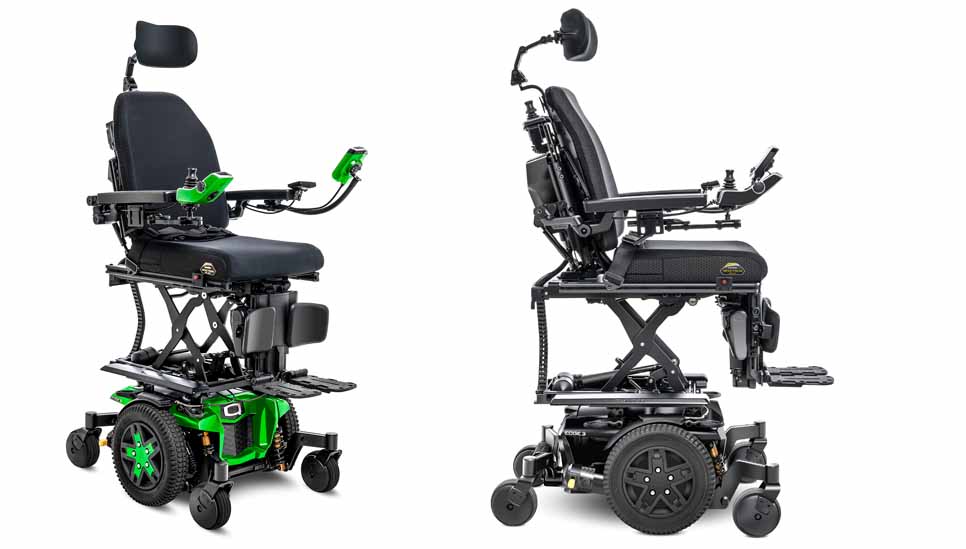
The 4Front® 2 is the next generation of the 4Front Power Chair. It offers features for users who want to take their chairs everywhere, including down the sidewalk, in the grass and over bricks. The 4Front 2 Power Wheelchair offers:

  • Smart Traction Control (STC)
  • 4-pole motors
  • Redesigned caster arms
  • Increased speeds up to 6.25 mph
  • Optional Quantum backup camera
        A Quantum power wheelchair with front wheel drive: the 4Front 2
        The 4Front 2 Power Chair

        Most importantly, this power wheelchair features SRS, (Smooth Ride Suspension). a superior automotive-grade power chair suspension. The 4Front 2 offers a quiet, smooth and stable ride. This outdoor wheelchair also features 10 inches of power adjustable safe seat elevation at speeds up to 3.5 mph, which allows you to easily travel alongside family and friends during afternoon outings to the neighborhood park and beyond.

        A Narrow Quantum Power Wheelchair

        If you’re looking for an outdoor power chair that can tackle the elements and navigate tight indoor spaces, the Edge 3 Stretto is the model for you. The Stretto is the narrowest, most maneuverable power base in America. Children, teenagers and adults alike will love the 20.47-inch overall width and 12.5-inch drive wheels. Consumers asked for a highly maneuverable motorized wheelchair with a narrow base and the Stretto delivered. Standard features include:

        • A USB charger
        • Front and rear fender lights
        • Independent SRS
        • Optional iLevel power seat elevation, up to 12 inches at speeds up to 3.5 mph

        This 2021 Mobility Product Award winner is the perfect outdoor wheelchair for users who want the best, most compact chair available that maneuvers effortlessly.

        Stretto Power Wheelchair
        Edge 3 Stretto

        Edge 3 Motorized Wheelchair

        The Edge 3 motorized wheelchair is the perfect chair for users who need to navigate indoor and outdoor spaces: Wander out to the yard to sunbathe under the trees and cruise across uneven sidewalks with ease.

        The Edge 3 is a Quantum power wheelchair
        The Edge 3 Power Chair

        Standard features of this model include:

        • Upgraded SRS (Smooth Ride Suspension)
        • A USB charger
        • Front and rear LED fender lights
        • Drive wheel color accents
        • Optional iLevel technology, 12 inches of lift, up to 4.5 mph

        iLevel features Extra Stability Technology, which enhances safety while users complete tasks such as cooking, reaching, transferring and more. Plus, this outdoor wheelchair is available in many color options, including bold colors, such as Green Machine and Lemon Crush.

        Why Choose an Outdoor Quantum Power Wheelchair

        Choosing a power chair is all about finding the product that meets your medical and quality-of-life needs. A Quantum power wheelchair that is custom built to meet your needs in the real world. That’s why we developed SRS. A power chair should be able to smoothly navigate both indoors and outdoors!


        Do you have questions about our power wheelchairs? Call 833-745-3835 to speak to a Quantum Rehab associate. Or click here to find a dealer near you.

        Return to Power Chairs

        Return to Lifestyle

        My Quantum Power Wheelchair and Caring for My Pets

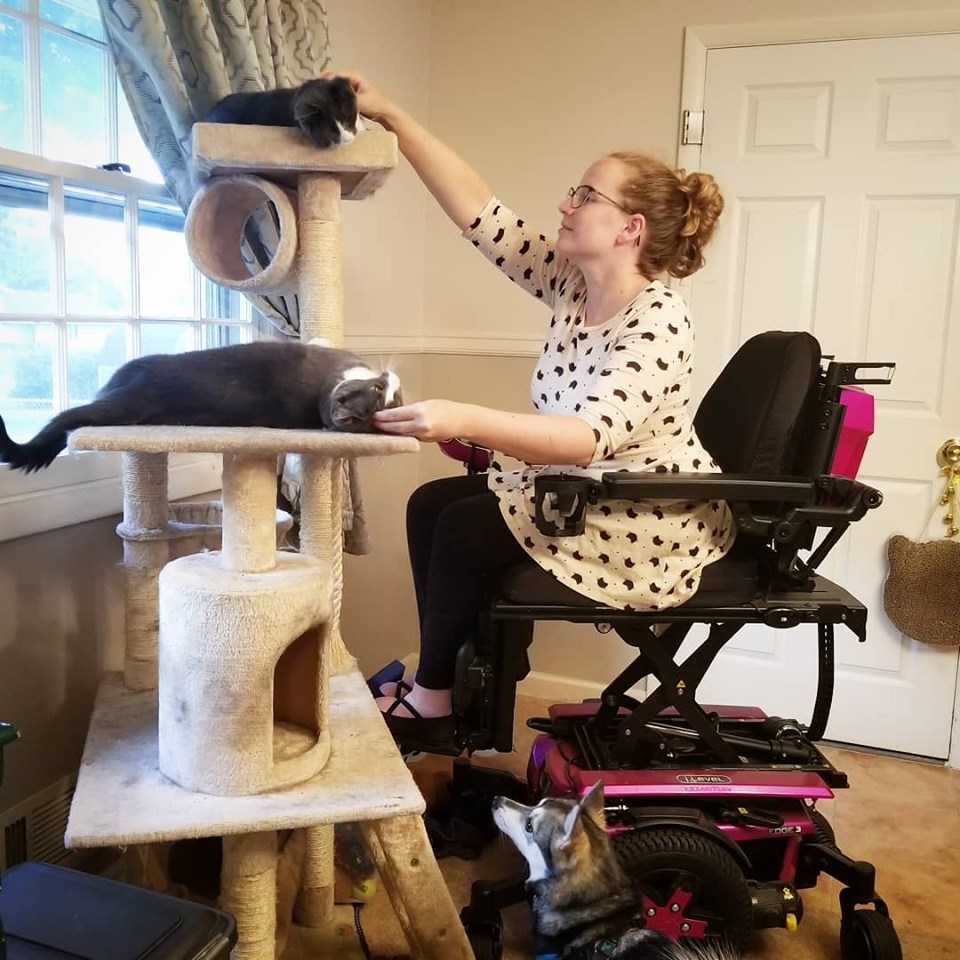
        Stephanie, elevated at iLevel, ibn her Quantum Power Wheelchair

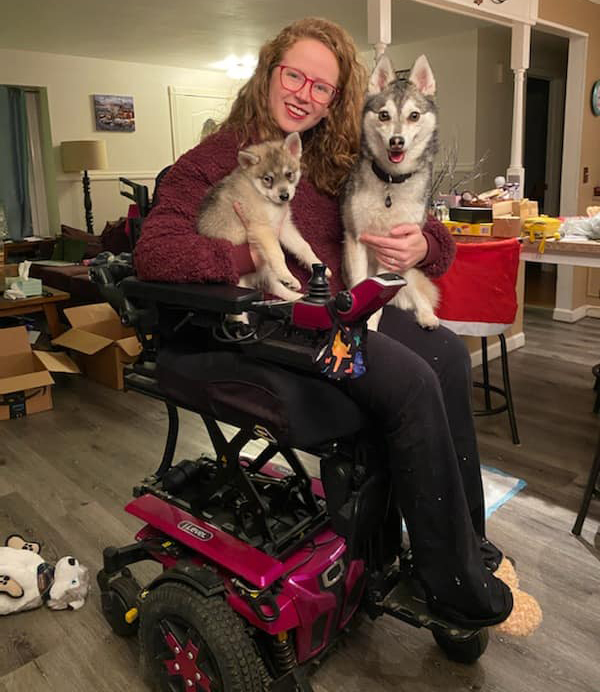
        I use iLevel seat elevation on my Quantum Power Wheelchair for so many activities in my everyday life: cooking, personal care, household tasks, shopping and more. It’s easy for me to lose track of all the different things I do at iLevel because I use it for so many things! One category of tasks that iLevel helps me with is pet care. I have five beautiful pets (I used to have six, but we recently lost one of our elderly cats) and I use iLevel to help take care of them all. Here are just a few ways that iLevel helps me with my animals:

        Feeding the Cats

        We have three cats and two dogs. Though we feed all of them, the dogs are still eager to get to the cat food anytime they can. Because of this, we feed our cats on elevated surfaces so that their food is safe from the dogs. Being able to raise my power wheelchair allows me to reach the higher shelves where we feed our cats. 

        Using My Quantum Power Wheelchair to Walk the Dogs

        Our dogs are Alaskan Klee Kais, which means they’re basically miniature huskies. They have tons of energy and need to go for walks a few times a day. When it’s bright out, I will keep my power wheelchair in the lowered position, which allows me to go a max speed of a little over 6 mph. This gets the dogs running at a steady pace that they love. However, when it’s darker out, I raise my chair to iLevel and turn my fender lights on. This ensures that I can see any cars that might be coming near us when we cross the street and the cars can see us as well! 

        Taking Out the Litter with iLevel

        Stephanie pets her cats with iLevel on her Quantum Power Wheelchair

        Changing kitty litter is never fun, but with iLevel it is a bit easier. With so many cats in the house, we like to do regular full litter dumps, which means emptying out all the litter in the boxes and refilling with fresh litter. Old, dirty litter is not only unpleasant, it’s heavy! I used to really struggle to lift the garbage bags full of dirty litter into my tall garbage tote. Thanks to iLevel on my power wheelchair, I can elevate so that I can easily toss the litter. 

        About Stephanie Woodward: Stephanie is a brand ambassador advisor for Quantum Rehab® and works as a disability rights activist. She has received many awards for helping communities become more accessible, as well as for her actions in fighting for the rights of disabled individuals as it relates to Medicaid and other support services. Click here to learn more about Stephanie.

        For more great blogs from our brand ambassadors and Q Roll Models, visit lifeatilevel.com today!

        Return to the Life At iLevel page

        Return to Wheel Talk

        Great Wheelchair Accessible Shopping Tips

        ‘Tis the season for shopping and deals! Black Friday is the day after Thanksgiving that is filled with sales and traditionally represents the start of the holiday shopping season. Cyber Monday is the Monday after Thanksgiving and is known for online shopping sales. Both days are heavily marketed and something many people look forward to, but which is the most accessible to people disabilities? Here are some ways to complete your wheelchair accessible shopping and tips for navigating the sale days.

        Tips for Navigating Black Friday Shopping

        Izzie completes some wheelchair accessible shopping with the help of iLevel technology

        Black Friday often starts Thanksgiving night or the early morning hours of Black Friday. So, it’s often dark outside when people are shopping.  When navigating the dark and crowded parking lots, it can be helpful to use your power seat elevation, such as iLevel® technology, and LED fender lights. This ensures passing cars see you traveling in the parking lot.

        Black Friday is known for its long lines, crowds and limited quantities of in-demand products. The combination of these three things tend to create chaos. There is never a guarantee that there will be enough items to accommodate the sheer number of people shopping. To help navigate the chaos, iLevel on your power wheelchair can make it easier to move through the crowded stores. iLevel also helps you to reach for the items you are shopping for.

        Wheelchair Accessible Shopping with Cyber Monday

        macbook pro
        Photo by Pixabay on Pexels.com

        One of the major perks of Cyber Monday is you never have to leave your cozy house. Another perk? You don’t have to wait in long lines. When navigating Cyber Monday sales, it can be helpful to make a list of the items you need and the stores that interest you. I also like to compare the prices of products from various websites. Given that online stores have access to whole warehouses of products, shoppers are more likely to find for what they are looking for.

        I say Cyber Monday wins for accessibility and comfort over Black Friday. You can shop in your own home, stay warm, not get trampled by crowds, and not fight for limited quantities of products. Which do you prefer: Black Friday or Cyber Monday?

        About Isabella Bullock: Isabella, or Izzie for short, is an employment specialist for the Center of Independent Living. She is an iced coffee enthusiast who enjoys getting lost in a good book. Click here to learn more about Isabella.


        For more great blogs from our brand ambassadors and Q Roll Models, visit lifeatilevel.com today!

        Return to the Life At iLevel page

        Return to Lifestyle
        Driving with a Disability: What You Should Know

        This summer, I received my driving permit. The next step was for me to learn how to drive so I take a driving test and get my license. This is not as easy as it sounds. My learning to drive involves expenses that non-disabled 16-year-olds don’t have to think about. Here’s what I’ve learned about driving with a disability.

        Adaptive Vehicles or Modified Equipment

        The first issue was figuring out whether I needed an adaptive vehicle to meet my needs. While I can move, walk, and even jump (somewhat), this doesn’t mean that it’s going to be easy or safe for me to drive a standard car. I have weakness in various muscle groups throughout my body, so I may need to drive a vehicle that’s customized for me.

        Adaptive Driving School and Driving with a Disability

        close up of car steering wheel
        Photo by Abdulvahap Demir on Pexels.com

        To figure out what I might need, my mom set up an evaluation for me at an adaptive driving school. I learned a lot! For example, I learned that this is a big deal. I thought that I’d be in and out of the building in a few minutes. I ended up being there for hours!

        Before doing any testing, we talked to my evaluator about my medical history and what I am physically able to do. Afterward, I took multiple tests. The first one reminded me of the test you do to get your permit, where you’re asked multiple questions about the rules and regulations, but it was on a simpler level.

        Taking Many Tests and Adaptive Equipment

        I passed all the tests, and finally, it was time to test drive with the hand controls my evaluator recommended. We went to a large and empty parking lot where I tested out multiple types of hand controls in different positions. After an hour of testing out all the options, I found that the knob attached to the bottom of the steering wheel worked the best for me, while the back-and-forth system was the easiest and most comfortable way for me to brake and accelerate.

        Maddie discovers there is much to learn when driving with a disability

        Then, my evaluator showed me what controls she recommended we’d try based on our previous discussion of my medical history. She also tested my peripheral vision. This was hard because she told me to tell her when I could no longer see the pen while not looking at the pen. The second set of tests were all on a computer which looked really old. I had to look at the shape of signs and figure out what they meant based on their shape. Then I sat in front of another computer that flashed a car or truck in a position, and I had to remember which direction and type of vehicle it flashed.

        The Rules When Driving with a Disability

        To take my driving test, I need at least 40 hours of practice driving an adapted vehicle. I am going to start by taking 15 hours of driving lessons from the adaptive driving school and do the rest with my parents. Some people need all 40 hours to be with the driving school. It depends on the person’s disability and what they need to learn. I was relieved that I only needed 15 hours, because the lessons are expensive.

        Unfortunately, health insurance does not cover them since they don’t see them as “medically necessary.” Apparently, some states pay for this, but it’s almost impossible to get state money where I live. The cost of the adaptive driving lessons is nothing compared to the cost of getting a vehicle that I can drive.

        We now need to figure out whether to modify the car my family already owns or buy a whole new car to fit my needs. It’s a big decision, so I have decided to take some time to think about the options. Honestly, having to go through all these extra steps and pay all this extra money just because I want to be independent…it’s kind of tiring. But I try not to focus on that and instead just focus on my excitement about being able to drive by myself someday soon, but for now, I’ll just help my parents avoid crashing into the wall.

        About Maddie Kasten: Maddie is a Q Roll Model for Quantum Rehab. She lives in Phoenix, Arizona, and enjoys participating in adaptive sports, playing video games and watching anime. Click here to learn more about Maddie.

        Great Winter Weather Tips for Power Chair Users

        For many of us, the winter season is quickly approaching, which means colder temperatures, ice, and snow. While snow is pretty to look at, snow and other elements of winter can add more barriers to the daily life for manual wheelchair and power chair users. Below are several tips for wheelchair users to help them navigate the winter weather.

        Take the Busiest Route in Your Power Chair

        Izzie in her Quantum Rehab power chair

        When out in the community after a snowfall, take the busiest route, even if it’s the longest. It can seem appealing to want to take the shortcut to get out of the cold faster. The pathways that see the most traffic, however, are the ones to receive priority snow removal to prevent injuries. I know it can be frustrating to navigate around crowds of people, but these areas are going to have less snow and get the most salt. And, if you do get stuck, there are likely people around to help you.

        In case you do get stuck in the snow, enable hands-free voice control on your cell phone. This allows you to call for help or contact emergency services with your voice, which can helpful if you drop your phone and/or are in freezing temperatures.

        Use Hand Warmers

        bicycle on snow covered street
        Photo by Dave Haas on Pexels.com

        Whether you are someone who uses a manual wheelchair or power wheelchair, often you are required to use your hands to mobilize your wheelchair. This means your hands are exposed to cold temperatures for long periods of time. Putting hand warmers in your gloves or hands during a long stroll can keep your hands warm.

        Keep Your Power Chair Clean

        If you commutes outside a lot for school or work in snowy conditions, it‘s helpful to clean your power wheelchair on a regular basis. If is consistently and excessively remains on the caster wheels, it can wear them down faster. Cleaning the chair more often can prevent wear and tear.

        Getting Warm Once You Are Indoors

        It is not uncommon for the colder weather to cause many wheelchair users pain and discomfort. Having a heated blanket available when you come in from the cold can help with the discomfort and warm you up faster. Of course, a cup of hot chocolate does not hurt either.

        About Isabella Bullock: Isabella, or Izzie for short, is an employment specialist for the Center of Independent Living. She is an iced coffee enthusiast who enjoys getting lost in a good book. Click here to learn more about Isabella.


        For more great blogs from our brand ambassadors and Q Roll Models, visit lifeatilevel.com today!

        Return to the Life At iLevel page

        Return to Lifestyle