Dating Tips Written by Wheelchair Users

Arguably, life has gotten easier with technology. However, it doesn’t make every aspect of life easier. Although meeting someone online is as simple as signing up for an app or website, it takes more than creating an account to make a genuine connection. Dating still requires you to put yourself out there and get to know someone. What happens after you send or receive the first message? Our Q Roll Models and brand ambassadors spill on their experiences and give their best dating tips for wheelchair users.

Traditional Dating Tips for Wheelchair Users

Bryan Anderson acknowledges the challenges of dating, but says that if you have the right mindset, you’ll have a better chance of meeting someone great. For him, it means not focusing on his disability, yet being as open as possible when someone he’s interested in asks about it. He stresses the importance of balance between being yourself and not letting your disability overshadow any progress within the relationship.

When it comes to meeting people, you can meet them anywhere! Bryan has met dates at restaurants, bars, the library, museums and more. Remember that when it comes to planning a date, the place you or your date picks needs to be accessible so you can both focus on getting to know each other and having a good time.

Online Dating Tips for Wheelchair Users

Online dating is a little bit different than dating in person. When it comes to meeting people, there are hundreds of dating apps that you can choose. Tim Shin says it’s about choosing the right app for you. Unless you have a specific interest in mind, Tim recommends starting with the most popular app and go from there. Keep in mind that websites and apps need money to continue operating.
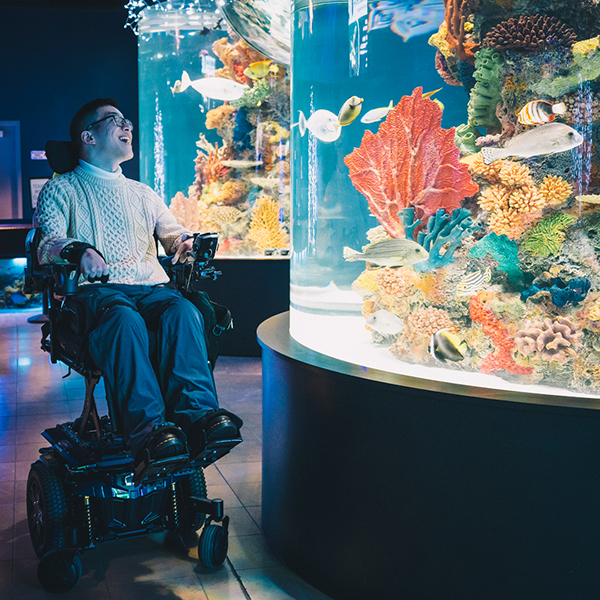
Unlike traditional dating where someone will see your wheelchair when they see you, you can curate your profile to not show your wheelchair. While some wheelchair users prefer to do this and disclose their disability later, Tim suggests being honest and up front with potential matches. They may ask some uncomfortable questions, just like in traditional dating, but not being honest about your disability could hurt your potential relationship in the long run.

What Comes Next?
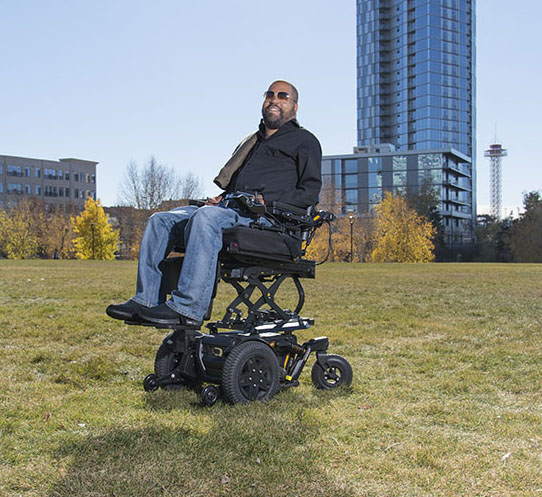
All of the potential challenges that come with dating are one thing, but what does it mean in marriage? If you want to get married one day, Merlisha has some advice based on her experience as a wheelchair user. Merlisha discusses enormous pressures of life testing the strength of relationships, especially the part of marriage vows where the couple promises that they’ll stay together in sickness and in health. She talks about the struggles of asking for help and leaning on someone else, but how it’s much easier with love. She states that true love is almost never 50/50 and that sometimes you give some and sometimes you take more. Her most important nugget of information is that when it comes to love that lasts, it’s important to remember that you and your partner are both equal and worthy of each other’s love and effort.
Resources for Working with a Disability

Searching for a job can be hard, but it can be even more difficult for individuals with disabilities. We’ve compiled a list of resources for people with disabilities who are looking for employment opportunities. These resources were written by other wheelchair users who have successfully found employment.

Benefits of Hiring People with Disabilities

When it comes to looking for a job, it’s important to know what you have to offer. Knowing what you can bring to the table as a hardworking and dedicated individual is key in making yourself attractive as a potential employee in interviews. Not everyone knows the benefits of hiring people with disabilities, but you can help spread the knowledge. Zoe Hernandez shares statistics about people with disabilities in the workforce and how hiring employees with disabilities positively contributes to the company’s workplace.

Job Searching with a Disability

Isabella Bullock is an expert when it comes to job searching. As an employment specialist for the Center of Independent Living, she helps people with disabilities succeed and break down stereotypes by teaching them the skills they need for their careers. In her article, Disabilities & Job Searching, she poses four questions to ask yourself when considering if and when to disclose your disability to your employer or a prospective employer. While the information is not meant to be utilized as legal advice, it does come from personal and professional experience and can be utilized as a valuable resource.

Disability Mentoring Day

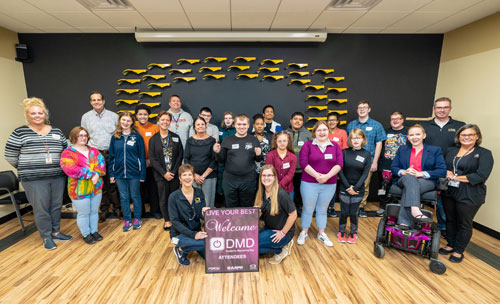
If you aren’t sure what you’d like to do yet, but would like to see what careers are available, you may want to check out Disability Mentoring Day (DMD). DMD is a national mentoring program designed to increase awareness of National Disability Employment Awareness Month (NDEAM). The goal of this program is to promote career development for students and job seekers with disabilities. It’s a hands-on opportunity where individuals get to experience different types of jobs within the workplace and talk to employees who have developed successful careers. It’s a wonderful opportunity for young individuals to gain knowledge about the workplace so that they can make informed career decisions in the future.

More Reading about Employment for People with Disabilities

For further reading and resources for people with disabilities, check out the Lifestyle Articles and Helpful Links for Power Chair Users page on our main website. We have articles about employment, power chair usage, care and maintenance, health and wellness and more!

Matt Olson: Regaining His Edge

As an athlete, Matt Olson knows the everyday challenges that players and sports teams face on and off the field. Seeing this drive and determination gives Matt the resolve to overcome adversity in his own life.

At just 20 years old, Matt sustained a spinal cord injury while playing ice hockey.

“I lost my edge and fell headfirst into the boards,” Matt said.

Matt didn’t know anything about complex rehab technology before his injury. His physical therapist recommended Quantum®. Now using a power wheelchair for mobility, Matt has regained his edge. An Edge® 3 with iLevel®, that is!

With 12 inches of elevation, Matt has greater access to the world around him. He can raise his chair to be at eye level with others.

“When I’m talking to people, it gives me confidence that I can make direct eye contact with them,” Matt said. “It makes it easier to engage in the conversations and hear the other person.”

The SRS (Smooth Ride Suspension) is another great feature that Matt loves.

“When I go over doorway thresholds, it is much smoother. I’m also able to navigate over rougher terrain with less bouncing,” Matt said.

With his Edge 3, Matt has all the independence he needs to live his life. He still loves hockey and other sports. Nothing is better than being outdoors. Currently, Matt is pursuing a degree in Environmental Science at Anoka Ramsey Community College.

As a college student, having Bluetooth® technology on his Edge 3 is extremely beneficial for Matt. It allows him to connect to multiple devices at the same time while doing his schoolwork. Bluetooth also helps him keep in touch with his loved ones. He can access his phone to stay connected with friends and family and use social media apps.

Matt’s experiences have opened his eyes to the importance of raising awareness about the challenges that spinal cord injury patients face, as well as the need for complex rehab technology.

“I get compliments on my power chair. People are impressed with the technology and how durable it is. Plus, I get asked all the time to demonstrate the iLevel feature,” Matt said.

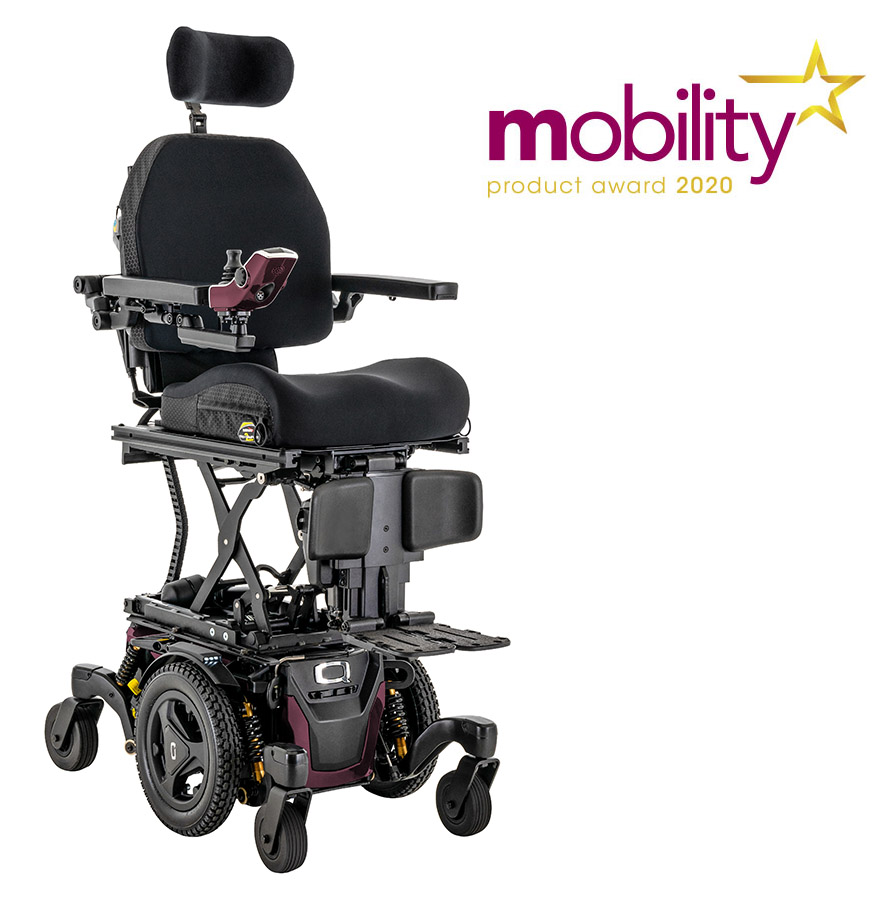
Edge 3 Stretto® Named Mobility Product Award 2020 Winner

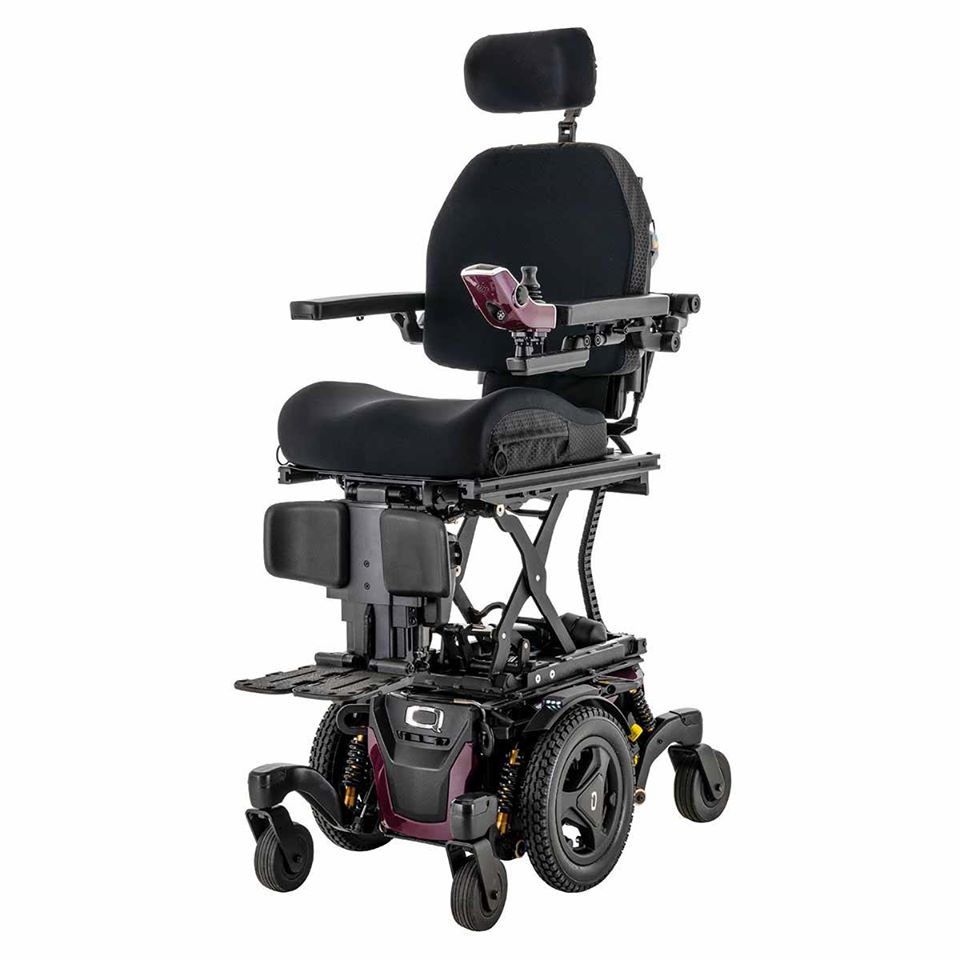
Mobility Management magazine has named the Edge 3 Stretto® Power Chair one of the winners of its Mobility Product Award 2020 contest. The Edge 3 Stretto won in the “Wheelchairs, Power: Group 3, Multiple Power” category.

The Mobility Product Award program was launched in 2019 to honor outstanding product and technology development by complex rehab and mobility manufacturers and service providers.

“Complex rehab technology and mobility industry manufacturers continue to innovate, design and bring impressive new products to market despite a number of challenges,” Mobility Management Executive Editor Laurie Watanabe said. “We’re honored to congratulate this 2020 class of Mobility Product Award winners that will surely facilitate mobility, function and independence for many people with disabilities.”

Winners will be recognized and receive their awards at the 2021 International Seating Symposium (ISS).

Resources and Support for Veterans

Quantum Rehab is proud to support those who have risked their lives for our country’s freedom. Whether you’re in need of a power mobility device or resources for veterans, we’ve got you covered!

Quantum Veterans Base

The Quantum Veterans Base, offers resources for finding complex power rehab products, such as motorized wheelchairs and hydrographic shrouds for motorized wheelchairs. We also have a list of resources that link to different websites for veterans, such as the U.S. Department of Veteran Affairs, Paralyzed Veterans of America, USA Cares and more.

If you have been diagnosed with a medical condition that affects your mobility, Quantum offers various mobility options, including the Edge 3 Stretto® with iLevel, the Edge® 3 with iLevel® and the 4Front®. Head over to our Quantum Veterans Base for more information.

The Department of Veterans Affairs

If you are a disabled veteran, the Department of Veterans Affairs offers services that give greater independence in daily living. If you are eligible, this may mean receiving a power mobility device, such as an electric wheelchair.

You can visit the federal VA website for information on veteran’s benefits, VA facilities worldwide and VA programs. If you are interested in seeing if you are eligible for a power mobility device, contact your local VA benefits counselor to determine the veterans benefits you are eligible for.

How to Help and Support Veterans

Quantum brand ambassador, Sergeant Bryan Anderson, blogs about ways you can help and support the veterans in your life. One way to help is by giving money to an organization. He shares some of his favorite organizations that support soldiers and veterans. If you can’t donate money, you can give your time by volunteering in a VA hospital or helping set up an event for a veteran organization. Another way you can make an impact is simply by showing up. If you know someone who is hurt, in the hospital or could use some company, just being with them can go a long way.

Bryan also talks about ways that you can help veterans during the pandemic, whether personally or through an organization. Some ways include registering for the “Keep Your Distance” 5K Run/Walk, reaching out to the vets in your life or even surprising them with a meal or groceries. There’s a way for everyone to give back to our country’s veterans. Pick your favorite and get out there!

Planning an Accessible Summer Vacation

Going on a trip requires a lot of planning, especially when looking for accessible destinations and activities. Although planning can be difficult and overwhelming at times, our Q Roll Models and brand ambassadors have written some helpful resources for other wheelchair users who want to travel.

Accessible Beach Vacation

Sakina Shamsi may be young but she’s no rookie, having visited countries like England, Mexico, Tanzania and India. When it comes to accessible travel, she has experience. Most recently, she traveled to Punta Cana in the Dominican Republic. She explores accessibility from the plane to transportation in the Dominican Republic to the hotel itself.

Spoiler alert: This ended up being her favorite trip yet!

If you want to go on an accessible trip to the beach, look no further than Sakina’s article Wheelchair-Friendly Beach Vacation.

Disability Summer Camps

Zoe Hernandez shares about summer camps for kids and adults with disabilities. Zoe has found that there are summer camps that offer specialized medical care for each disability, one-on-one buddies and outdoor activities. There are least 25 summer camps for kids with disabilities across the country and discusses three that you can consider: The Paddy Rossbach Youth Camp, Camp Greentop and the Children’s Association for Maximum Potential.

Zoe talks in-depth about the three disability summer camps, their history and what they offer. If joining a disability summer camp is something you would like to do, check out Zoe’s article on disability summer camps.

Accessible Outdoor Trips

If you’re not much of a beach person, there are other ways you can enjoy a vacation outdoors this summer. We’ve written a guide to wheelchair-accessible outdoors trips. In the guide, outdoor enthusiasts can find four different options for accessible outdoor vacations and steps you can take in planning your next trip. Whether it’s relaxing in nature or hiking, there’s something for everyone.

Tips for Planning an Accessible Vacation

Josh McDermott imparts on readers his accessible travel wisdom learned from past experiences with his article, Accessible Vacations. He says that the challenge isn’t in the destination itself, but rather whether the activities you want to do are ADA accessible. He discusses how Las Vegas is the most accessible location he’s been to and why he loves traveling there.

His biggest tip for travel enthusiasts in wheelchairs is to do your research before traveling, whether in or out of the country. He recommends going on the internet, calling places and asking friends and family if they have ever traveled to where you are planning to go.

Hobbies for Motorized Wheelchair Users

Do you know how to have fun? Whether you’re in quarantine or looking for a new hobby, there are plenty of options. Our brand ambassadors and Q Roll Models share some of their favorite hobbies and how you can start a new one!

Cooking as a Wheelchair User

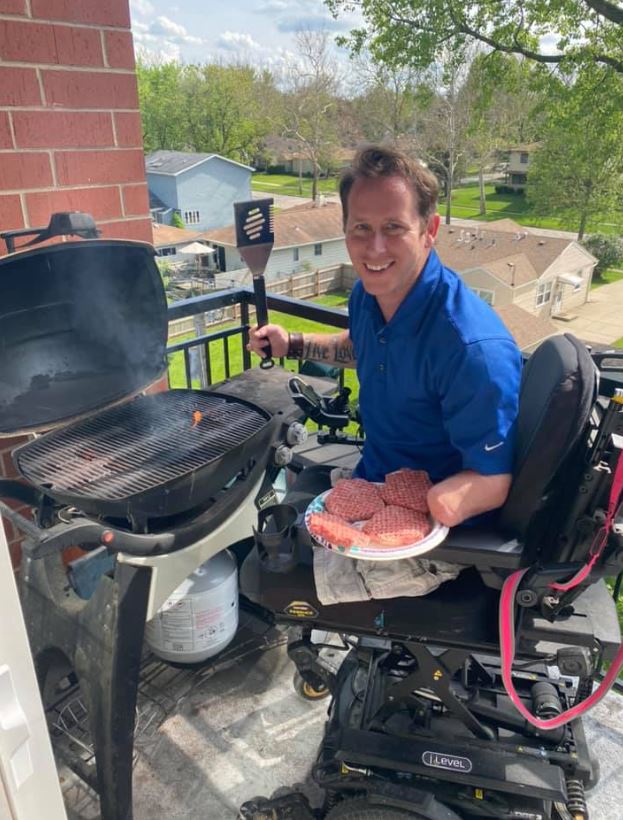
Cooking and baking are popular pastimes of our brand ambassadors, Q Roll Models and friends of Quantum. Bryan Anderson blogs about how iLevel® technology helps make cooking more accessible and safer for wheelchair users. Before being able to elevate himself at iLevel, reaching countertops and cupboards were a struggle. In addition to that, there were some safety risks, such as accidentally splashing grease on his face and burning himself. With the added height, he says he can cook confidently and safely. He also blogs about the struggles of cooking for one.

Accessible Gardening

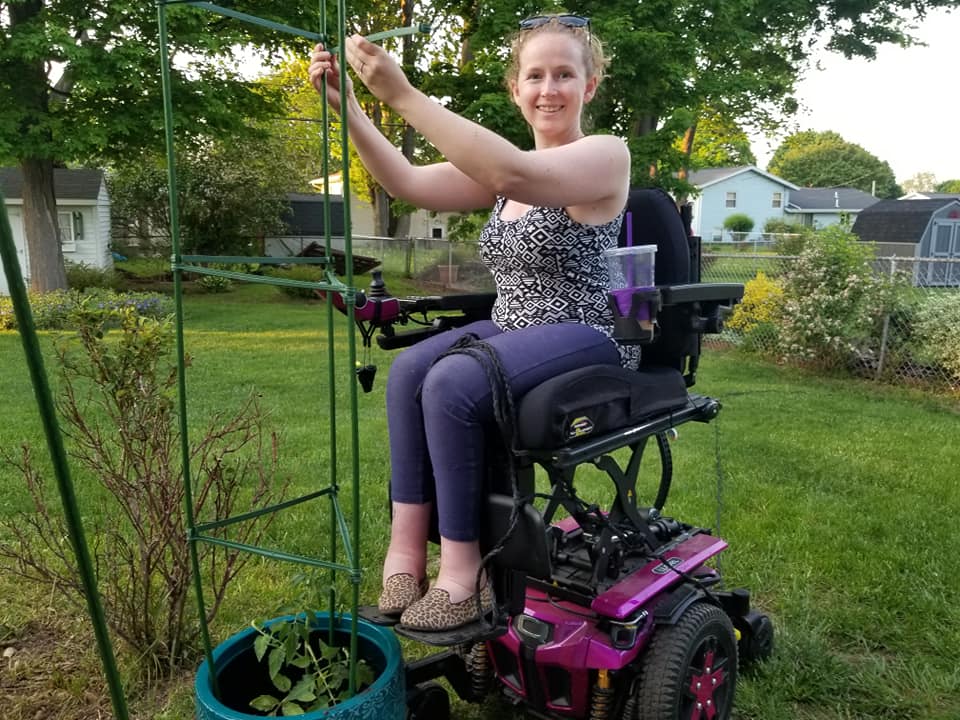
Do you have a green thumb? Health experts say that incorporating some green into your life can benefit your mental and physical health. Whether you spend most of your time indoors or out, you can learn the art of accessible gardening. Stephanie Woodward blogs about her experience tending to her own garden and what she’s learned throughout the process. This is a great activity for those who want to practice self-discipline, as gardens need maintenance. Unlike a sport, you can’t just garden whenever you want. Once you make the decision to care for plants, it’s an ongoing task.

Family Hobbies as a Wheelchair User

Q Roll Model Merlisha Henderson shares some of her favorite activities to do with her family. Different families have different goals. For some, it may mean remodeling the house together. For others, it may mean watching a movie or reading books as a family. For Merlisha and her family, their focus is getting and staying active. Learn more about Merlisha’s family hobbies at iLevel and how you can incorporate them into your family life.

Adaptive Sports

Do you love sports or want to learn more about them? Whether you consider yourself an athlete or not, we have resources for you. We have over twenty articles written on this blog and our main site. Each article gives an overview of a specific sport, as well as how you can get started if you’re interested in learning more. Some examples are power hockey, wheelchair fencing, adaptive snowboarding and adaptive archery. Fast-paced or less intensive, there’s a sport for every wheelchair user. Check out our articles on adaptive sports and start reading!

Accessible America as Told by Wheelchair Users

Have you been bitten by the travel bug? If you’re a wheelchair user and travel enthusiast but don’t know what cities or towns are accessible, you’re in the right place. Our Quantum brand ambassadors discuss accessibility in different parts of the United States, including in America’s big cities. They give recommendations about what to see, what to do and what to eat. Consider this part two of our series on accessibility, where they discuss more places you can add to your travel bucket list.

Accessible St. Louis

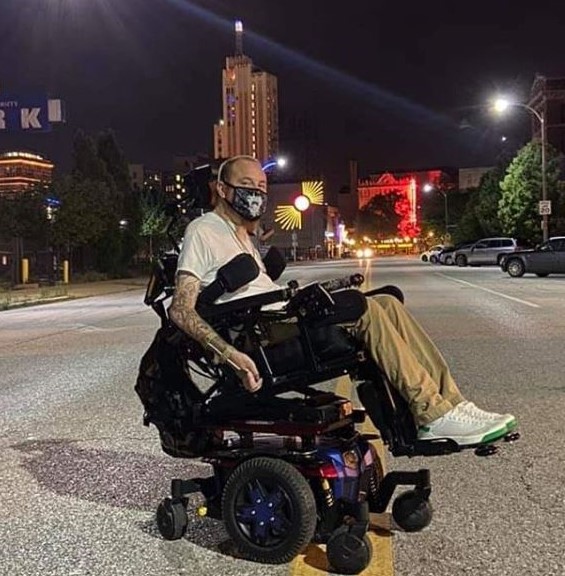
A great way to get to know a place and its accessibility is by living there. Jesse Cuellar lives in St. Louis, Missouri, and tells about his life in St. Louis as a wheelchair user. The city features public-funded open areas and outside activities that are wheelchair-friendly. Some examples he gives are the art museum, Delmar Loop and the St. Louis Zoo. He talks about some of his favorite events that are held in Forest Park every year.

Because of the pandemic, attractions aren’t open or running on their regular schedule. For that reason, we recommend calling ahead and making a reservation if you want to see something in the St. Louis area.

Accessible State Parks in New York

Zoe Hernandez talks about her experiences visiting two state parks in New York shortly after she graduated from high school. She visited Niagara Falls and the Statue of Liberty with her family. Zoe says that all state parks in New York are committed to be accessible for all types of visitors.

Some of the accessible attractions at Niagara Falls include the Maid of the Mist, the Observation Tower, Niagara Adventure Theater, Niagara Scenic Trolley and more! To get to the Statue of Liberty Monument, you must take a ferry. Zoe explains two types of tickets: the standard reserve ticket and the pedestal reserve ticket. Both provide great offers for wheelchair users, including a round-trip ferry ride. Check out her article to learn more about what you can see at these two state parks!

Accessible Historic Sights

Madonna Long blogs about her experience touring Fallingwater in Pennsylvania, as she helps the organization address accessibility solutions. Fallingwater was built in 1935 and designed by famous architect Frank Lloyd Wright. It originally served as a weekend home for Edgar J. Kaufmann, his wife Liliane, and their son, Edgar Kaufmann Jr., owners of Kaufmann’s department store in Pittsburgh. Many famous people have stayed there. In 1963, the Western Pennsylvania Conservancy took ownership and preserved Fallingwater properties.

Madonna talks about the accessibility of her accommodations, the conservatory and restrooms. She also gives recommendations for activities that she did when she toured the properties. Most of all, she was thrilled to tour the properties and provide suggestions for accessibility, so that people of all abilities can experience the house and the other facilities on the properties.

Interactive Assist and Pediatric Wheelchairs

Have you heard about the latest updates to Interactive Assist? It’s easier than ever to have your son or daughter’s child wheelchair serviced by an authorized Quantum® provider. Read on to discover the newest features available from Quantum’s remote service application!

What is Interactive Assist?

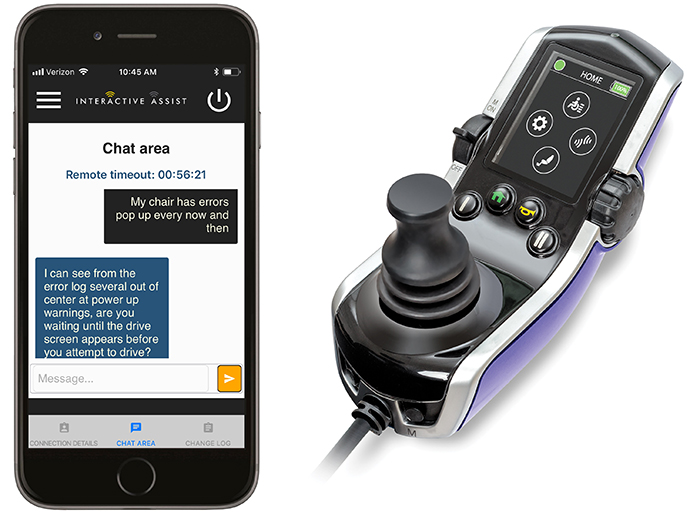
Interactive Assist is a diagnostic application from Quantum Rehab® is the must-have app for remote service. The application provides a direct, real-time connection from a child wheelchair’s electronics to the programming station of your authorized Quantum provider. This connection provides a technician with full diagnostic and system data.

Through Interactive Assist, a technician can view a real-time, mirror image of the pediatric wheelchair’s electronics display. Furthermore, your provider can communicate with you using the chat feature and share helpful information and tips so you can understand your child’s pediatric wheelchair. This aids maintaining social distancing and eliminating wasteful trips to your home. Using Interactive Assist, your provider may be able to quickly resolve:

  • Battery management issues
  • Charging problems
  • Motor problems
  • Complete basic programming

New Features on Interactive Assist

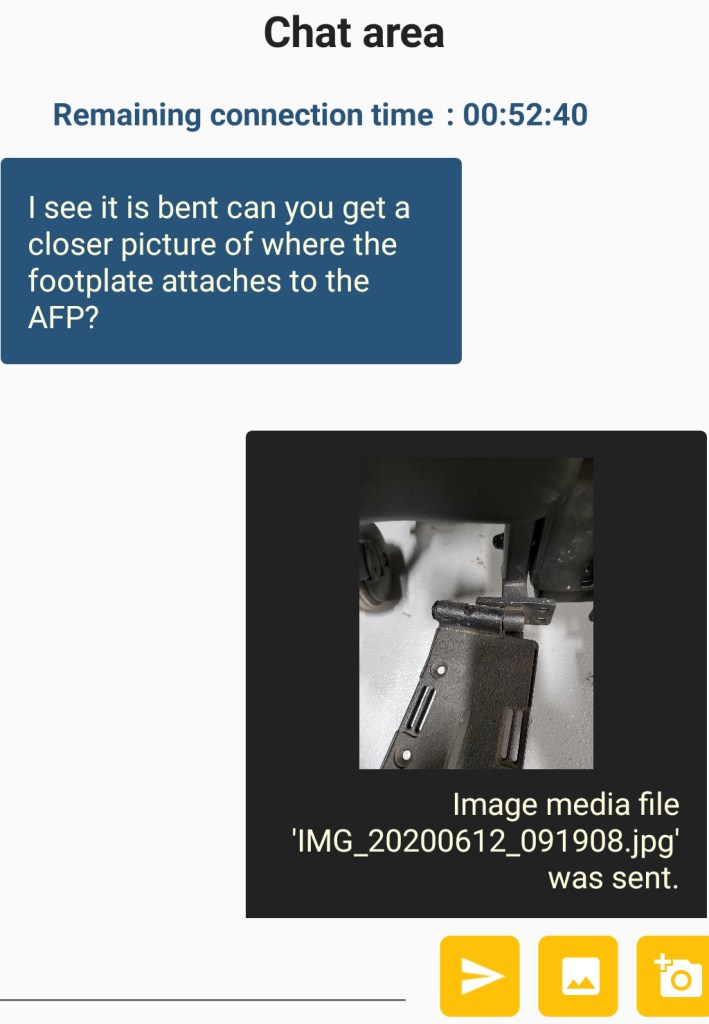
The latest updates to the must-have app for remote service now include the ability to send photos through the chat feature. Both you and your child’s mobility chair provider can exchange photos of what you are seeing on the mobility chair and the joystick screen.

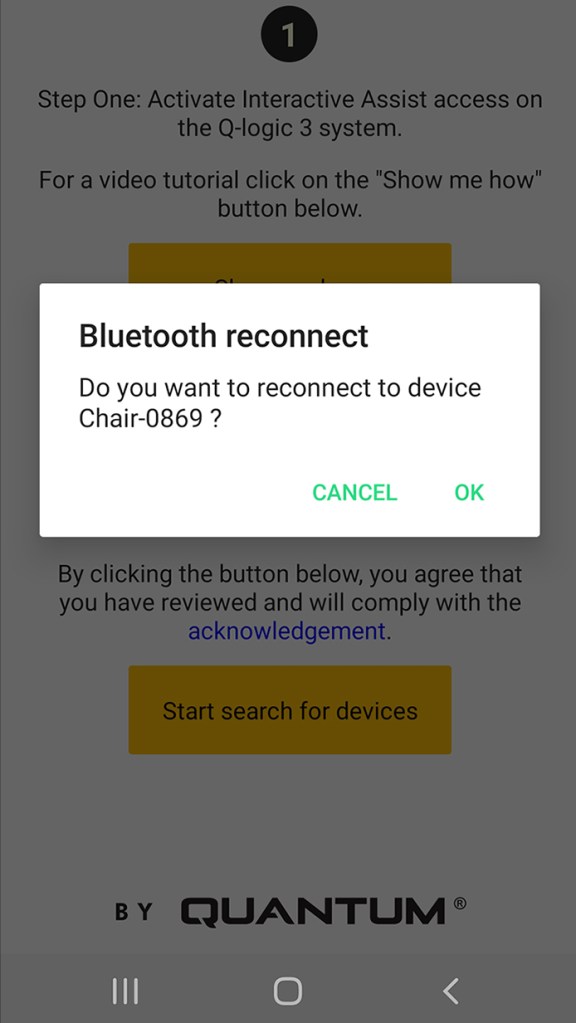
Another new feature of Interactive Assist is the Bluetooth® auto connect. If the connection between your son or daughter’s child wheelchair and your provider’s programming station is lost, the Bluetooth auto connect automatically pairs to the mobility chair again.

Not comfortable with using Interactive Assist? No problem! A system tutorial is now available within the application, linking to a video on quantumrehab.com. The tutorial explains the basic features of the application and how to use it. You can view this and other great videos by visiting Quantum’s video page, which offers the latest digital content with Quantum power wheelchairs

The Interactive Assist application can be used with the Q-Logic 3 Advanced Drive Control System and Q-Logic 3e controller. The Edge 3 Stretto® child wheelchair is compatible with both Q-Logic and Q-Logic 3e. The new features of Interactive Assist are only compatible with Android™ OS 8 and higher and Apple® iOS and higher, although the current version of the app will continue to work on any OS below those previously mentioned.

Resources for Able-Bodied Individuals

Wanting to educate yourself about people with disabilities is the first step to making the world an inclusive place. If you are able-bodied or know someone who is that wants to learn more about the disabled community and how to be respectful and inclusive of others, that’s great. Unfortunately, it can be overwhelming in the beginning, especially when disabilities are diverse. Maybe you or someone you know is wrestling with the following questions:

How do I respectfully refer to someone who has a disability? What is okay to ask? Am I making assumptions about someone who has a disability?

Fortunately, we have a starting point. The following are some resources written by our own brand ambassadors and Q Roll Models that can help in answering those questions.

Identity First vs Person First

What is the right way to refer to someone who has a disability? Isabella Bullock explores some common terms used in the past, as well as the difference between identity first and person first when referring to someone with a disability. She also gives examples of each type of language use. Isabella concludes that when it comes to someone with a disability, the best thing you can do is ask the individual if they prefer identity first or person first, as it’s a matter of preference. Preferences can vary from individual to individual and what’s right for one person might be wrong for another. Because people and disabilities alike are so diverse, what one person with a disability says cannot set a precedent for all people with disabilities.

Assumptions, Misconceptions and Stereotypes

Want to avoid awkward moments, or worse, potentially offending someone? Jesse Cuellar tackles some topics such as what happens when able-bodied individuals encounter and interact with wheelchair users, as well as what is okay and what isn’t okay to ask them. When it comes to , how to talk to someone or how to treat someone, it’s important to be courteous, regardless of their abilities.

Josh McDermott also reflects on how people see him and what he wishes able-bodied people would know. He touches upon some misconceptions people have about him physically and intellectually. He also talks about his life and activities he does frequently that surprise people who meet him. Want to gain insight into the daily life of someone living with a disability? Check out Josh’s article.