A Beginner’s Guide to Sitting Volleyball

Sitting volleyball is a form of volleyball that is adapted for people with disabilities. This adapted sport is played similarly to traditional volleyball, with a few modifications to the rules, making this sport playable for people of all abilities.

In this adapted version of volleyball, the net is about 3 feet high, and the court is 10 x 6 meters with a 2-meter attack line. The teams play on each side of the court, which is divided into 5 meters deep by 6 meters wide. The net height is set at 1.15 meters for men, and 1.05 meters for women.

History of Sitting Volleyball

Sitting volleyball was invented in 1956 as a combination of volleyball and a German sport called sitzball.  This served as a rehabilitation sport for injured soldiers. Two years later, the first international sitting volleyball contact was held between Germany and Dutch club teams. Sitting volleyball was officially included in the Paralympic games at Arnhem in 1980. Women’s sitting volleyball was added for the Athens 2004 Paralympic Games.

Sitting Volleyball vs Traditional Volleyball

In both sitting volleyball and traditional volleyball, each team is allowed up to three contacts with the ball before returning it to the opposing team’s side of the court. Like traditional volleyball, each match is the best of five sets, played to 25 points, but you have to win by two.

Even though the rules in sitting volleyball are similar to those in traditional volleyball, there are some differences. For instance, one “cheek” must always be in contact with the floor, including whenever players make contact with the ball. Standing and taking steps are not permitted. However, a short loss of contact with the court is permitted when making a defensive play in the back zone to save a ball and when making a defensive play in the front zone.

Get Started: Finding a Sitting Volleyball Team

Whether you are looking for a local team to play for fun or you’re looking to compete, check out teamusa.org and the Paralympic Club Directory for more information. You can also see if there is a Move United chapter in your area by going to moveunitedsport.org.

Alternatively, you can contact your local parks and recreation department to see what information they can offer you.

Would you rather try a different sport? Learn more about adaptive sports.
A Child Motorized Wheelchair for SMA

Spinal muscular atrophy, also known as SMA, affects the control of muscle movement. An individual with spinal muscular atrophy loses specialized nerve cells referred to as motor neurons, causing muscle weakness and wasting. In severe cases, the muscles used for breathing and swallowing are also affected.

There are many types of spinal muscular atrophy. Spinal muscular atrophy type 1 is a severe form and can be discovered at birth or during the infant stage. Babies with spinal muscular atrophy type 1 are developmentally delayed, unable to support their head and may have problems with breathing or swallowing. Spinal muscular atrophy type 2 typically develops in a child between 6 to 12 months of age. Children with spinal muscular atrophy type 2 can sit without support but cannot stand or walk without help. A child with SMA can benefit from a child motorized wheelchair. Read on for more information on child motorized wheelchairs.

Spinal Muscular Atrophy Wheelchair

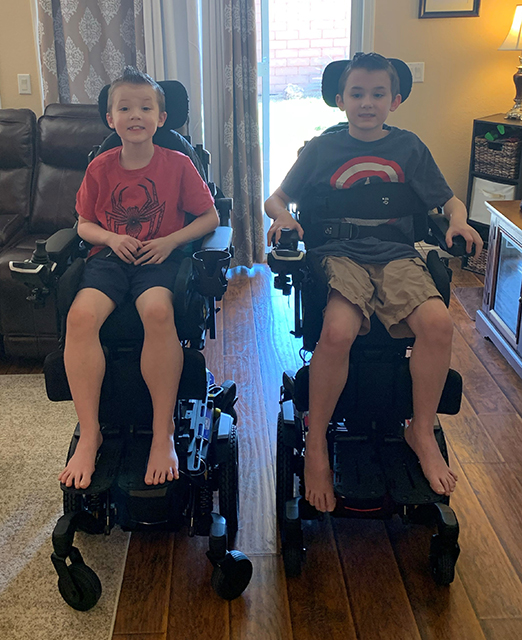
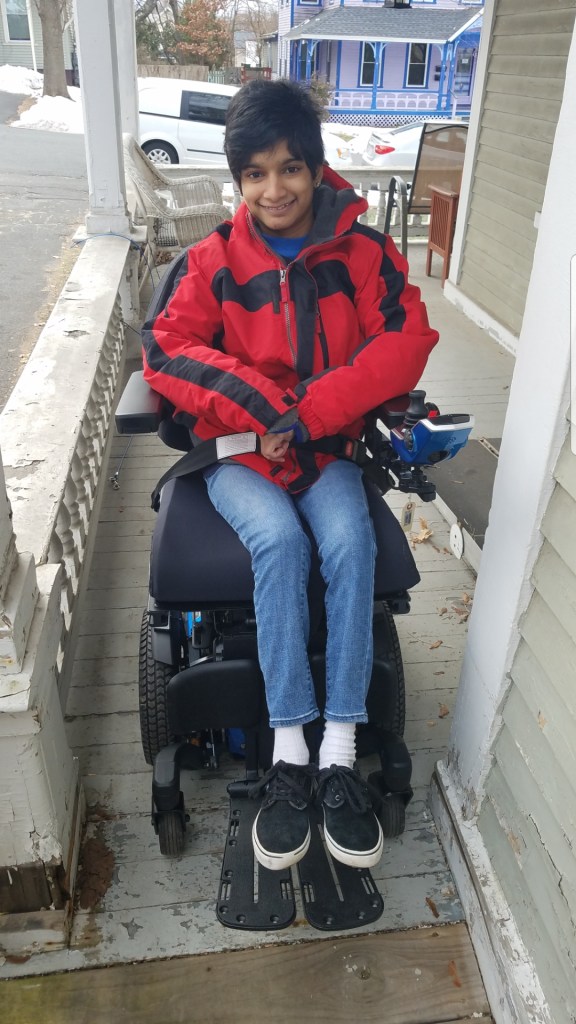
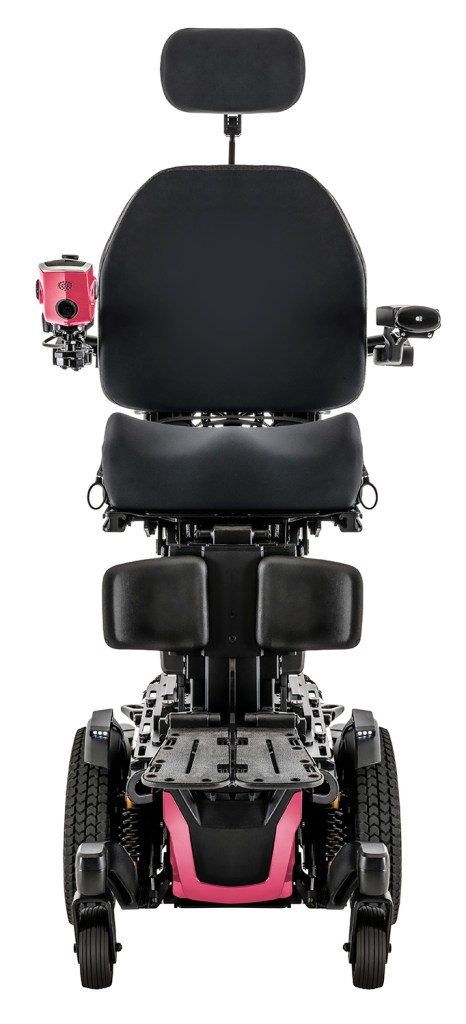
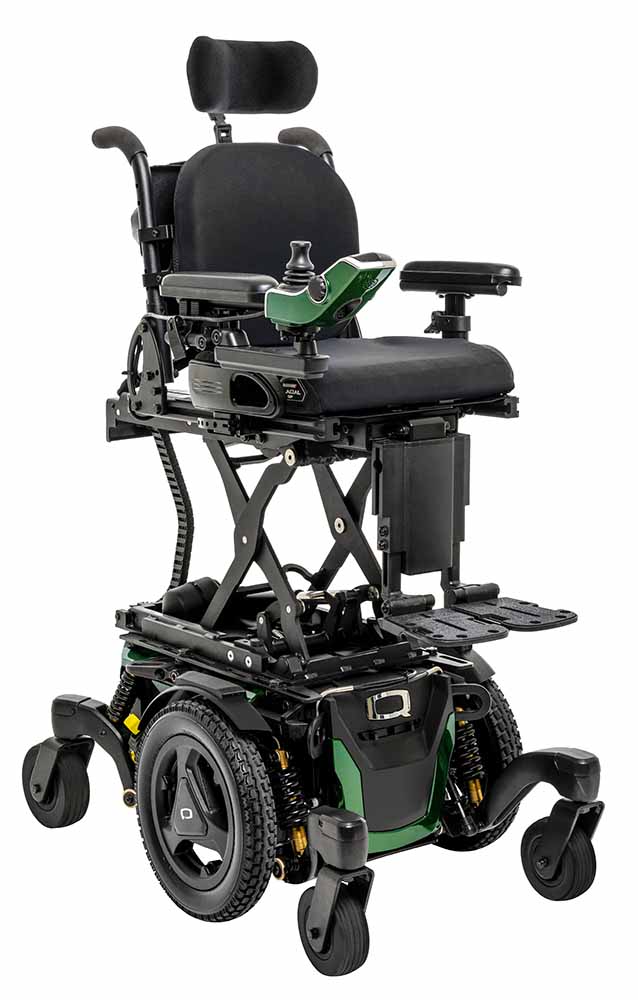
The Edge 3 Stretto® is the perfect choice for a child living with spinal muscular atrophy. The ultimate pediatric power chair, the Stretto is also the narrowest power base in America, with an overall width of 20.47 inches when 12.5-inch drive wheels are chosen. Even if your child needs 14-inch drive wheels, no problem! The Stretto is still extremely narrow at 21.75 inches in overall width. Perfect for maneuvering within the home, your son or daughter can easily navigate child-sized spaces. The Stretto is a spinal muscular atrophy wheelchair because it can be fitted with specialized seating, positioning and electronics to help your son or daughter maintain his or her independence and medical needs. The Stretto comes standard with LED fender lights and a USB charger port for powering a smart phone or tablet.

Child Motorized Wheelchair Positioning

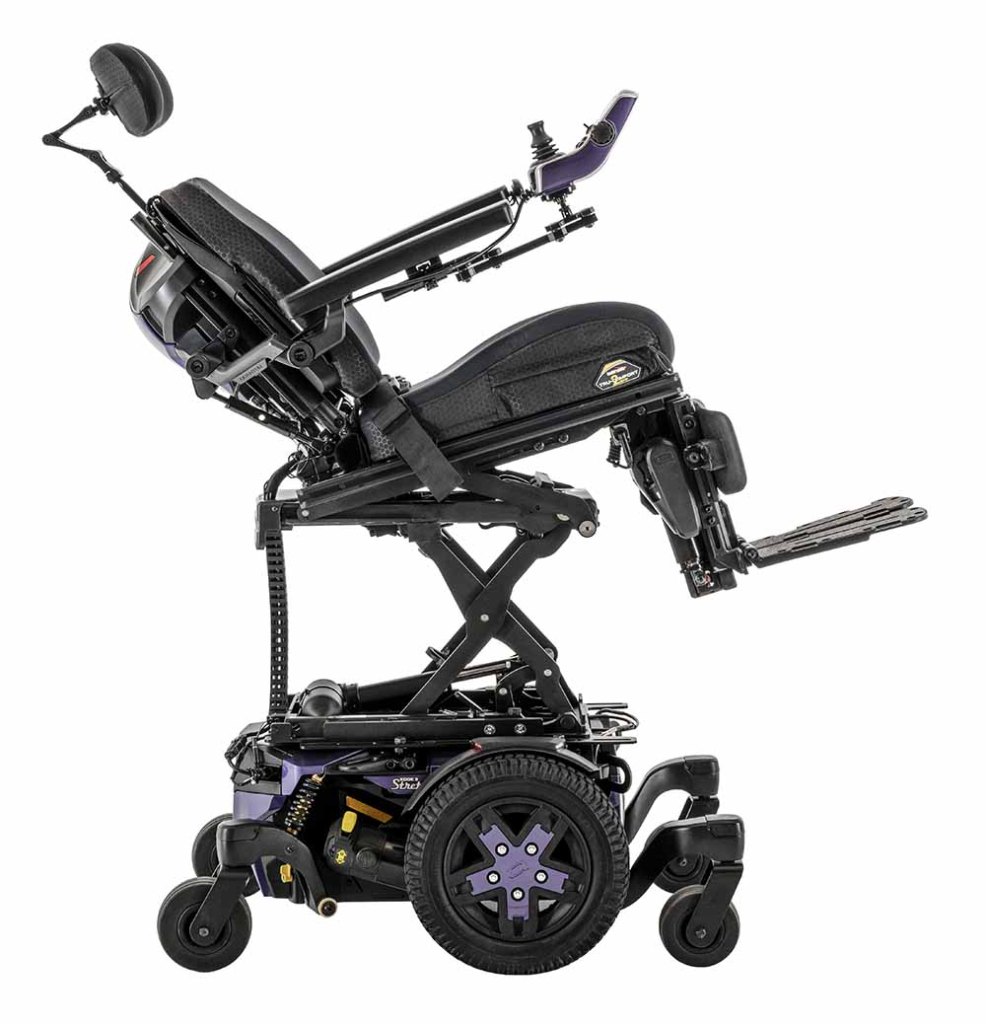
TRU-Balance® 3 Power Positioning Systems on the Stretto child motorized wheelchair offers an array of medical benefits, including increased sitting tolerance. TRU-Balance 3 can be customized to assist your child with function, postural realignment and pressure relief.  Available options include power tilt, power recline, power articulating leg rests, power articulating foot platform and iLevel® Power Adjustable Seat Height.

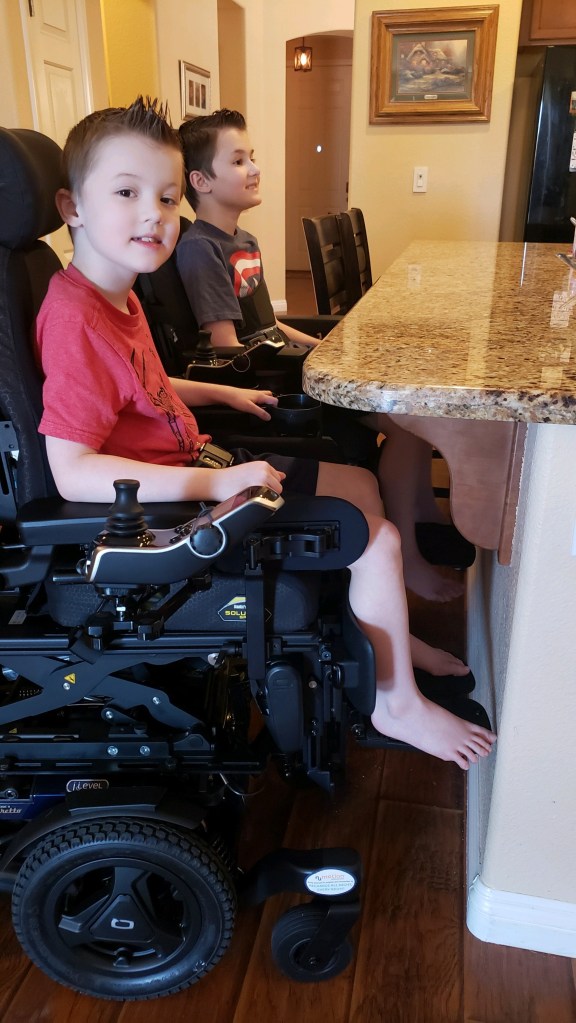
Available with iLevel, the Edge 3 Stretto allows your child to elevate his or her wheelchair seating up to 12 inches. This elevation can help your child complete daily tasks, such as grooming, reaching, toileting and transferring. Your son or daughter can also drive at 3.5 mph while elevated, allowing him or her to keep up with friends and family.

The Best Pediatric Wheelchair Brands

Looking for the best pediatric motorized wheelchair for your child? Not sure which brand is best suited for your son or daughter? At Quantum Rehab®, we understand that the comfort of your child is extremely important to you, as well as his or her independence! Here are three reasons why you should choose Quantum, one of the best pediatric wheelchair brands on the market today!

We Build Custom Wheelchairs

At Quantum, we build each wheelchair to custom fit the individual. With so many options available, from power positioning and seating systems, to custom-built electronics and alternate drive controls, your son or daughter gets a wheelchair that best meets his or her needs. If your child needs a complex rehab wheelchair, we can refer you to a local authorized Quantum dealer. If your child qualifies for complex rehab, the dealer can evaluate your child’s needs and give you a quote. Learn more about custom wheelchairs and complex rehab.

We Offer the Ultimate Pediatric Power Chair

Quantum has the ultimate pediatric power chair, the Edge 3 Stretto®, which is also the narrowest, most maneuverable pediatric power chair in America. With an overall width of just 20.47 inches, the Stretto can maneuver around tight corners and small spaces. It also delivers a smoother ride with independent SRS (Smooth Ride Suspension). The Edge 3 Stretto comes standard with LED fender lights and a USB charger port. Your son or daughter can choose from an array of exciting and fun colors, such as Green Machine or Lemon Crush.

Elevated Independence with iLevel®

The third reason why you should choose Quantum for your child’s wheelchair needs is optional iLevel® technology, which is available on the Edge 3 Stretto. iLevel is another great reason why Quantum is one of the best pediatric wheelchair brands in the industry. With iLevel on the Stretto, your child can elevate his or her wheelchair seating up to 12 inches and drive at 3.5 mph, so he or she can keep up with family and friends. iLevel offers Extra Stability Technology®, which enhances safety for transferring, reaching, cooking, grooming, toileting and many other activities of daily living. iLevel can benefit your child in the school setting as well. From reaching the water fountain to writing on the blackboard, your child can have greater access and independence with iLevel. iLevel also increases social confidence, allowing your child to be eye level with his or her peers.

Ready to order a custom wheelchair for your child? Find a dealer  near you today!

A Narrow Motorized Wheelchair and Multiple Sclerosis

Multiple sclerosis, otherwise referred to as MS, is a chronic auto-immune disorder within the central nervous system. Multiple sclerosis affects neurons that allow an individual’s brain to control his or her body. Multiple sclerosis types include primary progressive (PPMS), clinically isolated syndrome, (CIS), relapsed-remitting (RRMS) and secondary progressive (SPMS). Symptoms of multiple sclerosis include the loss of vision, balance, sensation and muscle control. More commonly found in women, MS primarily affects adults between the ages of 20 and 40. Click to learn more about multiple sclerosis types.

Due to the progression and types of multiple sclerosis, individuals may need mobility aids, such as a cane or walker. Some patients with MS require power mobility to complete activities such as cooking, grooming, reaching and transferring, otherwise known as Mobility Related Activities of Daily Living (MRADLs).

The Best Narrow Wheelchair for MS

If you have been diagnosed with multiple sclerosis, Quantum® Power Chairs can help meet your needs and give you independence. An MS patient can be fitted with a narrow motorized wheelchair, such as the Edge 3 Stretto®, the narrowest power base in America! This narrow motorized wheelchair is easily adapted with different seating, positioning and electronics as the condition progresses. The Edge 3 Stretto is available with iLevel® technology, allowing patients to elevate 12 inches and drive at 3.5 mph. This elevated seating technology can assist individuals with MS in completing MRADLs.

A Narrow Wheelchair for Indoor Use

The Edge 3 Stretto has an overall width of 20.47 inches when 12.5-inch drive wheels are chosen. This width produces an ideal narrow wheelchair for indoor use. Maneuver easily in kitchens, bathrooms and bedrooms. Equipped with independent SRS (Smooth Ride Suspension), the Stretto can handle driving over thresholds with ease. The Stretto comes standard with LED fender lights, allowing you to see and be seen at night. Compatible with TRU-Balance® 3 Power Positioning Systems, the Stretto narrow motorized wheelchair can be fitted with an array of options, including power tilt and power recline, iLevel, power articulating leg rests and power articulating foot platform. These options can assist with independent repositioning, pressure relief and increased sitting tolerance.

Ways to Protect Yourself During COVID-19

With all the news going around about COVID-19 on television and online, you may be wondering how to protect yourself from this potential threat to your health. We’ve compiled a list of ways you can protect yourself and others during COVID-19.

Wear a Mask

Even if you don’t have COVID-19, you can still be a carrier. This puts others at risk for contracting the illness, even if you don’t show symptoms or feel sick. If you must go out, whether to get groceries or get takeout, you should wear a cloth face cover or mask in public. Contrary to popular belief, a mask is meant to protect others from you, rather than protect you from other individuals’ germs.

The Centers for Disease Control and Prevention (CDC) do not recommend cloth face coverings on young children under age two, anyone who has trouble breathing or is unconscious, incapacitated or otherwise unable to remove the mask without assistance. They also advise to not use a face mask meant for a healthcare worker.

Although wearing a facemask is one of the best things you can do when you’re out in public, it is not a substitute for social distancing. Social distancing should still be practiced when in public.

Wash Your Hands Often

The CDC recommends that you wash your hands often. This can either be with soap and water for 20 seconds or a hand sanitizer that contains at least 60% alcohol. For more in-depth information on CDC recommendations for handwashing, check out brand ambassador Stephanie Woodward’s article, Be Aware and Wash with Care.

Keep Your Distance from Others

Avoid close contact with people who are sick to reduce your risk of contracting COVID-19. This is especially important if you’re a higher risk patient. Social distancing means not gathering in groups, staying out of crowded places, avoid mass gatherings and maintaining a distance from others of at least six feet. However, this can be easier said than done, especially for wheelchair users. Read brand ambassador Jesse Cuellar’s article on caretakers and social distancing to learn more.

What About Having Fun?

Taking safety precautions doesn’t mean sacrificing fun. There are plenty of activities you can do while practicing social distancing. Check out our article on adaptive sports you can play during COVID-19.

For more information about protecting yourself during COVID-19, check out our article. You can find tips specifically for wheelchair users to keep in mind when taking care of their mobility equipment and the environment around them.

Adaptive Water Sports and COVID-19

Summer is almost here and for many, that means spending time in the water! With states slowly lifting stay-at-home orders, there are more opportunities to get outside and do something fun. Although group sports aren’t currently an option, there are still ways you can get exercise while maintaining social distancing recommendations.

Adaptive Water Skiing

If you live near a body of water that can accommodate a high-speed boat, try adaptive water skiing. Once you learn the basics, you can participate with your loved ones. The best part is, you can practice social distancing because you are a safe distance from the person driving the boat. There is a wide array of equipment available that allows people of all ages and abilities to experience this fast-paced sport. Learn more about adaptive water skiing.

Adaptive Swimming

While public pools may not be open at this time, if you have your own pool, you can swim right at home. If you don’t already know how to swim, we recommend starting off by taking private lessons or getting a coach. Working one-on-one with someone who is experienced can help you figure out your best streamline and start learning strokes. While those parts of your lessons will be tailored to your body type and abilities, other parts of swimming like breathing, comfort, balance and reach are the same for all swimmers. It won’t be long before you’re swimming alongside those in quarantine with you! Read more about adaptive swimming.

Adaptive Surfing

If you live near the ocean, some beaches are reopening, making it possible to go surfing. Like swimming and water skiing, surfing has been adapted for wheelchair users so that people of all abilities can participate. Surfing is also an independent sport, meaning that it can be done on your own. Whether you surf alone or with anyone who has been quarantining with you, you can still practice social distancing on the water while having fun. Before you go surfing, there are a few things you may need. Check out our article about adaptive surfing for more information.

Having to stay at home and away from loved ones for an extended period of time can be difficult.  Because of this, it’s important to do activities that boost your mood, such as exercising. You know what they say when life gets tough: Just keep swimming!

Swimming for Para-athletes

While many sports are adapted and slightly altered for individuals with disabilities, swimming is a sport that anyone can do. It just takes a little bit of learning and a lot of practice. Swimming has been a part of the Paralympics since the first Games in 1960 in Rome. Today, both men and women participate in these highly competitive races, taking place in 50-meter pools. However, even if you aren’t interested in competing, swimming is a great way to get a workout while having fun.

Who Can Swim?

The nice thing about swimming is that anyone can learn to do it recreationally! Not only does swimming provide you with a fun activity to do with family and friends, but it’s also an important skill that can be lifesaving in certain situations.

When it comes to swimming competitions, like the Paralympics, there are some qualifications you must meet. Competitions are open to male and female athletes with physical disabilities such as amputation or limb loss, spinal cord injury, cerebral palsy, brain injury, stroke, dwarfism, cognitive impairment and blindness or visual impairment. However, no prostheses or assistive devices are permitted in the pool when competing.

According to Adaptive Sports USA, para-athletes are classified on their functional ability to perform each stroke. Their skills are tested in freestyle, backstroke, butterfly, breaststroke and medley events. Learn more about classifications on the Team USA website.

Where to Start

We recommend starting off by taking lessons or getting a coach. Working one-on-one with someone knowledgeable and experienced can help you figure out your best streamline and start learning strokes. While those parts of your lessons will be tailored to your body type and abilities, other parts of swimming like breathing, comfort, balance, reach and smooth are the same for all swimmers.

Depending on whether you want to compete or just swim for fun determines on how many lessons you need. If you want to learn basic swimming techniques to be able to swim alongside family and friends, you don’t need as many lessons. If you want to swim competitively, you may need more coaching.

Swim Competitions and Events

There are many organizations in the USA that hold swim meets, such as Adaptive Sports USA, U.S. Paralympics and USA Swimming. In fact, Paralympic swimming competitions are among the largest and most popular events in the Paralympic Games. Because of its popularity, there are many opportunities to be a part of swim events around the country.

In addition to getting a swim coach, you can attend camps and clinics. For more information, dates and location of events, visit teamusa.org.

Indoor Group Activities and COVID-19

After self-quarantining for a few months, it’s natural to want to get out and spend some time with loved ones. As stay-at-home restrictions are lifted, it can be tempting to go back to living life as it was before. However, when it comes to returning to our routines, it’s a slow process. You still want to be cautious and protect yourself and others from the potential threat to your health that is still out there. For that reason, we want to talk about gatherings and other activities that you may be interested in, as well as safer alternatives.

Restaurants and COVID-19

Restaurants are a great place to gather with friends and family while supporting a local business and eating good food. Unfortunately, eating out is still not an option in many areas. However, in states where stay-at-home restrictions are being lifted, some restaurants are opening their doors for outdoor seating, as it is a slightly safer alternative to eating inside of the restaurant. Despite this, if you want to play it safe but continue to support local, many restaurants offer takeout that you can pick up or that can be delivered to your door. This is the safest option, as you have minimal contact with potential carriers of the virus or contaminated surfaces and objects.

Large Group Gatherings and COVID-19

When it comes to large indoor gatherings of groups of more than 10 people, such as religious services and weddings, these can put you at higher risk for contracting COVID-19. The more people there are, the more difficult it is to practice social distancing.

Worship services involve people from different households coming together indoors for an extended time. When it comes to celebrations like weddings, attendees may be people traveling by car or plane from other places, which is riskier than inviting people who are local. Not only can this be dangerous for you, but also for any guests who are older or more vulnerable. Ideally, gatherings should be outdoors with a limited number of guests so that everyone can stay at least six feet apart.

Indoor Activities and COVID-19

When it comes to indoor activities like going to a shopping mall, National Public Radio (NPR) states that the risk involved depends on what kind of mall it is, how crowded it is and how much time you spend there. If there are more crowds and less space to practice social distancing, there is an increase in risk.

Factors that can affect risk include outdoor malls vs indoor malls, how empty or crowded the mall is, whether you shop with purpose or leisure. The longer you are lingering in a public area, the more at risk you are in coming into contact with someone who may have the virus. It is wise to know what you’re going to buy ahead of time and wear your mask as you pick it up. Also, going at off-peak hours reduces your risk. If you do go out, bring hand sanitizer and make sure to apply it after you touch any shared surfaces like handrails or elevator buttons.

Activities where you are surrounded by a crowd of people, such as going to a nightclub, is a very high-risk activity. According to NPR, “Crowds, ultra-close contact, singing, sweating and inhibition-loosening alcohol are a potent cocktail of risk factors.” They also mention that when drinking, people become less compliant with rules. This allows for the virus to spread easily if there’s someone who is infected in the crowd.

While not all indoor activities are deemed safe yet, consider doing some outdoor activities if you’re getting together with others.

A Super Narrow Wheelchair for ALS

Amyotrophic Lateral Sclerosis, also called ALS, is a progressive neuromuscular disease. It causes the loss of structure or function of motor neurons in the spinal cord and brain. The brain loses its ability to control muscle movements. ALS is a progressive condition. A person with ALS typically experiences a sudden decline in function and their mobility needs change rapidly.  

The Best Narrow Wheelchair for ALS

Individuals living with ALS disease may require a mobility aid such as a walker in the beginning stages, yet they will progress quickly to needing a complex rehab power wheelchair. The Edge 3 Stretto™ is the best narrow wheelchair, with an overall width of 20.75 inches with 12.5-inch drive wheels. This super narrow wheelchair can easily maneuver in small spaces. The Stretto can easily be adapted to accommodate the changing needs of ALS patients, from seating and positioning to alternate drive controls. The Edge 3 Stretto features independent SRS (Smooth Ride Suspension) and comes standard with a USB charger and LED fender lights for greater visibility. The Stretto is available with iLevel® technology, allowing users to drive at 3.5 mph while elevated at 12 inches. Power seat elevation assists ALS patients in completing Mobility Related Activities of Daily Living (MRADLs), such as cooking, reaching, transferring and grooming.

A Super Narrow Wheelchair and Positioning

A patient living with ALS may require power positioning on his or her narrow wheelchair to assist with postural realignment, pressure relief and function. TRU-Balance® 3 Power Positioning Systems is available on the Edge 3 Stretto. Highly adjustable, TRU-Balance 3 offers many options, including power tilt, power recline, power tilt and recline, power articulating foot platform and power articulating leg TRU-Balance 3 delivers an array of medical benefits, including increased sitting tolerance, independent repositioning and positioning for improved breathing and function.

Narrow Wheelchair Drive Controls

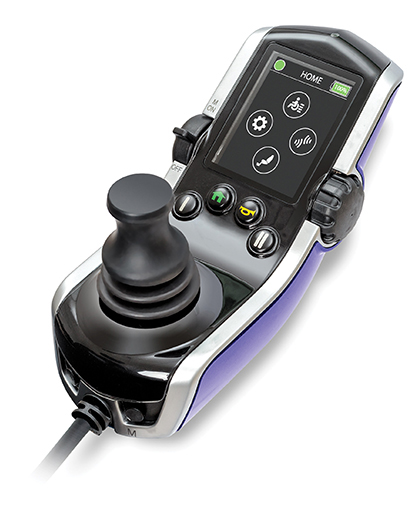
Patients with ALS disease may need expandable electronics to operate a complex rehab power wheelchair. In the beginning, an individual with ALS can use Q-Logic 3 Advanced Drive Controls and operate his or her chair with a joystick. Q-Logic 3 comes standard with Bluetooth®, enabling individuals to operate their smart phones and tablets using the Q-Logic 3 screen. Discover what else patients can do using Bluetooth and Q-Logic 3 on their super narrow wheelchair. As an individual’s ALS symptoms progress, Q-Logic 3 can be adapted to accept alternative drive controls, such as switched driving, chin control or a head array.

Activities to Do While Staying Home

Regardless of whether you consider yourself a homebody or someone who loves to go out, staying at home for an extended period of time can be tough. It seems like when your life is busy, there is a lot you want or need to do around the house. Now that you’re home for a while, you can’t seem to find anything to do! We’ve gathered a list of some ideas for activities to do while staying at home.

Work on Projects

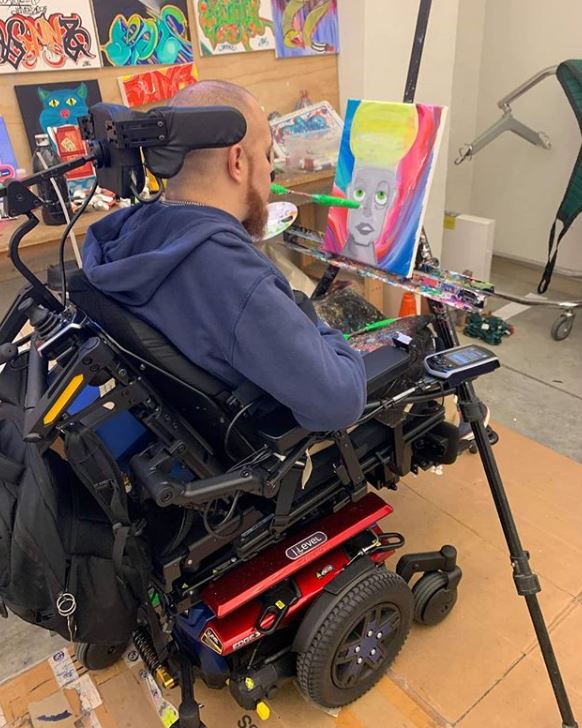
Working on projects could mean whatever you want it to mean. Do you want to paint a room in your house? Is there clutter that needs to be removed? Is there a craft or dream project that you want to work on, but push it off because you can’t find the time to work on it? If you don’t already have a project in mind or have already worked on everything that you wanted to inside of the house, consider outdoor projects, aside from mowing the lawn.

Spring is the perfect time for landscaping or starting your garden. Many families that own a pool are taking time to reopen it for the coming summer months. The nice thing about projects is that you don’t have to do them alone. If you live with other people, you can work on these projects together.

Play a Game

Remember that video game you want to complete but haven’t had time to play? Now is the time to complete all the games on your list. If you are with your family or have roommates, you can break out the board games and play an intense round of Monopoly or Life. Also, thanks to technology, having a virtual game night with loved ones is a possibility. Some classic games are available online, such as Scrabble and chess. In addition to the classics, there are options for multiplayer games like trivia and other party games.

Read a Book

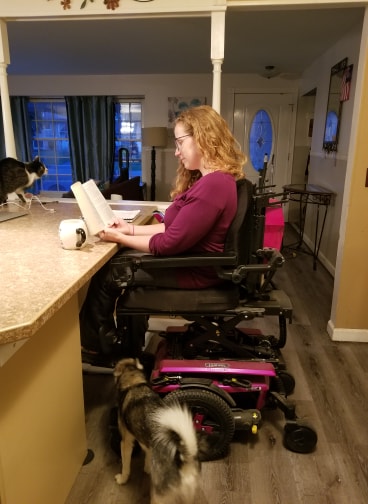
If movies and video games aren’t your thing, now is a great time to catch up on some reading. This could be reading for fun or reading to learn. Although visiting your favorite bookstore or the library may not be a possibility at the moment, many libraries offer e-books and audiobooks that you can borrow, using your library card. If you don’t have a library card, but you have a Kindle, you can buy and download books onto it to read digitally. However, for those who prefer holding a physical book in their hand, delivery websites like Amazon and Thriftbooks are still up and running, delivering books you order to your door.

Cook or Bake

If you’re feeling stressed out, cooking and baking are great ways to get creative, practice a life skill and relieve stress. If you’re a wheelchair user and live in a home that isn’t designed for accessibility, it can be difficult to do either activity because of high counter tops or cabinets. Because of the physical challenges that shelving and appliances can pose, it can be difficult to do either activity safely. However, some wheelchair users have found ways to practice their hobbies in their homes without having to remodel the house. Read how Sakina and Christina use their power wheelchairs with iLevel® to bake tasty treats in their homes.

Learn a New Skill

Finally, if you feel that you’ve done all you can at home, it may be time to try something new. With online courses and tutorials, learning a new skill is as easy as doing a quick search. There are courses and tutorials available for just about any topic you can think of, ranging from learning a new language to painting. Your new hobby is just one click away.

Staying at home doesn’t have to be boring. Your time at home is what you make it. It just may take a little bit of creativity!