Discovering Child Electric Wheelchairs

If your child has been diagnosed with a severe medical condition that affects his or her mobility, you probably have a lot of questions. What kind of quality of life will he or she have? What kind of equipment will he or she need? We hope to answer some of your questions and guide you through the process of selecting the appropriate child electric wheelchair for your son or daughter.

Quantum® and Pediatric Wheelchair Manufacturers

There are many pediatric wheelchair manufacturers on the market. Quantum Rehab® is dedicated to delivering the most advanced, consumer-inspired complex rehab power wheelchairs and technologies to those who need them. From pediatric wheelchairs to electric wheelchairs for adults, Quantum products are designed to fully meet consumers’ medical and quality-of-life needs.

The Narrowest Child Electric Wheelchair
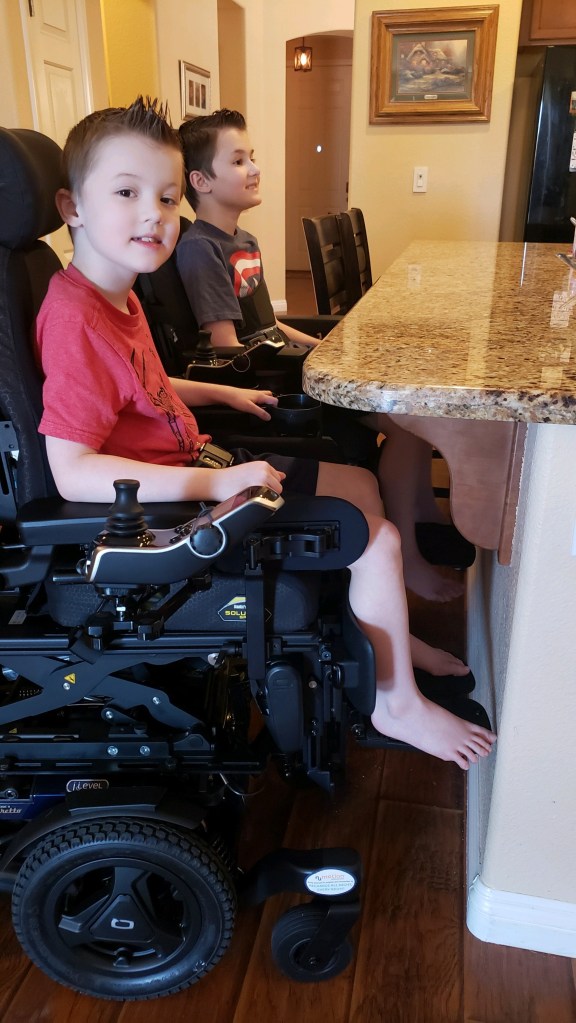
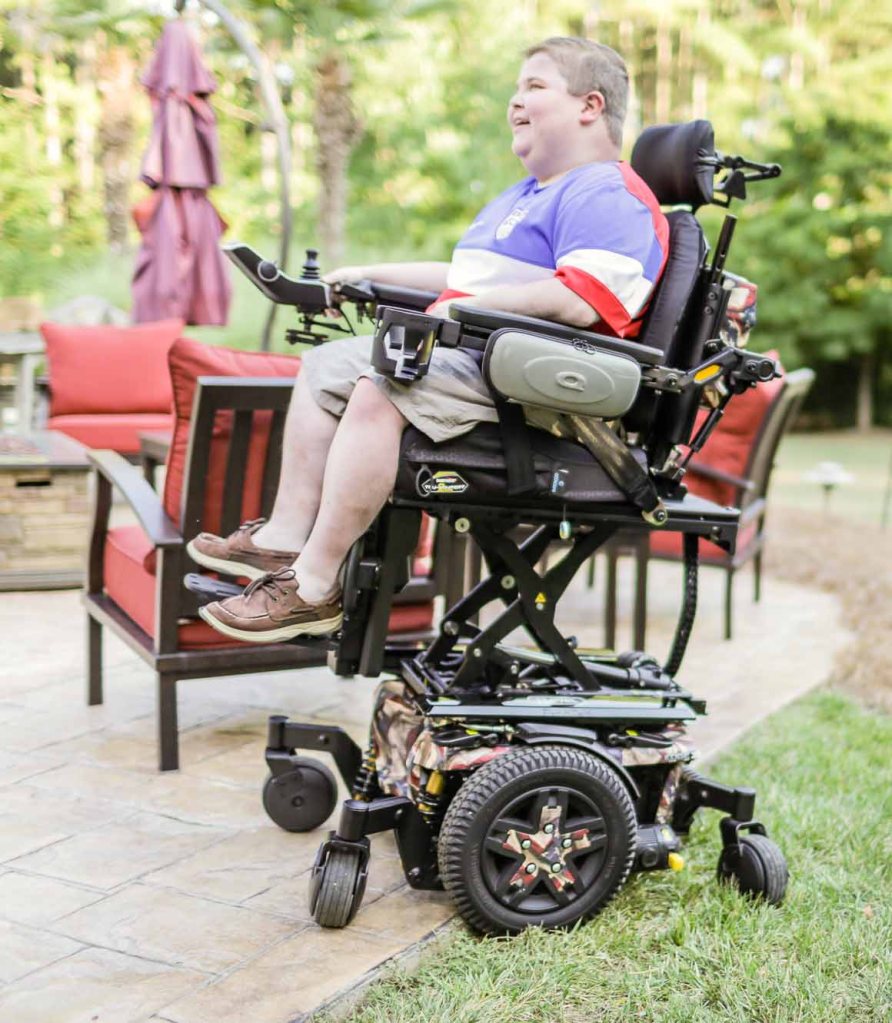
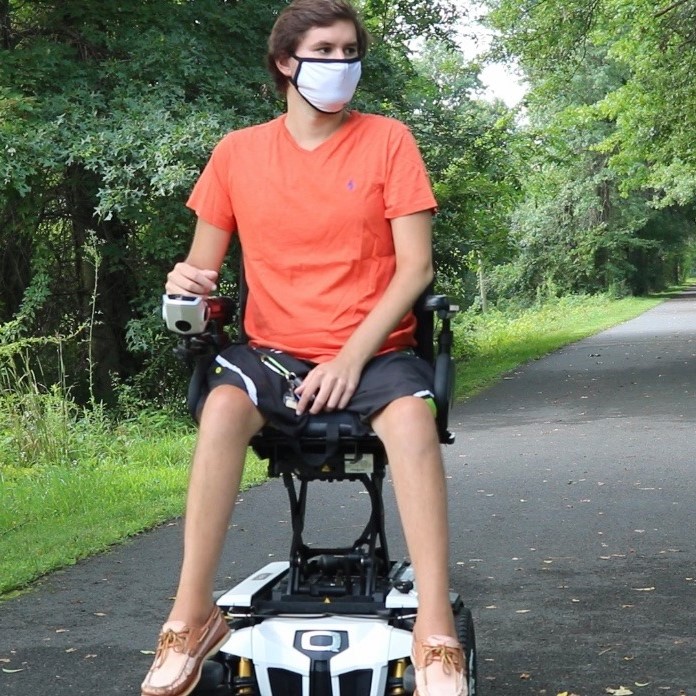
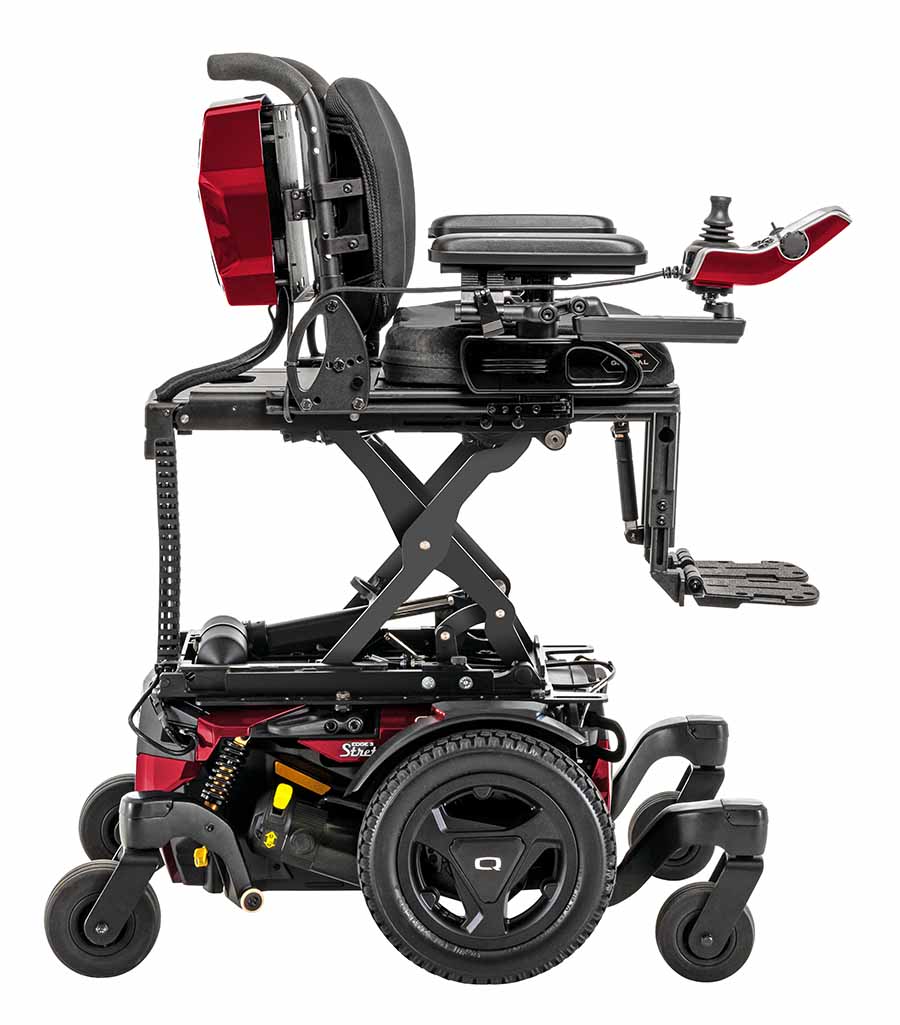
With so many pediatric wheelchair manufacturers and child power wheelchair models, you may feel overwhelmed by the options. Consider the Edge 3 Stretto®, the narrowest child power wheelchair, with an overall width 20.47 inches with 12.5-inch drive wheels. The Stretto’s narrower width provides exceptional maneuvering in the home, at school and on the playground. Fully customizable, the Edge 3 Stretto can be fitted with the components your child needs. Compatible with TRU-Balance® 3 Power Positioning Systems, the Stretto can be customized with options such as power recline, power tilt, power articulating foot platform and more. The Stretto comes standard with rear and front LED lights, ensuring your son or daughter can see and be safely seen. A USB charger port is also standard.

iLevel® and Child Electric Wheelchairs

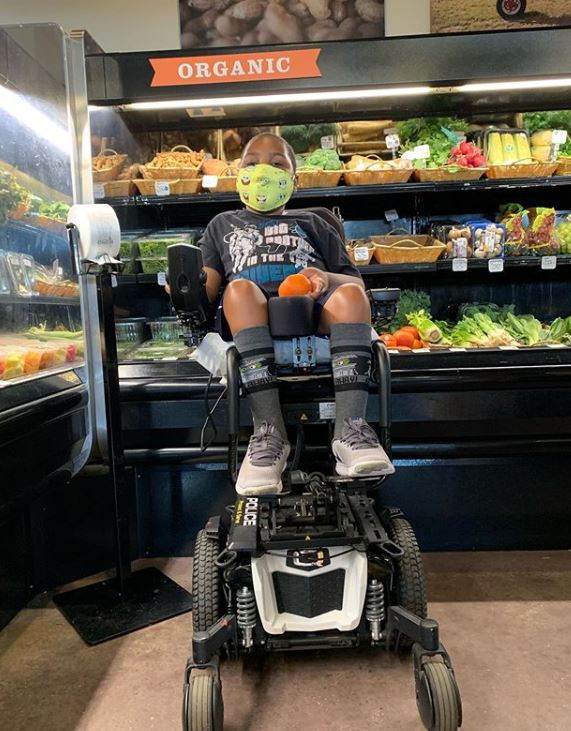
The Edge 3 Stretto child electric wheelchair is available with optional iLevel® technology, which raises the seat of the chair up to 12 inches. iLevel on the Edge 3 Stretto allows the user to drive at 3.5 mph while elevated. See your son or daughter’s confidence rise with iLevel, which enables your child to complete daily activities, such as transferring, grooming and reaching. “Officer” Morgan Steward is a Quantum brand ambassador and uses iLevel in his daily life. Discover how Morgan uses his pediatric wheelchair with iLevel at home and at school.

Ready to find out if the Edge 3 Stretto with iLevel is right for your child? Schedule a face-to-face exam with your child’s doctor or therapist. Your child can be evaluated to determine if he or she may benefit from a complex rehab power wheelchair, such as the Edge 3 Stretto.
Life in Quarantine as a Wheelchair User

At its core, life in quarantine sounds dull. Everyone stays home, sheltering in place. However, even though everyone is following the same guidelines, each person’s life before quarantine presents unique challenges in trying to continue that same lifestyle while staying at home. For Amy Bleile, that means problem-solving as she figures out how to deliver education services through a computer that are going to fit the needs of her students.

Not only is making the transition to online education an adjustment for educators, but it is also for a big change for students. Officer Morgan is learning to adapt to education outside the classroom and not having as much access to their teacher as they would in the classroom. He isn’t the only student that shares his experience schooling from home.

Sakina Shamsi: Home School in Quarantine

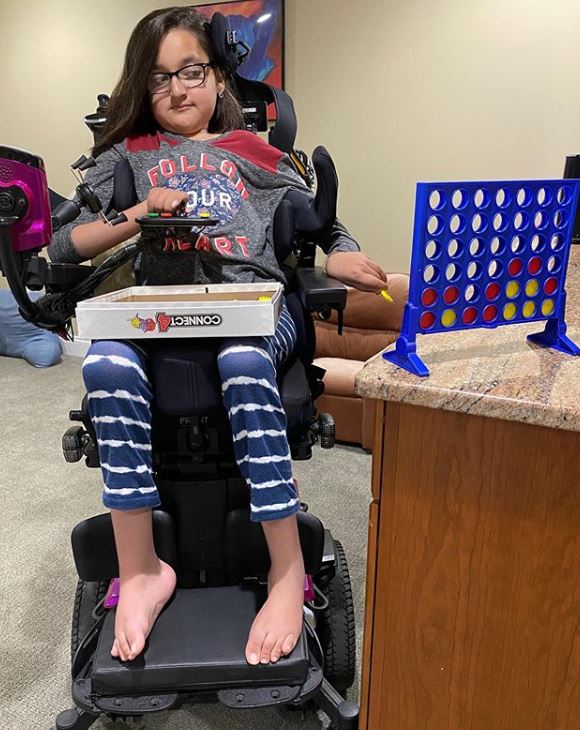
For Sakina, home school isn’t new. Before starting middle school, she did all her learning at home. While she enjoys the change of pace and familiarity of studying from home, she empathizes with other students who don’t have prior experience learning from a distance. Sakina is enjoying the flexibility that online learning has to offer while looking forward to returning to school to roam the halls and see her friends.

Stephanie Woodward: Spending My Birthday Social Distancing

Even though the hustle and bustle of going out and socializing in person has come to a halt, time itself hasn’t stopped. Each day that goes by, there are many people around the world who are celebrating their birthdays, but at a distance. Stephanie talks about her birthday experience during the pandemic, showing that distance doesn’t define how special a day is. There are ways to still make someone feel special, even if the celebration looks different.

Merlisha Henderson: Shelter in Place Made Fun

Shelter in place doesn’t have to mean sitting around, watching TV all day. Much like a staycation, sheltering in place is what you make of it. Merlisha shows that with a bit of creativity, there are a lot of fun activities open to you and anyone living with you. What does it look like to hang out with friends during the pandemic? What about fun activities to do at home with the family? Merlisha has you covered with several fun ideas that you’ll want to add to your quarantine bucket list!

Q-Logic 3e and Q-Logic 3 EX: Meeting Consumer Needs

As a clinician, I learned so much from my clients and their trials of a variety of equipment options. Trialing different options allow consumers to compare all features that can impact efficient and effective equipment use. This is essential to the client-centered approach and requires optimal time management skills with the length of stays becoming increasingly shorter, although the goals and outcomes of our clients remain the same. Every individual is unique and has their own idea of what is most intuitive to use.

When first being introduced to a new power wheelchair, it is important to assess one’s ability to access and utilize the joystick. If it is decided that the proportional joystick standard to the chair is appropriate, then you must examine the functionality of the layout and options of that interface. Always staying client centered allows flexibility to meet the needs of each unique consumer. In this case, the Q-Logic series of joysticks now offers the opportunity to provide a customized approach to our clients’ preferences.

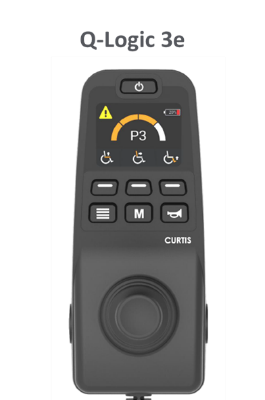
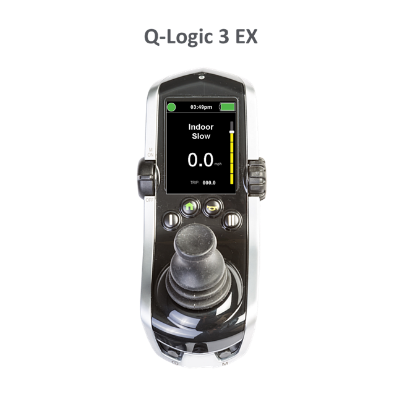
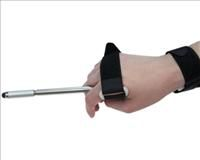
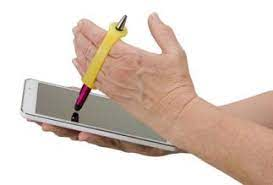
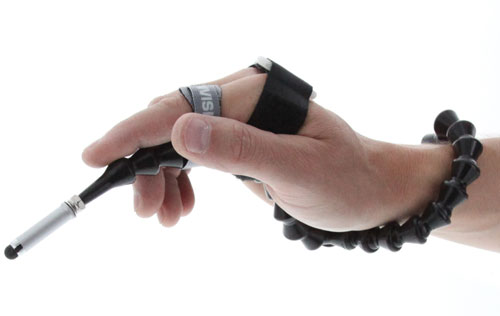
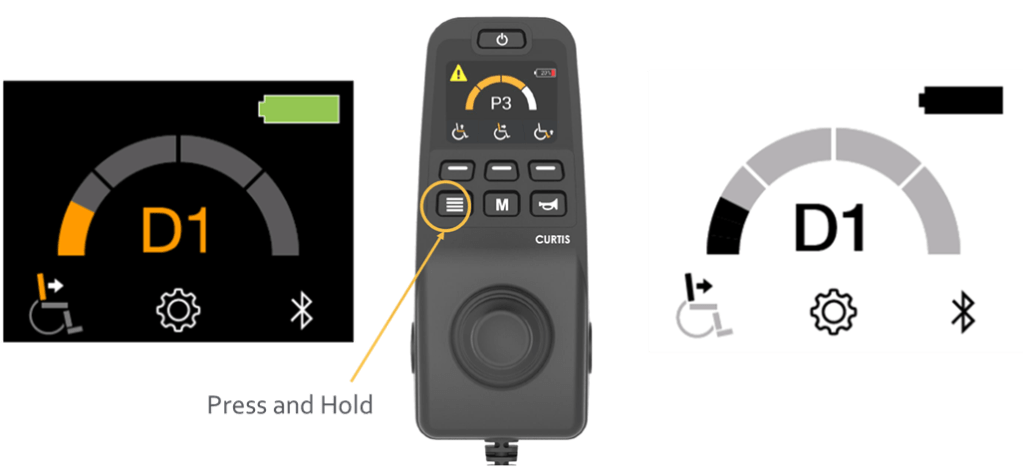
With the Q-Logic 3e joystick, there are some key differences when interacting with this joystick interface while still maintaining the functionality of up to five power seating actuators. Most are familiar with the Q-Logic 3 EX joystick, with a toggle on/off lever and dial operation for speed. The new Q-Logic 3e is fully button based. In my clinical experience, I can distinctly remember some of my clients’ power wheelchair experiences that were directly impacted by being able to manage the additional buttons/switches on the joystick interface. In the case of those with limited hand function, they may utilize a universal cuff or a static wrist support and potentially a stylus or pencil that helps them to interact with and control buttons or switches on their joystick. Depending on the strength, coordination and force an individual has, this can greatly impact the efficiency and effectiveness in which they can manipulate these features.

.ugb-8a5c529 > .ugb-inner-block > .ugb-block-content > .ugb-columns__item{grid-template-columns:0.99fr 0.99fr 1.02fr !important}
Google images: u-cuff with stylus

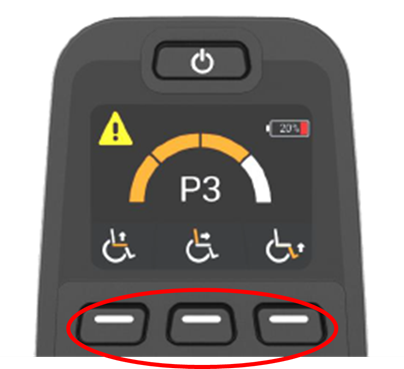
This also leads to a discussion on what joystick is most intuitive to a client. Those with a history of using technology are usually able to understand and recall steps of a joystick operation and features very easily. As we work with a variety of clients, we have to remember this technology could be very new or learning could be impacted by other cognitive changes related to diagnoses. The Q-Logic 3e joystick offers a strictly icon-based color LCD screen that allows a different presentation of the information. Another difference with the Q-Logic 3e joystick is that instead of having a programmable I/II button with the option of an additional iAccess module, you now have a home row of programmable soft keys that function as a built-in iAccess. This allows multiple pages to be programmed for things such as your power seating functions.

Recognizing that our clients sometimes have difficulty with the transition from indoor to outdoor lighting and screen display visualization, new consideration was given to providing a quick option for improved visibility.

All these features are designed with the client in mind. If a client needs Bluetooth® access for environmental controls or is utilizing an alternative drive control, the Q-Logic 3 EX will best meet those needs. What may be intuitive to one client may not be to another. Our commitment is to meet the needs of our clients with every opportunity we can. 

Check out Quantum’s PowerPoint presentation with a clinical comparison of Q-Logic 3e and Q-Logic 3 EX.

About Alex Chesney: Alex is an occupational therapist and clinical sales manager for Quantum Outside Sales. She lives in Texas and enjoys fitness, working out, and taking her two rescue dogs, Brinkley and Riley, on walks!

Disability Mentorship and the Next Generation

Many of our brand ambassadors and Q Roll Models are advocates for the Disabled Community, breaking down barriers and advocating accessibility and inclusivity. However, their passion goes beyond educating able-bodied individuals and promoting positive changes. Several of our brand ambassadors also look to make an impact in the lives of other wheelchair users, specifically the next generation. Whether at an organized event, summer camp, or program, you can do your part in leaving a legacy for future generations.

Disability Mentoring Day

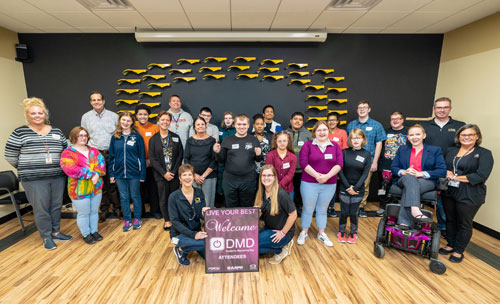
Disability Mentoring Day (DMD) is mentoring program designed to increase awareness of National Disability Employment Awareness Month (NDEAM). DMD was founded in 1999 through a White House initiative and began with less than three dozen students. At first, it was just a one-day event, but has now become an extensive national mentoring program for young professionals with disabilities around the United States. This program promotes career development for students and job seekers with disabilities by giving kids the opportunity to explore different careers. Both Bryan Anderson and Kiel Eigen have participated in DMD and share what it’s like to play a part.

Center for Courageous Kids

The Center for Courageous Kids in Scottsville, Kentucky, is a not-for-profit medical camping facility for children living with life-threatening illnesses. Children and their families can visit free of charge and try fun activities such as fishing and horseback riding. This camp changes the lives of thousands of children every year from the United States and around the world. For years, Kiel Eigen has volunteered at the Center for Courageous Kids and talks about the importance of showing up and being a role model for the young campers.  

In addition to the Center for Courageous kids, there are other opportunities to volunteer at summer camps for kids with disabilities.

Develop Your Own Mentorship Program

Stephanie Woodward, in partnership with other disabled women, is developing a new program to help the next generation of girls with disabilities become leaders. This was sparked by Stephanie’s desire for young women to confidently take the reins in promoting a more diverse, innovative and better world.

If you can’t find an opportunity to mentor younger individuals in your area or you have a specific idea in mind, create your own mentorship program, or meet one on one with younger individuals to make a difference.

Staying Fit as a Wheelchair User

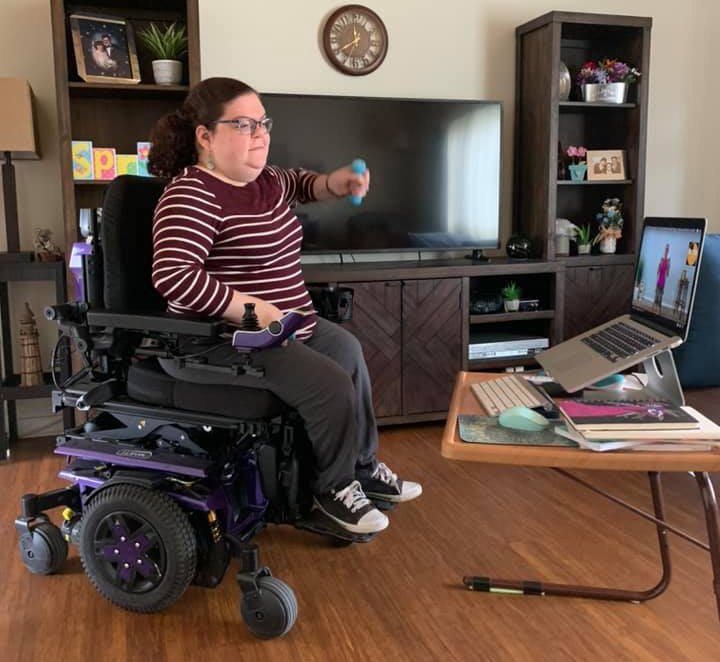
How do you stay fit as a wheelchair user? While most programs and facilities are not created with accessibility in mind, it isn’t impossible to find a workout that’s enjoyable and effective. Four of our brand ambassadors and Q Roll Models talk about how they exercise with a disability and how you can get started.

Jesse Cuellar: Working Out as a Quadriplegic

There are many facets to working out, therefore making everyone think something different when you ask them what working out means to them. For some people, it may mean primarily doing cardio, such as running or dancing. For others, they may think that working out involves going to the gym and using machines. For wheelchair users, finding adaptive equipment at the gym that accommodates their range of mobility can be a challenge. Jesse discusses how he works out at home during the quarantine.  He uses adaptive equipment and his motorized wheelchair with iLevel® also aids him in his exercises. Learn more about working out as a quadriplegic.

Emily Ladau: Working it Out

Sometimes when people give us pushback, it propels us forward into something even better than we could imagine. One common misconception about wheelchair users is that they can’t exercise or that exercising is futile. These kinds of assumptions fuel Emily Ladau to prove naysayers wrong.

Many of us put “exercise more” or “lose weight” on our list of New Year’s resolutions but fall off the wagon after a month or two. Emily is a rare example of someone who is still committed to their resolution after several months. She dishes on how to find different kinds of seated exercises for free and ways to stay motivated when aiming to be consistent in making exercising a part of your routine.

Isabella Bullock: Wheelchair Weight Loss

Working out is only one part of staying fit. When it comes to weight loss that lasts, it’s all about leading a healthy lifestyle. But how does one change their lifestyle when they don’t know where to start? With so many fad diets, workout crazes and products that make promises, it’s difficult to know what really helps. Isabella Bullock aims to empower other wheelchair users to embark on their own weight loss journeys as she models for them what is possible. As she tells her story, she shares tips that help her in her own weight loss journey, as well as how she found the right plan for her based on her interests and personality.

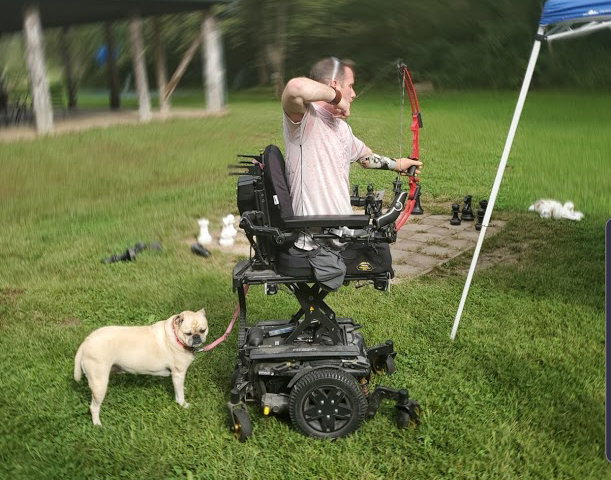
Bryan Anderson: Staying Fit with a Disability

What happens when you have to change up your workout routine? Before becoming a triple amputee, working out for Bryan Anderson meant competing as a gymnast and playing sports. When his injury forced him to make changes, he realized that working out was simpler than we make it. If we can move our bodies, we can work out. Bryan talks about some of the exercises he does that target different parts of the body. Most of all, he says that we shouldn’t care about what other people might say or do if and when you make this decision for yourself. Getting healthy isn’t about others. It’s about you.

If you are interested in developing your own exercise routine, it’s important to consult with your physician or physical therapist before beginning.

iLevel® Empowers Others to Live Confidently

Why do motorized wheelchair users love iLevel® so much? For one thing, it helps electric wheelchair users live independently, but it also empowers them to live confidently. Our Q Roll Models and brand ambassadors share how iLevel empowers them to be confident no matter where they are.

Jesse Cuellar

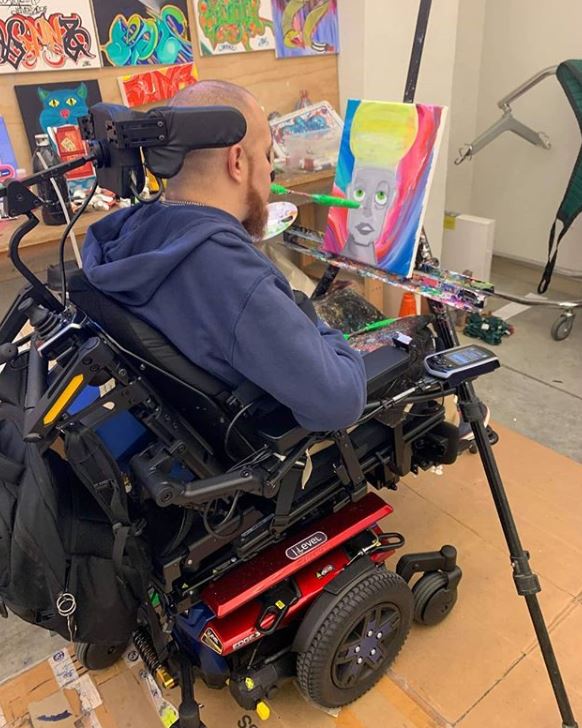
Confidence means something different to everyone. For Jesse, that means being able to do what he loves independently daily. He cites some examples, such as being able to create art, communicate with others at eye level, change the thermostat, and get to where he wants to go with increased visibility. Jesse doesn’t skip a beat in living his life to the fullest. He believes that if you keep creating new experiences, you’ll always have love for life and the passion for the things that you do. Most importantly, he says that being able to do what you love is essentially loving yourself, which is one of the best things you can do.

Merlisha Henderson

Merlisha explains that confidence is gained in many forms through life experiences and how we are viewed by others. Sometimes wheelchair users aren’t taken seriously by able-bodied people for a number of reasons, from their height to the able-bodied individual’s perception of the wheelchair user’s ability to be independent. Not only are there personal barriers and social barriers that come with using a wheelchair, but another major issue is inaccessibility. Countertops, desks, microwaves and cabinets are just some everyday items that are used routinely but present a challenge for wheelchair users. Learn how Merlisha is regaining confidence with her iLevel motorized wheelchair.

Bryson Foster

Empowerment is for wheelchair users of all ages, whether in high school, college or in the working world. For the past five years, Bryson has been announcing Vex Robotics for his high school and continues to do so in college. With iLevel® Power Adjustable Seat Height, Bryson feels confident when announcing, as he can keep a better eye on the action and competition that is taking place.

Not only does it increase his visibility when it comes to being able to see on the field, but it also helps him maintain a presence within the crowd and interact with the parents and teams that participate every week, building relationships with those he meets. Read Bryson’s story.

Emily Ladau

Emily Ladau makes a distinction between having power and being empowered. To Emily, having iLevel is less about being higher up and more about having access to a piece of assistive technology that enables her to make that happen. Empowerment means being able to reach a high shelf in a grocery store or reach the microphone at a podium while giving a presentation. Ultimately, she has the choice to be at whatever height works for her. She now advocates for a world in which a person’s height is not something that influences society’s perception of them, as well as a world in which people have access to the technology they need to be empowered in a way that works best for them.

Celebrating 30 Years of the ADA

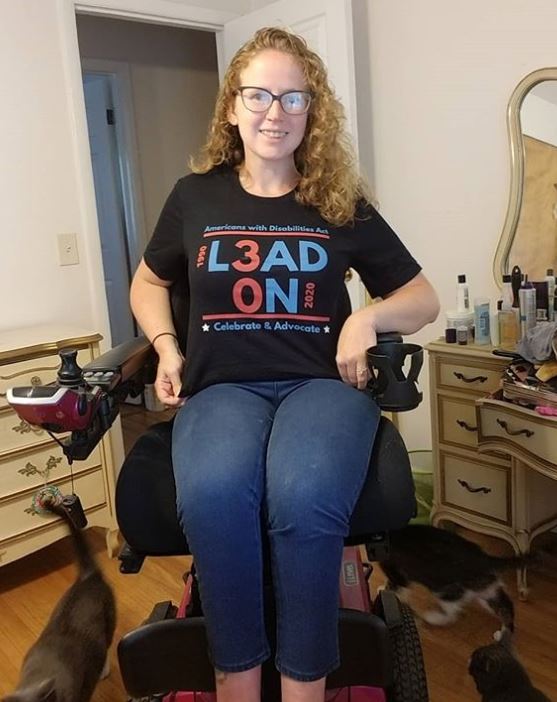
July 2020 marked the 30th anniversary of the Americans with Disabilities Act (ADA). The ADA is a civil rights law that went into effect in 1990 to ensure that disabled individuals have the same rights and opportunities as able-bodied individuals. One way it does so is by prohibiting discrimination against people with disabilities in public areas, such as transportation, schools, workplace and all public and private places that are open to the general public. Our brand ambassadors and Q Roll Models reflect on the ADA and what it means to them.

Bryan Anderson: ADA and Disability Pride

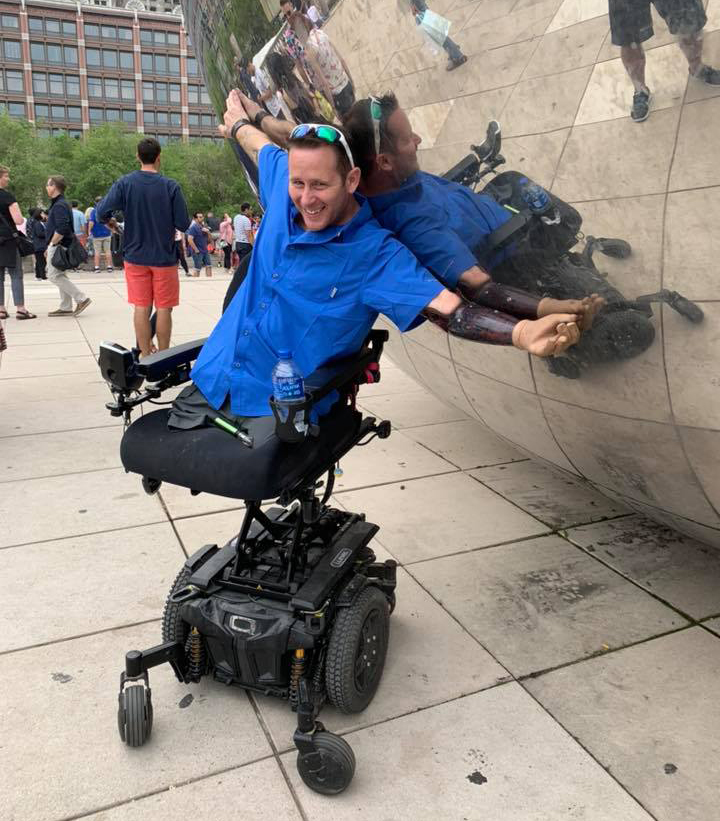
Bryan states that although the ADA has come a long way in making the world more accessible, there’s still a lot more to be done. He starts by discussing accessibility in Chicago, what is accessible and what isn’t. He also talks about historical landmarks that are preserved as they are and cannot be modified. Another topic that the ADA brings to Bryan’s mind is disability pride and his experience cultivating it. He ends his article by giving tips for newly disabled individuals, as well as helpful resources and ways to get involved in the disabled community.

Madonna Long: Her Legacy is a Stronger ADA

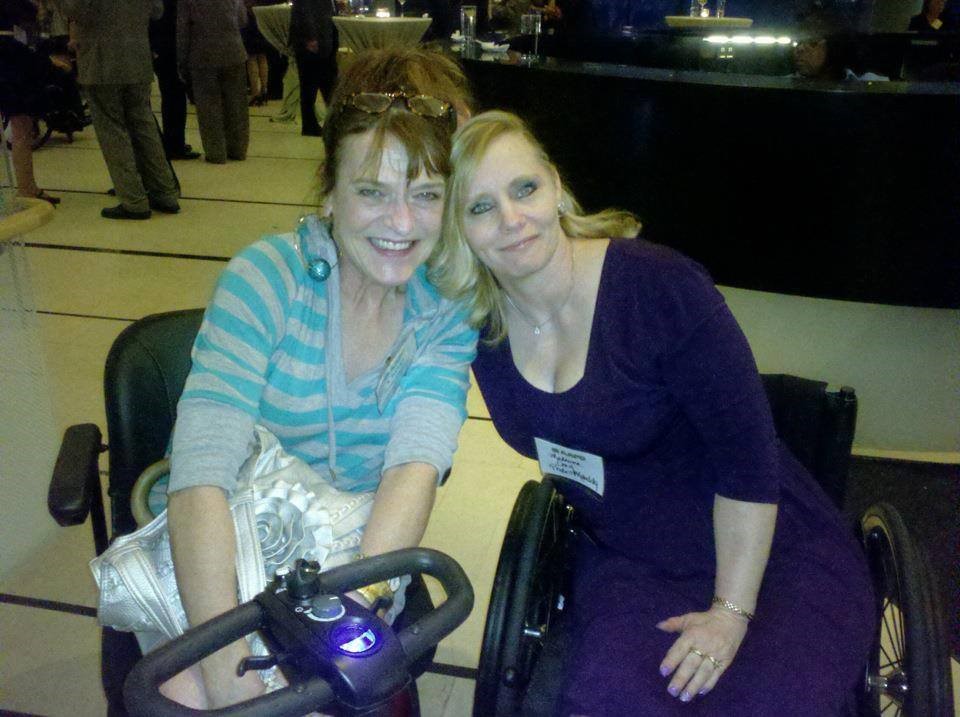
To celebrate the 30th anniversary of the ADA, Madonna Long pays tribute to her late friend, Cheryl Sensenbrenner and the impact she made. She reminisces on Cheryl’s leadership and influence in evoking change for people with disabilities, testifying before Congress on the 20th anniversary of the ADA, talking about helping interns with disabilities gain positions in congressional offices. She was a fighter and trailblazer in forging the path for the ADA Amendments Act in 2007. Her legacy affected thousands of people across the world.

Emily Ladau: Year 30 of the ADA

Emily celebrates and honors the activists who fought to make the ADA a reality and invites others to continue their legacies by continuing to advocate. In her article, she gives three practical steps you can take to play a part in advocating for access, inclusion, and meaningful change during the pandemic. These ideas apply to anyone no matter where they are. In the end, there are many ways to advocate for all kinds of personalities. No matter which form you choose, she says that your perspective can make a difference.

Josh McDermott: 30th Anniversary of the ADA

Josh reflects on his journey to understanding the complexity and implications of the ADA and what he has done to work with the government on crucial legislation. He takes the real-life issues wheelchair users face and applies them to specific bills when he meets with congressmen and senators. Another way he gets involved is helping lawmakers understand a wheelchair user’s perspective in relation to certain laws. So far, he and other individuals have helped Congress and the Senate pass 14 legislature bills for Americans with disabilities. He also agrees that while there has been much change, the fight for change is an ongoing battle.

New Features on Interactive Assist App

New features are now available on the Interactive Assist app! 

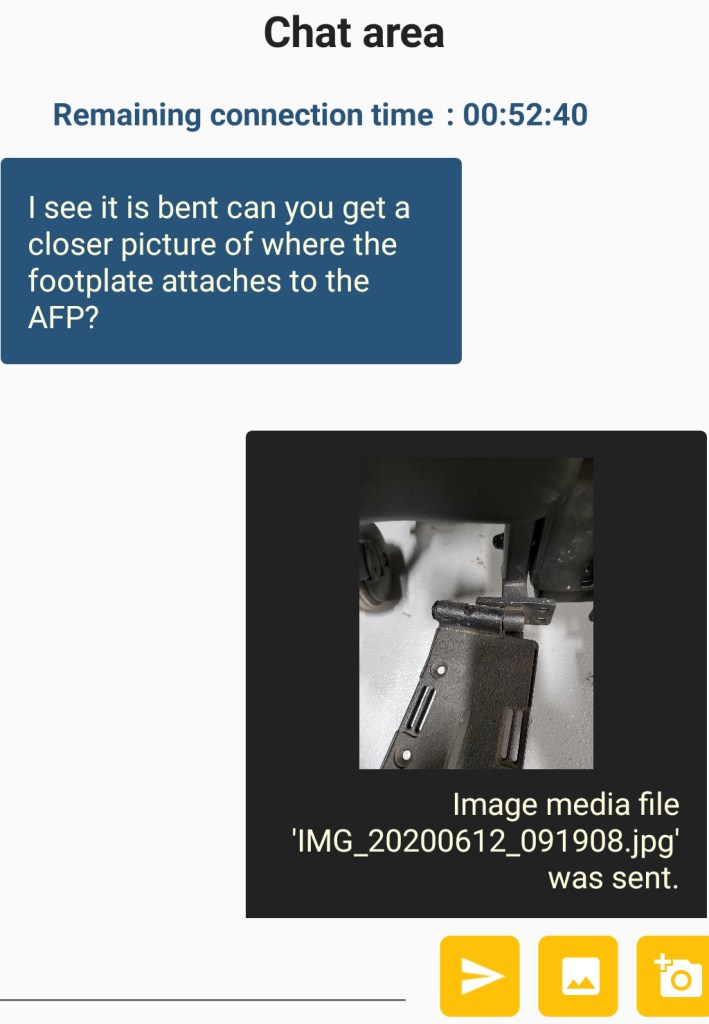
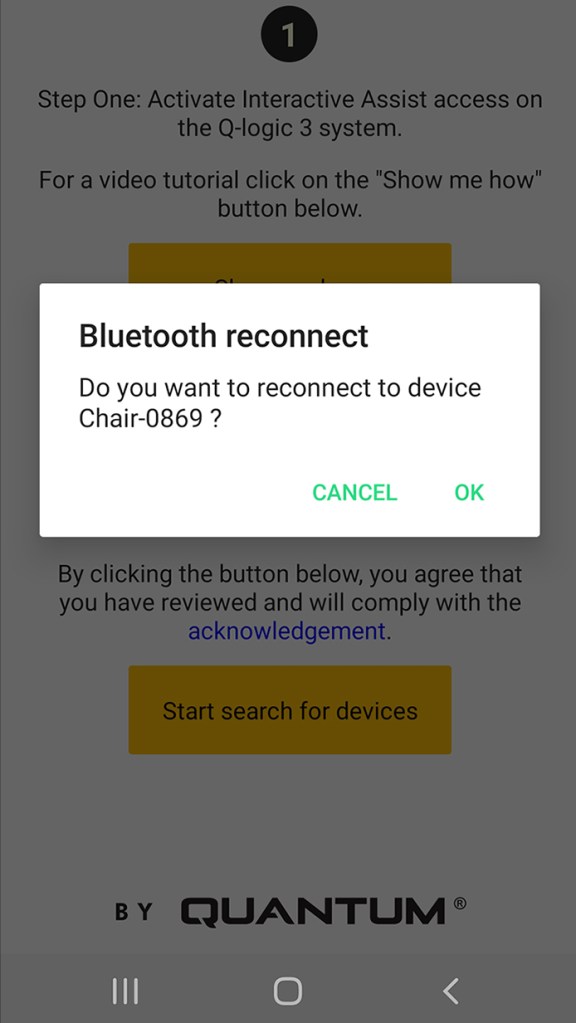
Photos can now be sent to a technician, and from the technician to the consumer, as a visual reference in real time using the chat feature. Also, the all-new Bluetooth® auto connect will automatically pair to the consumer’s chair again if connection is lost. In addition, a system tutorial now links to a video directly on the Quantum website.

To download the updated version of the app, visit the Apple Store or Google Play on your mobile device.

Click here to learn more about Interactive Assist.

Note: New features are only compatible with Android™ OS 8 and higher and Apple® iOS 12 and higher. The current version of the app will continue to work on any OS below those previously mentioned.

Benefits of Using iLevel® in the Workplace

When it comes to iLevel and its benefits, we like to share how it impacts wheelchair users in their daily lives. For our younger wheelchair users, this may mean how iLevel® benefits them at school . For those who are in the working world, they experience similar benefits that make all the difference. Some of our Q Roll Models and brand ambassadors shared how iLevel has helped them in the workplace.

Stephanie Woodward

Stephanie works as a disability rights activist and told us how iLevel has aided in her mission to fight for the rights of disabled individuals and accessibility in communities.

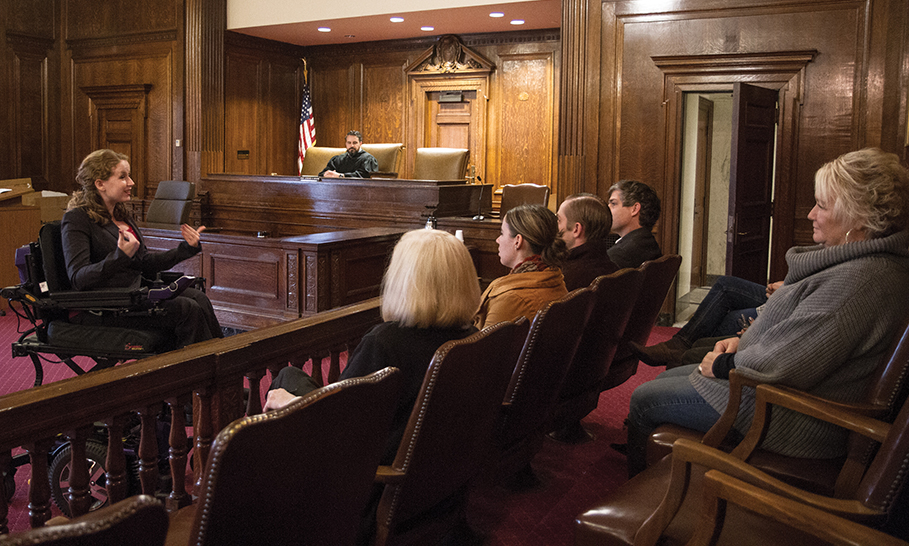
She told us, “I’m disabled and proud because my disability is an integral part of who I am. My disability isn’t a flaw or a deficit – it’s an asset that I am very proud to have. My disability has led me to a successful career as a disability rights attorney. I don’t need to be able to walk to be a lawyer, I just need to be able to get into the courtroom, which I can do in my iLevel Power Chair. Many disabled people are just like me – we don’t want or need to be cured, we just need the right technology and access to allow us to live our lives.”

Merlisha Henderson

Merlisha currently works in the automotive finance industry, engaging and mentoring team members in the finer points of customer service. In her article How I Work with iLevel, she describes her newly accessible work environment and the upgrades that were made to the building where she works. Some upgrades include automated entry doors at the main entrance and department entrances in the building, an elevator with ample space and a wheelchair accessible parking space very close to the front.

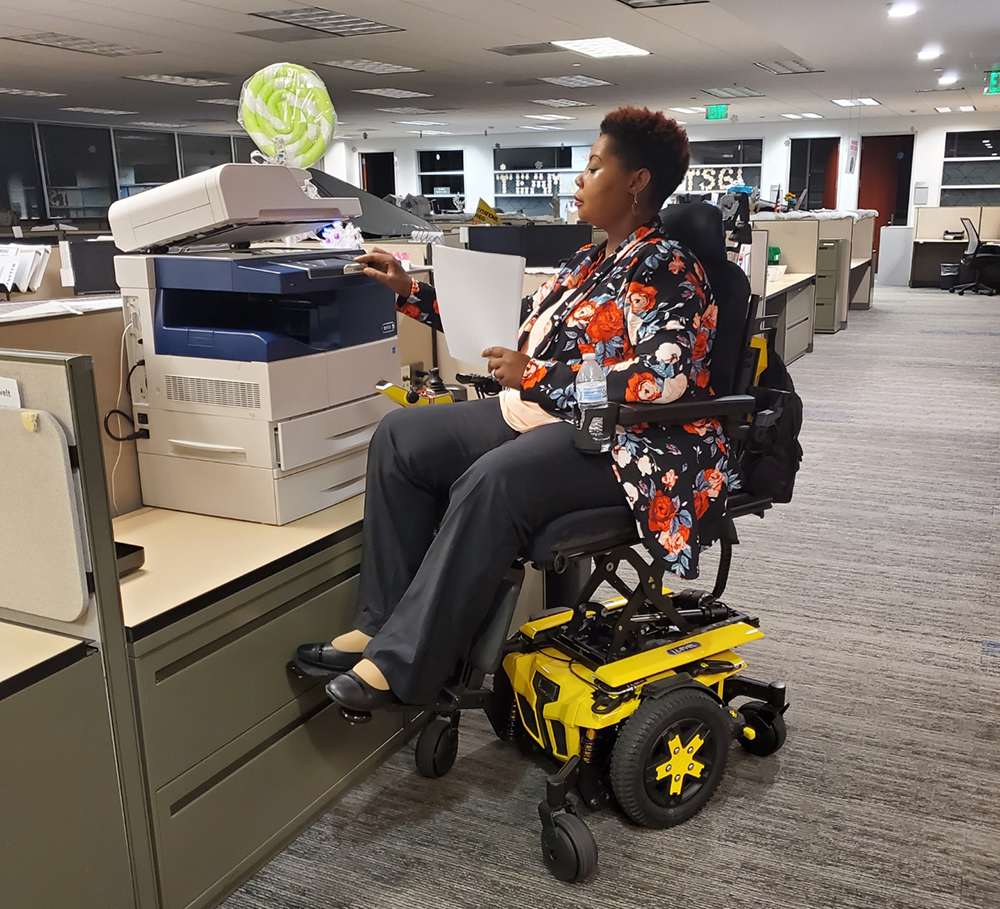
While an accessible building makes navigating her workplace easier, Merlisha also explains how her wheelchair, and iLevel in particular, help her in the day-to-day tasks. From reaching the copier to communicating with coworkers, she can perform many daily duties independently.

Isabella Bullock

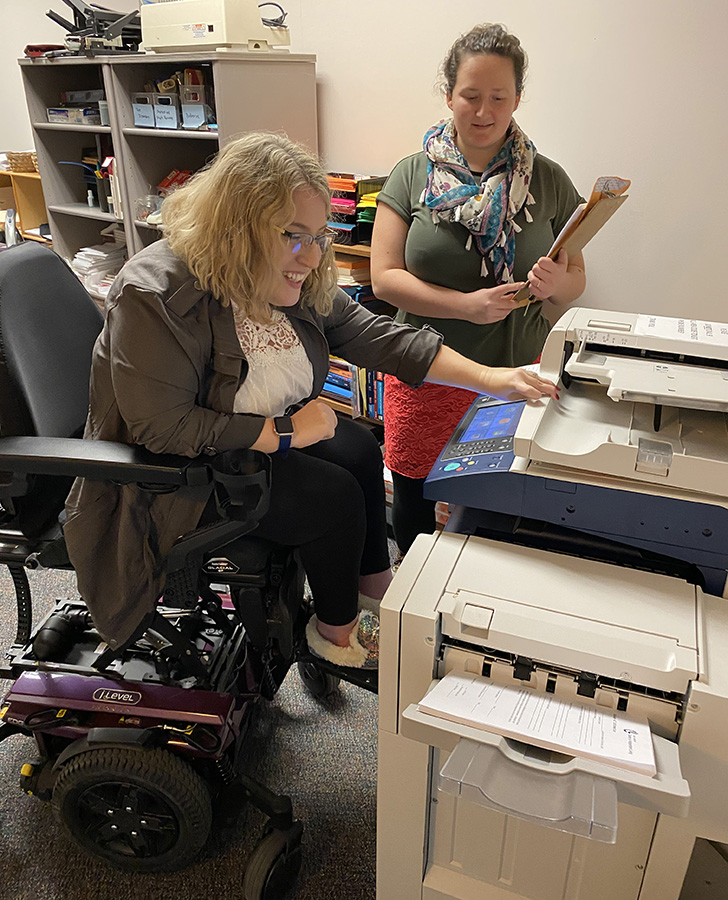
In Isabella’s article iLevel in the Workplace, she talks about the physical and social barriers that height presents. With her iLevel motorized wheelchair, Isabella breaks down those barriers, helping her to be independent and giving her more confidence. She currently works as an employment specialist for the Center of Independent Living, which requires her to communicate with consumers and co-workers daily. She also discusses the impact that a bit of extra height adds to how people view her as a professional. In addition to breaking down social barriers, Isabella is also able to work independently when it comes to using the copier and reaching for objects that are higher up.

How to Prepare for a Hurricane as a Wheelchair User

While COVID-19 continues to be a problem for the United States, there’s another potential problem on the horizon with the incoming 2020 hurricane season. Experts agree that this year’s hurricane season is going to make a huge impact. According to Forbes.com, on average, the U.S. experiences approximately 12 named storms, 6 hurricanes and 3 major hurricanes (which are designated as category 3 or higher). This year, we expect to see at least 20 named storms, 9 hurricanes and 4 major hurricanes.  With these predications, it’s a good idea to form your plan now. What do you do when a hurricane hits? Where do you go? If you have a disability or use a wheelchair, is there someone who can help you evacuate? Read on for some tips on how to prepare yourself in case the worse does happen.

Tips for Wheelchair Users During a Hurricane

One of the best things you can do for yourself is to create an emergency kit. Make sure your kit has all the basics, such as a flashlight, extra batteries, non-perishable food items, bottled water, at least two weeks’ worth of extra medication and other medical supplies you might need, such as extra catheters. If you lose power, determine how you can keep your medical devices charged. If you use a power wheelchair, it’s a good idea to have a lightweight wheelchair or manual wheelchair as a backup, in case you need to evacuate quickly. Be sure to have a list of emergency contact information with phone numbers, including your doctor, the nearest hospital or urgent care center and the number of your authorized Quantum® dealer, in case your wheelchair is damaged or lost.

Accessible Evacuation Routes for Wheelchair Users

If you need to evacuate your home because of flooding or other damage, it’s important to have several accessible ways of exiting your home, especially if you use a power wheelchair. If the elevator is not working in your apartment building, are there accessible ramps available to you? Speak to the manager of your building regarding ways you can exit the building safely.

If the mayor or governor of your state declares that all individuals must evacuate your town or city, it’s important to have transportation that is accessible. Many cities and counties offer wheelchair emergency transportation. It’s important to develop a plan BEFORE a hurricane happens. Contact your local fire department, public transportation or paratransit service regarding your options.

Disaster Planning for Elderly and Disabled Individuals

Once you have your emergency kit ready, create a support network you can rely on during emergency situations, including a hurricane. A support network, sometimes called a self-help team, consists of several individuals who can check on you during an emergency and give you assistance if you need it. A support network can include relatives, friends, a personal care attendant or caregiver. Once you have chosen the individuals for your support network, exchange important information with them, such as where you keep your emergency kit, relevant documents, including copies of evacuation plans and health care information. Rely on each other and stay in contact.

While we hope you never have to use your emergency kit or rely on your support network, it’s important to be prepared in case a hurricane does hit where you live.